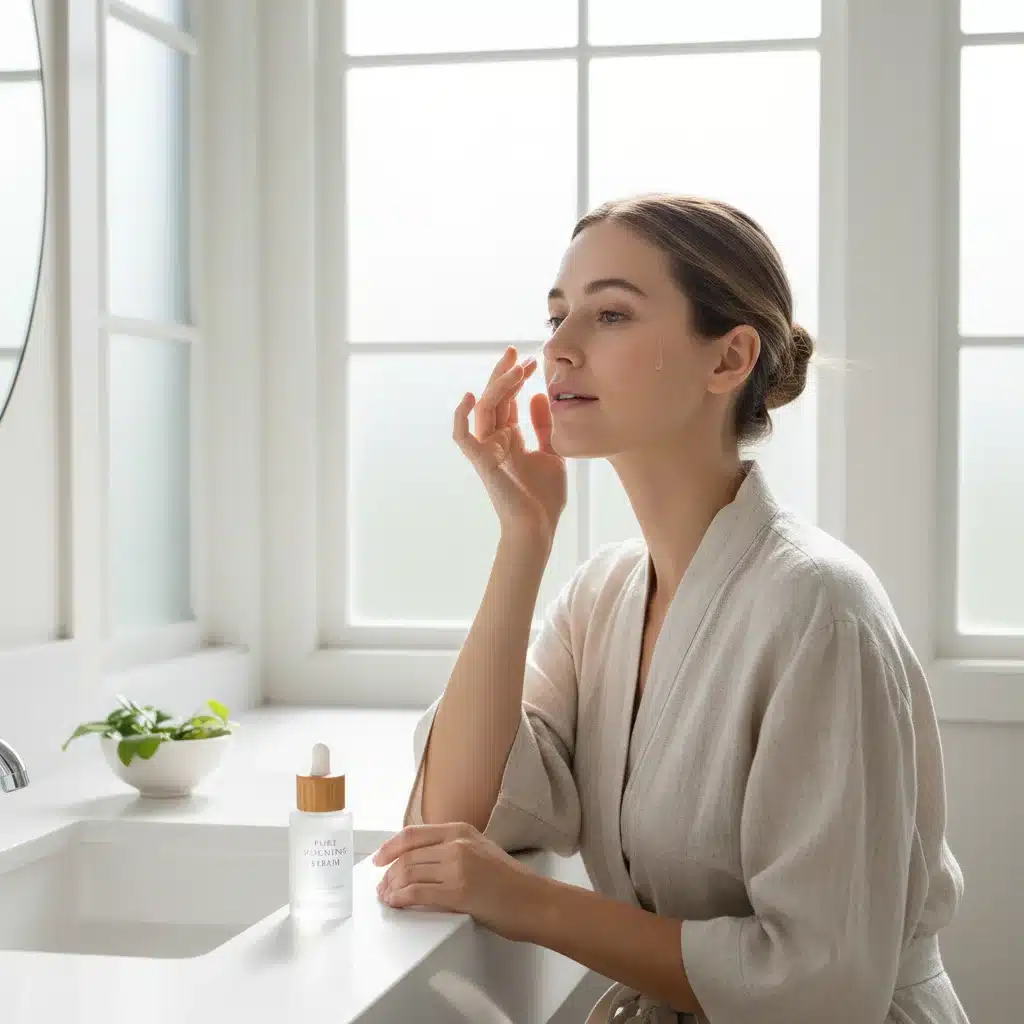
To achieve a flawless complexion, adapting your skincare regimen for a seamless 3-month transition across seasons is crucial for maintaining optimal skin health and radiance throughout 2026.
Welcome to Velvettouche, where we believe your skin deserves the best, no matter the season. Navigating The 2026 Guide to Seasonal Skincare Routines: Adapting Your Regimen for a 3-Month Flawless Transition is more critical than ever. As environmental factors evolve, so too must our approach to skin health, ensuring a radiant complexion all year long.
Understanding the Impact of Seasonal Shifts on Your Skin
Our skin is a dynamic organ, constantly reacting to its environment. The changing seasons bring distinct challenges, from fluctuating humidity levels to varying sun exposure. Recognizing these impacts is the first step toward a proactive skincare strategy.
In 2026, advanced dermatological research continues to emphasize the importance of hydration, barrier protection, and targeted treatments as key pillars of seasonal adaptation. Ignoring these shifts can lead to issues like dryness, oiliness, breakouts, or increased sensitivity, compromising your skin’s natural balance and appearance.
Humidity and Temperature Fluctuations
High humidity in summer often increases sebum production, making skin feel oilier and prone to congestion. Conversely, dry winter air, exacerbated by indoor heating, strips the skin of its natural moisture, leading to dehydration and flakiness. These temperature swings demand a flexible approach to your product selection.
- Summer: Focus on lightweight, gel-based formulations and oil-free hydrators to prevent clogged pores.
- Winter: Opt for richer creams, balms, and occlusive ingredients to lock in moisture and protect the skin barrier.
- Spring/Fall: These transition periods require a gradual shift, often incorporating a mix of both lighter and richer textures as needed.
Sun Exposure and UV Radiation
While sun protection is a year-round necessity, its intensity varies significantly with the seasons. UV radiation is a primary cause of premature aging, hyperpigmentation, and skin cancer. Adapting your sun protection strategy is non-negotiable for skin health.
Even on cloudy days or during colder months, UV rays can penetrate the atmosphere and affect your skin. Broad-spectrum SPF 30 or higher should be a daily staple, but consider increasing the SPF or reapplying more frequently during peak summer months or prolonged outdoor activities.
In conclusion, understanding how seasons affect your skin is fundamental to developing an effective skincare routine. By acknowledging the specific challenges each season presents, you can proactively adjust your regimen to maintain a healthy, resilient, and radiant complexion.
Spring Awakening: Rejuvenating Your Skin for the Warmer Months
As winter’s chill recedes, spring ushers in warmer temperatures and increased humidity, signaling a need for a lighter, more refreshing skincare approach. This is the ideal time to shed the heavy layers and embrace renewal, preparing your skin for the vibrancy of summer.
The goal for spring skincare is rejuvenation and gentle detoxification. Your skin might still be recovering from winter dryness, so a balance of hydration and light exfoliation is key to revealing a fresh, glowing complexion.
Gentle Exfoliation and Brightening
After months of battling dry, flaky skin, spring is perfect for introducing gentle exfoliation. This helps remove dead skin cells, allowing your skin to better absorb treatments and appear more radiant. Chemical exfoliants like AHAs or BHAs, used a few times a week, can be highly effective.
- AHAs (Alpha Hydroxy Acids): Ideal for surface exfoliation, improving skin tone and texture. Look for lactic or glycolic acid.
- BHAs (Beta Hydroxy Acids): Salicylic acid is excellent for oily or acne-prone skin, penetrating deeper into pores to clear congestion.
- Vitamin C Serums: Incorporate a potent vitamin C serum to brighten dull skin, fade hyperpigmentation, and provide antioxidant protection against environmental aggressors.
Gradually lighten your moisturizer from a rich cream to a more fluid lotion or gel. As humidity rises, your skin’s natural moisture barrier might require less external support. However, never compromise on hydration; simply adjust the texture to suit the climate.
Transitioning into spring successfully means embracing lighter textures, gentle exfoliation, and a renewed focus on brightness. This prepares your skin beautifully for the increasing warmth and sunlight, ensuring it looks and feels its best.
Summer Radiance: Protecting and Balancing in the Heat
Summer brings long, sunny days and often higher humidity, which can lead to increased oil production, breakouts, and sun damage. Your summer skincare routine should prioritize protection, oil control, and lightweight hydration to maintain a healthy, radiant glow without feeling heavy or greasy.
The key to summer skincare in 2026 is prevention and balance. Protecting your skin from intense UV radiation and managing excess sebum are paramount for preventing issues like sunburn, hyperpigmentation, and congestion.
Advanced Sun Protection Strategies
Sunscreen is your most crucial summer ally. In 2026, look for advanced broad-spectrum formulas that offer protection against UVA, UVB, and even blue light, often incorporating antioxidants. Reapplication every two hours, or more frequently after swimming or sweating, is vital.
- Mineral vs. Chemical Sunscreens: Mineral sunscreens (zinc oxide, titanium dioxide) are often preferred for sensitive skin, while chemical sunscreens offer a lighter feel. Many 2026 formulations blend both for optimal performance.
- Antioxidant Boost: Pair your sunscreen with an antioxidant serum (like Vitamin C or E) in the morning to enhance protection against free radical damage caused by sun exposure and pollution.
- Protective Clothing: Don’t forget physical barriers like wide-brimmed hats, sunglasses, and UPF-rated clothing for added defense.
During summer, opt for lighter cleansers, such as foaming or gel formulas, to effectively remove excess oil, sweat, and sunscreen without stripping the skin. Follow with a hydrating toner to restore balance and prepare your skin for subsequent treatments. Lightweight, oil-free moisturizers or hydrating serums are perfect for maintaining moisture without contributing to oiliness. Look for ingredients like hyaluronic acid or glycerin.
Mastering summer skincare involves a strong emphasis on sun protection, effective oil management, and lightweight yet sufficient hydration. This approach ensures your skin remains clear, protected, and beautifully radiant throughout the warmest months.
Autumnal Harmony: Repairing and Preparing for Colder Weather
As the vibrant colors of summer fade, autumn emerges, bringing cooler temperatures and decreasing humidity. This transitional period is crucial for repairing any summer damage and fortifying your skin barrier in preparation for the harshness of winter. Your skincare routine should shift towards nourishment and restoration.
Autumn is the season for gentle repair and building resilience. Addressing concerns like sun damage and dehydration from summer is essential, while simultaneously preparing your skin for the drier, colder air ahead. This strategic approach ensures a smooth transition.
Repairing Summer Damage
After increased sun exposure, your skin might show signs of hyperpigmentation, fine lines, or dehydration. Autumn is the perfect time to introduce or reintroduce ingredients that focus on repair and renewal. Retinoids, when used consistently, can significantly improve skin texture, reduce fine lines, and address sun spots.
- Retinoids (Retinol, Tretinoin): Start with a lower concentration and gradually increase usage to allow your skin to adapt. Always use at night.
- Exfoliation: Continue gentle exfoliation with AHAs or BHAs to help shed damaged skin cells and promote an even skin tone.
- Niacinamide: This versatile ingredient helps improve skin barrier function, reduce redness, and minimize the appearance of pores.

As the air becomes drier, switch from lighter lotions to richer creams and balms. Look for ingredients like ceramides, fatty acids, and cholesterol to support and strengthen your skin’s natural barrier. These help prevent moisture loss and protect against environmental stressors. Incorporate hydrating masks once or twice a week for an extra boost of moisture.
Autumn skincare is about proactive repair and preparation. By focusing on restorative ingredients and richer hydration, you can mitigate summer’s impact and build a strong, healthy skin barrier ready to face the challenges of winter.
Winter Resilience: Nurturing and Protecting in the Cold
Winter presents the most significant challenge to skin health due to extremely low humidity, cold winds, and indoor heating. These factors conspire to strip the skin of its natural oils, leading to dryness, irritation, and a compromised skin barrier. Your winter routine must prioritize intense nourishment, hydration, and protection.
The core of winter skincare in 2026 is maintaining moisture and fortifying the skin’s protective barrier. Preventing transepidermal water loss (TEWL) and soothing any irritation are key to keeping your skin comfortable and healthy.
Intensive Hydration and Barrier Support
Switch to cream or oil-based cleansers that don’t strip your skin of its natural oils. Avoid harsh foaming agents. Immediately after cleansing, apply a hydrating toner or essence to damp skin to lock in moisture. Layering is crucial in winter.
- Humectants: Use serums rich in hyaluronic acid, glycerin, or polyglutamic acid to draw moisture into the skin. Apply these to damp skin.
- Occlusives: Follow with a thick, emollient moisturizer that contains ingredients like shea butter, squalane, petrolatum, or ceramides to create a protective seal and prevent moisture evaporation.
- Facial Oils: Incorporate a few drops of a nourishing facial oil as the last step in your evening routine to provide an extra layer of protection and hydration.
Even though the sun’s intensity is lower, UV rays are still present, especially if you’re engaging in winter sports at higher altitudes. Continue to use a broad-spectrum SPF daily. Pay special attention to vulnerable areas like lips and hands, using rich balms and hand creams regularly. A humidifier in your home can also significantly combat the drying effects of indoor heating.
Building winter resilience involves a comprehensive strategy of intensive hydration, barrier support, and consistent protection. By embracing richer textures and a layering approach, you can keep your skin supple, comfortable, and protected throughout the cold season.
The 3-Month Flawless Transition Strategy in 2026
Achieving a truly flawless transition between seasons isn’t about abrupt changes, but rather a gradual, intelligent adaptation over approximately three months. This strategic approach minimizes shock to the skin and allows it to adjust gracefully to new environmental conditions. In 2026, understanding this phased shift is more important than ever, leveraging personalized data and predictive analytics for optimal results.
The 3-month transition ensures that your skincare regimen evolves with the climate, rather than reacting to skin problems after they arise. This proactive method is the hallmark of advanced skincare in the modern era.
Phased Product Introduction and Removal
Instead of completely overhauling your routine overnight, introduce new seasonal products gradually. For example, as spring approaches, begin by swapping out your heavy night cream for a slightly lighter one, while still keeping a richer day cream if needed. Over the next few weeks, you can then introduce a lighter serum or increase your exfoliation frequency.
- Month 1: Introduce one or two new products or adjust the frequency of existing ones. Observe your skin’s reaction closely.
- Month 2: Make further adjustments, perhaps swapping out a cleanser or adding a new active ingredient.
- Month 3: Your routine should be fully adapted to the new season, with only minor tweaks required based on daily skin needs.
Pay close attention to how your skin responds to changes in temperature, humidity, and product formulations. Skin doesn’t always react immediately, so a gradual approach allows you to identify what works best without overwhelming your complexion. Keep a simple skin journal or use a digital skin analysis tool (common in 2026) to track changes and product effectiveness.
The 3-month flawless transition strategy is a sophisticated way to keep your skin in prime condition year-round. By adopting a gradual, observant, and data-driven approach, you can ensure your skin remains balanced, healthy, and radiant through every seasonal shift.
Future-Proofing Your Skincare: 2026 Trends and Innovations
The skincare landscape is continuously evolving, and 2026 brings exciting innovations that can further enhance your seasonal adaptation strategies. From personalized AI-driven routines to advanced ingredient science, staying informed about these trends will empower you to future-proof your skincare regimen and achieve unparalleled results.
The future of skincare is intelligent, personalized, and highly effective. Integrating these emerging technologies and ingredients into your seasonal routine can provide a significant advantage in maintaining optimal skin health.
AI-Driven Personalization and Diagnostics
In 2026, AI-powered diagnostic tools are becoming more accessible, offering hyper-personalized skincare recommendations. These tools analyze factors like your skin’s microbiome, genetic predispositions, and real-time environmental data to suggest precise product formulations and routine adjustments for each season. Expect home devices that can scan your skin and provide instant, actionable insights.
- Smart Devices: Handheld scanners that analyze skin hydration, oil levels, and barrier integrity, then upload data to an app for tailored advice.
- Custom Formulations: Brands offering bespoke serums and moisturizers blended on-demand based on your unique seasonal needs and biometric data.
- Predictive Analytics: AI systems that anticipate seasonal skin challenges based on local weather forecasts and your skin’s historical responses.
New ingredients and delivery systems are constantly emerging, promising enhanced efficacy and stability. Look for adaptogens like reishi mushroom or ashwagandha that help skin cope with environmental stress, and advanced peptides designed for targeted repair. Sustainable and ethically sourced ingredients continue to be a priority, with a focus on biotechnology-derived actives that minimize environmental impact.
Future-proofing your skincare means embracing innovation, personalization, and a holistic understanding of skin health. By leveraging 2026’s trends, you can create a highly adaptive and effective seasonal routine that keeps your complexion flawless and resilient.
| Key Seasonal Focus | Primary Skincare Goals |
|---|---|
| Spring | Rejuvenation, gentle exfoliation, and brightening for renewed skin. |
| Summer | Protection from UV, oil control, and lightweight hydration. |
| Autumn | Repair summer damage, nourish, and strengthen the skin barrier. |
| Winter | Intensive hydration, barrier protection, and soothing irritation. |
Frequently Asked Questions About Seasonal Skincare
Ideally, you should begin adapting your routine about a month before a new season fully arrives. This allows for a gradual, 3-month transition, minimizing stress on your skin. Major changes aren’t always necessary; often, it’s about swapping a few key products or adjusting usage frequency.
While some gentle cleansers can be versatile, it’s often beneficial to adjust. In summer, you might prefer a foaming or gel cleanser for oil control, while in winter, a cream or oil-based cleanser can prevent stripping your skin of essential moisture. Listen to your skin’s needs.
Absolutely. UV rays can penetrate clouds and reflect off snow, causing damage even in winter. Broad-spectrum SPF 30 or higher is a non-negotiable daily step, regardless of the season or weather conditions, to protect against premature aging and skin cancer.
Autumn is ideal for repair and strengthening. Key ingredients include retinoids for cell turnover and sun damage repair, ceramides and fatty acids to fortify the skin barrier, and hyaluronic acid for deep hydration. Antioxidants also remain crucial to combat environmental stressors.
2026 trends emphasize AI-driven personalization, smart diagnostics, and advanced ingredient science. These innovations allow for highly tailored seasonal adjustments, predicting skin needs based on environmental data and individual biometrics, ensuring a more precise and effective adaptation strategy year-round.
Conclusion
Mastering The 2026 Guide to Seasonal Skincare Routines: Adapting Your Regimen for a 3-Month Flawless Transition is not just about changing products; it’s about understanding and responding to your skin’s evolving needs throughout the year. By embracing a proactive, phased approach and staying informed about the latest innovations, you can ensure your complexion remains healthy, resilient, and beautifully radiant in every season. Remember, consistency and careful observation are your best allies in achieving truly flawless skin, making each transition seamless and effective.