FDA Skincare Guidelines 2025: 6 Key Changes for Consumers
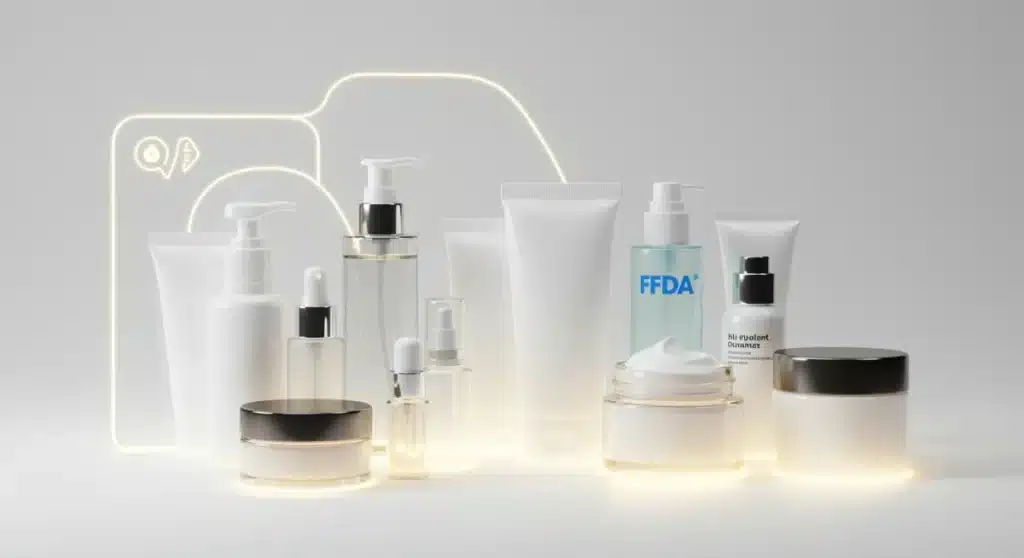
The FDA Skincare Guidelines 2025 outline significant regulatory updates impacting product formulation, labeling, and claims, designed to enhance consumer safety and transparency in the beauty industry.
Navigating the world of skincare can often feel like a complex journey, especially with new products constantly emerging. However, understanding the regulatory landscape is crucial for making informed choices. The latest FDA Skincare Guidelines 2025 are set to redefine how cosmetic products are manufactured, labeled, and marketed in the United States, bringing significant changes that empower consumers and ensure greater product safety. This article will break down six pivotal updates you need to know to confidently choose your skincare.
Enhanced FDA Authority Over Cosmetic Products
For years, the FDA’s oversight of cosmetic products has been notably less stringent compared to pharmaceuticals. This has allowed for a broad range of ingredients and claims to circulate with minimal federal scrutiny. However, the new FDA Skincare Guidelines 2025 mark a substantial shift, granting the agency unprecedented authority to regulate the cosmetic industry more effectively.
This enhanced authority means the FDA can now implement stricter controls over various aspects of cosmetic production and distribution. It’s a move designed to protect consumers from potentially harmful ingredients and misleading marketing tactics. The agency’s expanded role will cover everything from mandatory facility registration to adverse event reporting, creating a more robust regulatory framework.
Mandatory Facility Registration and Product Listings
One of the most significant changes under the new guidelines is the requirement for all cosmetic manufacturers and processors to register their facilities with the FDA. This mandate extends to contract manufacturers and even packagers, ensuring a comprehensive overview of the industry. Furthermore, each cosmetic product marketed in the U.S. must be listed with the FDA, detailing its ingredients and formulation.
- Increased Transparency: Consumers will gain better insight into where and how their products are made.
- Improved Oversight: The FDA will have a clearer picture of the market, facilitating quicker responses to safety concerns.
- Accountability: Companies will be directly accountable to the FDA for their manufacturing practices.
This increased transparency is not just for the FDA; it ultimately benefits the consumer by providing a more reliable and traceable supply chain. Knowing that facilities are registered and products are listed can instill greater confidence in the safety and quality of the skincare items you choose.
The FDA’s new powers aim to close previous regulatory loopholes, ensuring that all players in the cosmetic industry adhere to a higher standard of safety and quality. This foundational change underpins many of the other guideline updates, setting a new precedent for consumer protection in skincare.
Mandatory Adverse Event Reporting
Previously, reporting adverse reactions to cosmetic products was largely voluntary, leading to an incomplete picture of potential safety issues. The FDA Skincare Guidelines 2025 now make adverse event reporting mandatory for manufacturers, distributors, and even retailers. This is a critical step towards proactive consumer protection.
Companies are now legally obligated to report any serious adverse events associated with their products directly to the FDA within a specified timeframe. This includes reactions like severe rashes, allergic responses, hair loss, or other significant health issues. This change shifts the burden of reporting from individual consumers to the industry itself, ensuring that potential problems are identified and addressed much faster.
Streamlined Complaint Processes
With mandatory reporting, the FDA will be able to collect and analyze data on adverse events more systematically. This allows for quicker identification of problematic ingredients or formulations across different products and brands. The goal is to prevent widespread harm by enabling the FDA to issue warnings, request recalls, or take other necessary actions promptly.
- Faster Issue Identification: Trends in adverse reactions can be spotted early.
- Proactive Recalls: Potentially harmful products can be removed from the market more rapidly.
- Enhanced Consumer Safety: A safer market for all skincare users.
Consumers who experience an adverse reaction should still report it to the manufacturer and the FDA. Your individual report, combined with mandatory industry reporting, creates a powerful system for monitoring product safety. This dual approach ensures that even isolated incidents are documented and contribute to a broader understanding of product safety.
This new reporting requirement signifies a major leap forward in consumer safety, empowering the FDA to act decisively based on concrete data. It fosters an environment where companies are incentivized to produce safer products, knowing that any issues will be rigorously tracked and reported.
Stricter Ingredient Scrutiny and Safety Substantiation
The new FDA Skincare Guidelines 2025 place a much stronger emphasis on ingredient safety. Previously, many ingredients were assumed safe until proven otherwise. Now, manufacturers must provide scientific evidence to substantiate the safety of their products and ingredients, especially for those with potential risks.
This means that companies can no longer simply include ingredients without rigorous testing and documentation. The FDA will have the authority to request safety records and conduct its own assessments, ensuring that what goes into your skincare is thoroughly evaluated. This shift is particularly important for newer, novel ingredients that may not have a long history of safe use.
The goal is to move towards a more preventative approach, where potential hazards are identified and mitigated before products reach the market. This protects consumers from exposure to ingredients that could cause long-term health issues or severe allergic reactions.
Fragrance Allergen Disclosure
One specific area of enhanced ingredient scrutiny is fragrance. Fragrances are complex mixtures of chemicals, and some components are known allergens. Under the new guidelines, manufacturers will be required to disclose common fragrance allergens on product labels, giving consumers with sensitivities the information they need to avoid specific triggers.
- Informed Choices: Consumers with allergies can easily identify and avoid problematic products.
- Reduced Reactions: A decrease in allergic contact dermatitis and other fragrance-related issues.
- Increased Transparency: Demystifying the ‘fragrance’ ingredient, which was previously a black box.
This change is a win for individuals with sensitive skin or fragrance allergies, who often struggle to find suitable products. By clearly listing potential allergens, the FDA Skincare Guidelines 2025 empower consumers to make truly personalized and safe skincare choices. It also pushes brands to consider more hypoallergenic formulations or to be more transparent about their ingredient blends.
The overall impact of stricter ingredient scrutiny and safety substantiation is a cleaner, safer, and more trustworthy skincare market. This ensures that every product you apply to your skin has undergone a thorough safety review, giving you peace of mind.
Refined Labeling Requirements and Claims Substantiation
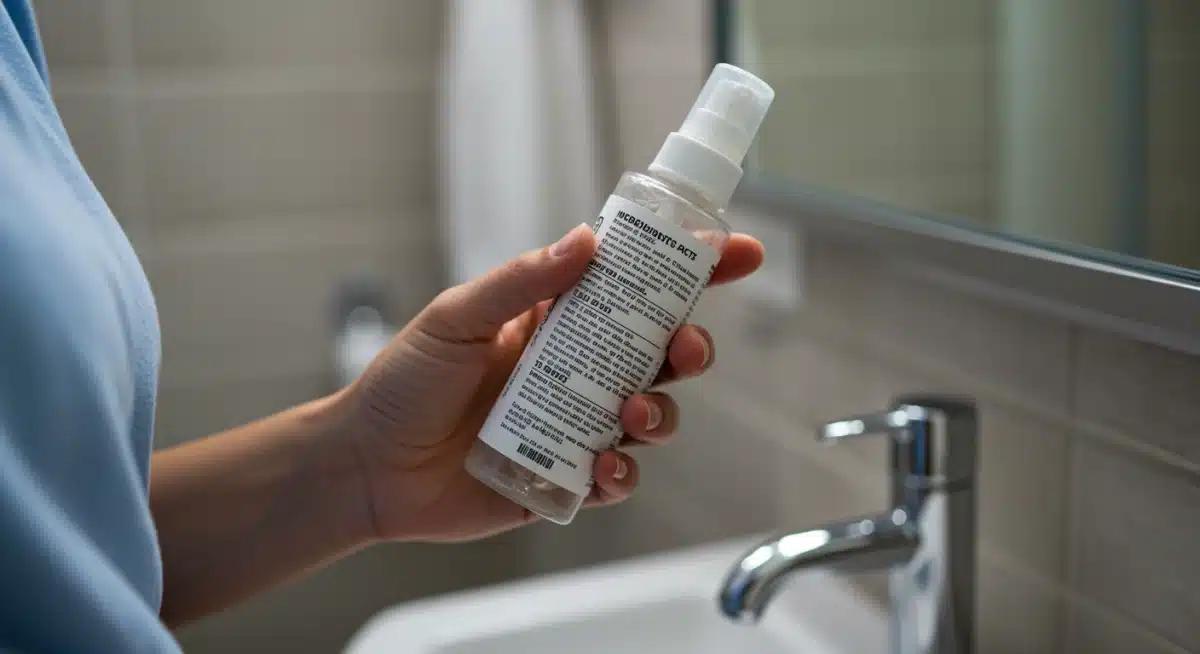
Clear and accurate labeling is paramount for consumer trust and informed decision-making. The FDA Skincare Guidelines 2025 introduce refined labeling requirements that aim to eliminate ambiguity and prevent misleading claims. This means that what you read on a product label must be easily understandable and scientifically verifiable.
Manufacturers will face stricter rules regarding how they describe their products and their benefits. Any claims made on packaging, advertising, or websites must be backed by competent and reliable scientific evidence. This move combats the proliferation of unsubstantiated marketing hype that has often characterized the beauty industry, ensuring that product promises align with reality.
Redefining ‘Natural’ and ‘Clean’ Claims
Terms like ‘natural,’ ‘clean,’ ‘organic,’ and ‘hypoallergenic’ have often been used loosely, causing confusion for consumers. While the FDA has not yet established official definitions for all these terms, the new guidelines indicate a push towards greater clarity. This could involve developing standardized definitions or requiring brands to clearly state what these terms mean in the context of their specific products.
- Reduced Misinformation: Less ambiguity around popular marketing terms.
- Greater Trust: Consumers can have more confidence in label claims.
- Fairer Competition: Levels the playing field for brands genuinely committed to transparency.
For consumers, this means you can expect to see more precise language on labels, helping you distinguish between genuine benefits and marketing fluff. It will be easier to identify products that truly align with your values, whether you’re looking for fragrance-free options or those with specific ingredient profiles. The industry will be held to a higher standard of truth in advertising.
These refined labeling requirements are crucial for empowering consumers to make choices based on facts rather than vague marketing. It’s a step towards a more honest and transparent beauty landscape, where what you see on the label is what you get.
New Rules for Professional-Use Skincare Products
The FDA Skincare Guidelines 2025 also extend their reach to professional-use skincare products, which are typically found in spas, salons, and dermatologists’ offices. Historically, these products, often containing higher concentrations of active ingredients, have operated under a different set of expectations than consumer-grade items. The new regulations aim to bridge this gap, ensuring a consistent level of safety and quality across the board.
This means that products exclusively sold to and used by licensed professionals will now be subject to many of the same stringent requirements as those sold directly to consumers. This includes mandatory facility registration, product listing, and adverse event reporting. The intent is to protect both the professionals applying these treatments and their clients.
The expanded oversight acknowledges that even when applied by trained individuals, potent skincare formulations carry inherent risks that require robust regulatory attention. This ensures that the advanced treatments you receive in a professional setting are backed by the same safety standards as your at-home routine.
Training and Usage Protocols
While the guidelines primarily focus on product safety, there’s an implicit emphasis on proper usage and training for professional-grade products. Brands producing these items may be required to provide more comprehensive documentation regarding their safe application and potential contraindications. This ensures that professionals are adequately informed to use these potent formulations responsibly.
- Enhanced Client Safety: Reduced risks for individuals undergoing professional treatments.
- Professional Accountability: Clearer guidelines for product handling and application.
- Standardized Practices: A more uniform approach to professional skincare safety.
For consumers seeking professional skincare services, these changes offer an added layer of reassurance. Knowing that the products used on your skin in a spa or clinic are subject to federal scrutiny can build greater confidence in the efficacy and safety of your treatments. It encourages a higher standard of care throughout the entire skincare ecosystem.
By bringing professional-use products under closer FDA scrutiny, the new guidelines create a more holistic approach to skincare safety. This ensures that whether you’re at home or in a professional setting, the products interacting with your skin meet rigorous safety benchmarks.
The Impact on ‘Clean Beauty’ and Sustainable Practices
The rise of the ‘clean beauty’ movement has significantly influenced consumer preferences, leading to a demand for products free from certain chemicals and often promoting sustainable practices. The FDA Skincare Guidelines 2025 will indirectly impact this movement by standardizing safety and transparency, which are core tenets of clean beauty, even if the FDA doesn’t officially define ‘clean.’
By requiring better ingredient disclosure, safety substantiation, and clearer labeling, the FDA’s actions will help consumers discern genuinely safer and more transparent products from those simply using marketing buzzwords. This could lead to a more authentic and trustworthy clean beauty market, reducing greenwashing and empowering consumers to make truly informed ethical and environmental choices.
While the FDA’s primary mandate is safety, the increased transparency will naturally align with the values driving many clean beauty enthusiasts. Brands that genuinely prioritize ingredient integrity and ethical sourcing will find it easier to communicate their efforts, as the overall regulatory environment encourages greater honesty.
Encouraging Sustainable Sourcing and Packaging
Although not directly regulated by these specific guidelines, the broader shift towards transparency and accountability could spur further innovation in sustainable practices. As consumers become more educated about ingredients and manufacturing processes, their demand for ethically sourced and environmentally friendly products will likely intensify. This indirect pressure could lead to:
- Ingredient Traceability: Brands may invest more in tracing their supply chains to prove ethical sourcing.
- Eco-friendly Packaging: Increased consumer awareness might drive demand for reduced plastic and recyclable materials.
- Waste Reduction: Manufacturers might adopt more sustainable production methods to align with consumer values.
The FDA Skincare Guidelines 2025 create an environment where brands are incentivized to not only be safe but also to be more transparent about their entire operational footprint. This benefits consumers who prioritize sustainability, allowing them to support brands that genuinely uphold these values. It’s a positive ripple effect from stricter safety regulations.
Ultimately, these guidelines will elevate the standards across the entire skincare industry, pushing both traditional and ‘clean’ beauty brands toward greater responsibility and transparency. This means a more conscientious marketplace for consumers who care about both personal and planetary well-being.
Consumer Empowerment and Future Skincare Choices
The overarching goal of the FDA Skincare Guidelines 2025 is to empower consumers with the knowledge and confidence to make safer and more effective skincare choices. By enhancing regulatory oversight, mandating transparency, and ensuring accountability, the FDA is fundamentally reshaping the relationship between consumers and cosmetic products.
No longer will consumers have to rely solely on marketing claims or anecdotal evidence. Instead, they will have access to more reliable information, backed by scientific substantiation and regulatory enforcement. This shift fosters a more discerning consumer base, demanding higher standards from the brands they choose to support.
This new era of regulation means you can approach your skincare routine with greater peace of mind, knowing that the products you select have undergone more rigorous scrutiny. It encourages a proactive approach to personal care, where understanding ingredients and brand practices becomes an integral part of your beauty regimen.
Tips for Navigating the New Landscape
To fully leverage the benefits of these new guidelines, consumers can adopt several strategies:
- Read Labels Carefully: Pay close attention to ingredient lists, especially for disclosed allergens.
- Research Brands: Look for brands that are transparent about their manufacturing processes and ingredient sourcing.
- Report Adverse Events: If you experience an issue, report it to both the manufacturer and the FDA.
- Stay Informed: Continue to educate yourself on cosmetic regulations and ingredient science.
By actively engaging with this new regulatory environment, you become a more powerful advocate for your own skin health. The FDA Skincare Guidelines 2025 are not just about compliance for manufacturers; they are about providing consumers with the tools to make truly informed decisions.
The future of skincare is brighter and safer, with an emphasis on transparency, accountability, and substantiated claims. This empowers every consumer to curate a skincare routine that is not only effective but also genuinely safe and trustworthy, aligning with their personal health and ethical values.
| Key Change | Consumer Impact |
|---|---|
| Enhanced FDA Authority | Greater oversight on manufacturing and product safety. |
| Mandatory Adverse Event Reporting | Faster identification and removal of problematic products. |
| Stricter Ingredient Scrutiny | Ensures ingredients are scientifically proven safe, including fragrance allergen disclosure. |
| Refined Labeling Requirements | Clearer, scientifically-backed product claims and less misleading marketing. |
Frequently Asked Questions About FDA Skincare Guidelines 2025
The main goal is to significantly enhance consumer safety and transparency within the cosmetic industry. This is achieved by granting the FDA greater authority to regulate products, mandate reporting, and ensure ingredient safety, ultimately empowering consumers to make more informed and confident skincare choices.
Mandatory reporting means that manufacturers must report serious reactions, leading to faster identification of problematic products or ingredients. This allows the FDA to act quickly, issuing warnings or recalls, which helps prevent widespread harm and ensures a safer market for all skincare users.
While the FDA has not yet provided official definitions for terms like ‘clean’ or ‘natural,’ the new guidelines push for greater clarity and substantiation of claims. This will indirectly benefit the clean beauty movement by reducing misleading marketing and highlighting brands that genuinely prioritize transparent and safe ingredients.
You can expect more precise and scientifically-backed claims, reducing ambiguity. Additionally, specific fragrance allergens will likely be disclosed, providing crucial information for individuals with sensitivities. This helps consumers understand exactly what they are purchasing and applying to their skin.
Yes, the new FDA Skincare Guidelines 2025 extend their reach to professional-use skincare products. This ensures that items with higher concentrations of active ingredients, used by licensed professionals, are also subject to rigorous safety and quality standards, protecting both practitioners and clients.
Conclusion
The FDA Skincare Guidelines 2025 represent a monumental shift in the regulation of cosmetic products in the United States. By granting the FDA enhanced authority, mandating adverse event reporting, and tightening controls over ingredient safety and labeling, these changes are poised to create a safer, more transparent, and ultimately more trustworthy skincare market. For consumers, this translates into greater peace of mind and the power to make truly informed decisions about the products they incorporate into their daily routines. Staying informed and actively scrutinizing product claims will be key to navigating this new landscape and ensuring your skincare choices align with the highest standards of safety and efficacy.