Beyond Fast Fashion: 3 Sustainable Style Approaches for 2025
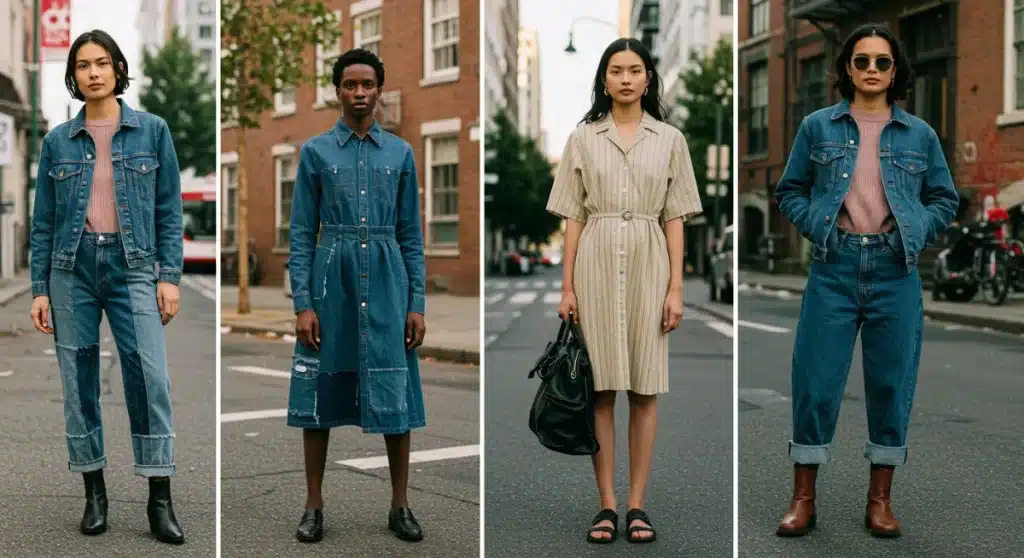
Three primary sustainable style approaches for 2025 — circular fashion, ethical production, and mindful consumption — offer distinct yet complementary pathways for consumers and brands to move beyond the detrimental impacts of fast fashion.
The fashion industry stands at a critical juncture. As awareness of its environmental and social footprint grows, consumers are increasingly seeking alternatives to disposable trends. This article delves into Beyond Fast Fashion: Comparing 3 Sustainable Style Approaches for 2025, offering a comprehensive analysis of the most impactful strategies for building a more conscious wardrobe.
Understanding the Fast Fashion Predicament
Fast fashion has revolutionized the way we consume clothing, making trendy items accessible and affordable. However, this model comes at a steep price, impacting both the environment and human rights. Understanding these consequences is the first step toward embracing more sustainable practices.
The relentless cycle of fast fashion encourages overconsumption and waste. Garments are produced quickly, cheaply, and often with little regard for their environmental impact or the well-being of garment workers. This has led to mounting issues that demand urgent attention from both consumers and industry leaders.
Environmental Toll of Rapid Production
The environmental damage caused by fast fashion is extensive. From water pollution due to dyeing processes to massive landfill waste from discarded clothing, the industry’s footprint is undeniable. Synthetic fibers, frequently used in fast fashion, contribute to microplastic pollution in our oceans, affecting marine life and ultimately human health.
- Water Consumption: Producing cotton, a common fashion fiber, is incredibly water-intensive.
- Chemical Pollution: Dyes and finishing treatments release toxic chemicals into waterways.
- Textile Waste: Millions of tons of clothing end up in landfills annually.
- Carbon Emissions: Manufacturing and transportation contribute significantly to greenhouse gases.
Social and Ethical Concerns
Beyond environmental degradation, fast fashion often relies on exploitative labor practices. Workers in developing countries, predominantly women, are frequently subjected to low wages, unsafe working conditions, and excessive hours. This pursuit of cheap labor prioritizes profit over human dignity, raising serious ethical questions about the true cost of our clothing.
These social injustices are deeply embedded in the fast fashion supply chain. Consumers, often unaware of these conditions, inadvertently support systems that perpetuate poverty and inequality. Advocating for transparency and fair labor practices is crucial for systemic change.
The challenges presented by fast fashion are complex and multifaceted, requiring a shift in mindset and approach from all stakeholders. Recognizing the profound impact of our clothing choices is essential for fostering a more responsible and equitable fashion ecosystem.
Circular Fashion: Redefining the Product Lifecycle
Circular fashion represents a paradigm shift from the traditional linear ‘take-make-dispose’ model. It focuses on keeping resources in use for as long as possible, extracting maximum value from them while in use, and then recovering and regenerating products and materials at the end of their service life. This approach aims to eliminate waste and pollution by design.
In 2025, circular fashion is gaining significant traction, with innovations ranging from advanced recycling technologies to sophisticated rental and resale platforms. The goal is to create a closed-loop system where garments are designed for durability, repairability, and eventual reintegration into new products.
Design for Longevity and Recyclability
At the heart of circular fashion is intentional design. This means creating clothing that lasts longer, can be easily repaired, and is made from materials that can be recycled without significant loss of quality. Designers are increasingly exploring mono-materials (fabrics made from a single type of fiber) to simplify the recycling process.
- Durability: Using high-quality materials and construction techniques to extend garment life.
- Repairability: Designing clothes that are easy to mend, with accessible spare parts or repair services.
- Material Choice: Prioritizing organic, recycled, or innovative biodegradable materials.
- Disassembly: Products designed to be easily taken apart for material recovery.
The Rise of Rental, Resale, and Repair Models
Beyond design, circular fashion thrives on innovative business models that promote extended product use. Clothing rental services allow consumers to wear high-quality items for specific occasions without the need for ownership. Resale platforms give pre-owned garments a second life, while repair services help maintain and prolong the usability of existing wardrobes.
These models not only reduce waste but also make fashion more accessible and affordable. They challenge the notion that newness is always superior, fostering an appreciation for quality and craftsmanship. Embracing these services is a practical way for individuals to participate in the circular economy.
Circular fashion offers a holistic solution to many of the industry’s problems, focusing on systemic change rather than just individual actions. By rethinking how clothes are made, used, and disposed of, it paves the way for a truly sustainable future in fashion.
Ethical Production: Prioritizing People and Transparency
Ethical production in fashion goes beyond environmental concerns, placing a strong emphasis on the social well-being of everyone involved in the supply chain. This approach prioritizes fair wages, safe working conditions, and respect for human rights, ensuring that the creation of beautiful clothing does not come at the expense of human dignity.
For 2025, consumers are increasingly demanding transparency from brands, wanting to know not just where their clothes come from, but how they were made and under what conditions. Ethical production is about building trust and accountability throughout the entire manufacturing process.
Fair Wages and Safe Working Conditions
A cornerstone of ethical production is ensuring that garment workers receive fair wages that allow them to live with dignity and support their families. This also includes providing safe and healthy working environments, free from hazardous conditions, harassment, and discrimination. Brands committed to ethical production often conduct regular audits and partner with third-party organizations to verify compliance.
These practices are not merely about compliance but about fostering a culture of respect and empowerment. When workers are treated fairly, it not only improves their lives but also often leads to higher quality products and greater loyalty within the workforce. This creates a more stable and sustainable production environment.
Supply Chain Transparency and Certifications
Transparency is key to ethical production. Brands are expected to disclose information about their suppliers, factories, and the processes involved in making their garments. This allows consumers to make informed choices and hold companies accountable for their practices. Certifications play a vital role in verifying ethical claims.
- Fair Trade Certified: Ensures fair wages, safe conditions, and community development.
- GOTS (Global Organic Textile Standard): Covers environmental and social criteria for organic textiles.
- SA8000: A global standard for social accountability in workplaces.
- WRAP (Worldwide Responsible Accredited Production): Promotes ethical manufacturing through certification.
The move towards ethical production is a powerful force for positive change in the fashion industry. By prioritizing people and fostering greater transparency, brands can build stronger relationships with both their workers and their customers, contributing to a more just and sustainable global economy.
Mindful Consumption: The Power of Personal Choice
Mindful consumption shifts the focus from industry practices to individual behavior. It encourages consumers to make deliberate, informed choices about what they buy, how often they buy it, and how they care for their clothes. This approach recognizes the significant impact that personal habits have on the broader fashion ecosystem.
In 2025, mindful consumption is about slowing down, appreciating what we already own, and investing in pieces that truly resonate with our values and style. It’s a rejection of impulsive buying and a embrace of a more considered, purposeful approach to fashion.
Building a Capsule Wardrobe
One of the most effective strategies for mindful consumption is building a capsule wardrobe. This involves curating a collection of versatile, high-quality pieces that can be mixed and matched to create numerous outfits. A capsule wardrobe reduces the need for excessive purchases and encourages a deeper understanding of personal style.
By focusing on foundational pieces and timeless designs, individuals can minimize clutter, reduce decision fatigue, and significantly cut down on textile waste. This approach promotes intentionality and creativity, allowing personal style to shine through a carefully selected collection of garments.
Care, Repair, and Upcycling
Mindful consumption extends beyond the point of purchase to how we treat our clothes. Proper care, regular repair, and creative upcycling are crucial for extending the lifespan of garments and reducing their environmental impact. Learning basic mending skills or utilizing local repair services can transform a worn item into a cherished piece.
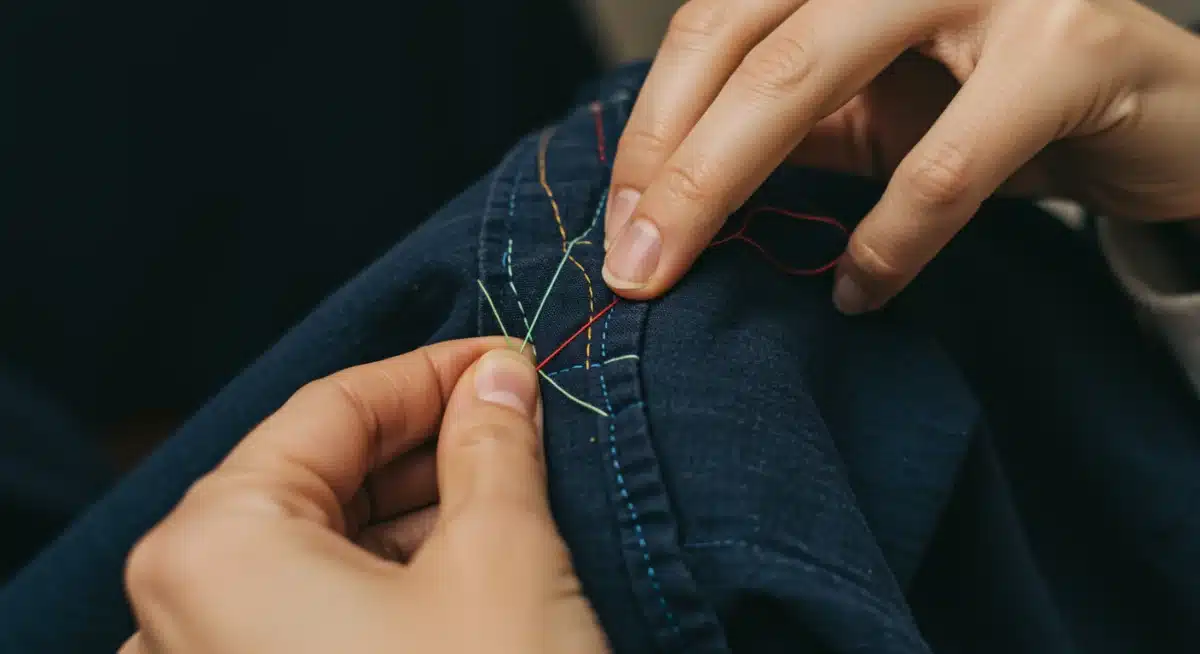
Upcycling offers an exciting opportunity to transform old or unwanted clothing into something new and unique, adding a personal touch while diverting textiles from landfills. These practices foster a deeper connection to our clothes and promote resourcefulness.
- Proper Washing: Following care labels to prevent damage and extend life.
- Mending Skills: Learning to sew on buttons, patch holes, and fix seams.
- Professional Repairs: Utilizing tailors or specialized repair services for complex issues.
- Creative Upcycling: Repurposing old clothes into new items or accessories.
Ultimately, mindful consumption empowers individuals to become active participants in the sustainable fashion movement. By making conscious choices, caring for what we own, and embracing creativity, we can collectively drive demand for more ethical and environmentally friendly practices.
Comparing the Three Approaches: Synergies and Distinctions
While circular fashion, ethical production, and mindful consumption each offer distinct pathways to sustainability, they are not mutually exclusive. In fact, their greatest strength lies in their synergy. Understanding how these approaches complement and differ is crucial for a holistic transition beyond fast fashion.
Each strategy tackles different aspects of the fashion supply chain and consumer behavior, collectively forming a robust framework for a more sustainable future. By integrating elements from all three, we can achieve profound and lasting change.
Interconnectedness for Holistic Impact
Circular fashion focuses on the product lifecycle, ethical production on the human element, and mindful consumption on individual choices. When combined, they create a powerful ecosystem. For instance, a brand committed to ethical production might also design for circularity, using organic materials and offering repair services. Consumers practicing mindful consumption would then seek out such brands and extend the life of their purchases.This interconnectedness ensures that efforts are not siloed but rather reinforce one another, leading to a more comprehensive and impactful shift. A truly sustainable fashion industry requires engagement from designers, manufacturers, brands, and consumers alike.
Key Differences in Focus
Despite their synergies, it’s important to acknowledge their primary distinctions. Circular fashion is largely a systemic, design-led approach, focusing on waste reduction and resource optimization at the industry level. Ethical production centers on social justice and human rights within manufacturing processes.
Mindful consumption, conversely, is consumer-driven, emphasizing personal responsibility and conscious purchasing habits. While all three contribute to a more sustainable future, their entry points and primary levers for change differ significantly. Recognizing these distinctions helps in tailoring strategies for specific challenges.
The comparison of these three approaches reveals that no single solution is sufficient on its own. A multifaceted strategy that integrates circular design principles, stringent ethical production standards, and informed mindful consumption behaviors is essential for truly moving beyond fast fashion and building a resilient, responsible fashion industry by 2025 and beyond.
Challenges and Future Outlook for Sustainable Fashion
Despite the growing momentum, the transition to a fully sustainable fashion industry faces considerable challenges. These include technological hurdles, economic pressures, and the need for significant behavioral change across the entire value chain. Addressing these obstacles is crucial for the widespread adoption of sustainable practices.
However, the future outlook remains optimistic, driven by innovation, increasing consumer demand, and evolving regulatory landscapes. The industry is on a clear trajectory towards greater responsibility and environmental stewardship.
Overcoming Obstacles to Adoption
One major challenge is the scalability of sustainable solutions. While innovations in recycling and material science are promising, bringing them to a mass-market level often requires substantial investment and infrastructure development. Additionally, the perceived higher cost of sustainable products can be a barrier for some consumers, though this is gradually changing as efficiencies improve.
Another hurdle is consumer education. Many individuals are still unaware of the full impact of their fashion choices or the sustainable alternatives available. Bridging this knowledge gap through transparent communication and accessible information is vital for driving broader adoption.
- Infrastructure Gaps: Lack of widespread recycling and repair facilities.
- Cost Barriers: Sustainable materials and ethical labor can increase production costs.
- Greenwashing: Misleading claims by brands can erode consumer trust.
- Behavioral Inertia: Difficulty in changing deeply ingrained consumption habits.
Innovations and Policy Driving Change
Looking ahead, technological advancements are set to play a pivotal role. Innovations in biotechnology are leading to new, sustainable materials like lab-grown leather and fabrics made from agricultural waste. Artificial intelligence and blockchain are enhancing supply chain transparency and traceability, making it easier to verify ethical claims.
Government policies and regulations are also emerging as key drivers. Extended Producer Responsibility (EPR) schemes, which hold brands accountable for the entire lifecycle of their products, are gaining traction. These policy shifts, combined with continued innovation and growing consumer awareness, paint a promising picture for the future of sustainable fashion.
The journey towards a sustainable fashion industry is ongoing and complex, but the collective efforts of innovators, policymakers, brands, and consumers are steadily paving the way for a more responsible and resilient future. The challenges are significant, but so is the potential for positive impact.
| Approach | Core Principle |
|---|---|
| Circular Fashion | Eliminate waste, keep resources in use, regenerate systems. |
| Ethical Production | Fair wages, safe conditions, human rights, transparency. |
| Mindful Consumption | Conscious purchasing, extended use, care, and repair. |
| Combined Impact | Holistic shift towards a responsible and resilient fashion industry. |
Frequently Asked Questions About Sustainable Style
Fast fashion prioritizes rapid production, low costs, and trend cycles, often leading to environmental damage and unethical labor. Sustainable fashion focuses on minimizing environmental impact, ensuring ethical production, and promoting longevity and responsible consumption throughout a garment’s lifecycle.
Begin by assessing your current wardrobe, investing in high-quality, versatile pieces, and exploring second-hand options. Prioritize brands with transparent ethical and environmental practices. Learn to care for and repair your clothes to extend their lifespan, reducing the need for new purchases.
While initial costs for sustainably produced items can be higher due to ethical labor and quality materials, they often offer better durability and longevity. Over time, these items can be more cost-effective as they require less frequent replacement, reducing overall spending and environmental impact.
Technology is crucial for advancing sustainable fashion through innovations like new eco-friendly materials, improved recycling processes, and enhanced supply chain transparency via blockchain. It helps track products, verify ethical claims, and develop more efficient and less wasteful production methods.
Rental and resale platforms extend the active life of garments, reducing the demand for new production and minimizing textile waste. They allow consumers to access diverse styles without ownership, keeping clothing in circulation longer and maximizing the value of each piece within the circular economy model.
Conclusion
The journey Beyond Fast Fashion: Comparing 3 Sustainable Style Approaches for 2025 reveals a dynamic and evolving landscape where industry and individual actions converge. Circular fashion, ethical production, and mindful consumption, while distinct in their primary focus, are intrinsically linked. Their combined implementation offers the most robust pathway toward a fashion industry that respects both the planet and its people. As consumers, our choices hold immense power, driving demand for transparency, innovation, and responsibility. Embracing these sustainable style approaches is not just a trend; it’s a critical commitment to a more equitable and environmentally sound future for fashion.