Winter 2025 Skincare: 5 Steps to Combat Dryness

Adapting your skincare for winter 2025 is crucial to combat dryness, requiring a strategic 5-step approach focused on intense hydration, barrier repair, and environmental protection to maintain skin health and radiance.
As the chill of winter 2025 approaches, many of us brace ourselves for more than just colder temperatures; we anticipate the inevitable battle against dry, flaky, and irritated skin. This is where time-sensitive skincare: adapting your routine for winter 2025 to combat dryness – a 5-step guide becomes not just beneficial, but essential. Our skin, a remarkable organ, responds directly to environmental shifts, and winter’s harsh winds, low humidity, and indoor heating can strip away its natural moisture, leaving it vulnerable. But fear not, for with the right adjustments and a proactive approach, you can maintain a resilient, glowing complexion throughout the season. Let’s delve into how to transform your skincare regimen to thrive in the colder months.
Understanding Winter’s Impact on Your Skin
Winter brings a unique set of challenges for skin health. The drop in outdoor temperatures combined with the dry, heated air indoors creates a perfect storm for moisture loss. This environmental assault can compromise the skin’s natural barrier, leading to increased sensitivity, redness, and that uncomfortable tight feeling. Recognizing these specific stressors is the first step in building an effective defense for your complexion.
Our skin’s outermost layer, the stratum corneum, acts as a protective shield, sealing in moisture and keeping irritants out. In winter, this barrier can become weakened, making it harder for the skin to retain water. This leads to a cascade of issues, from minor flaking to more severe conditions like eczema flare-ups. Understanding this mechanism helps us choose products and practices that specifically address barrier integrity.
The Science Behind Winter Dryness
- Decreased Humidity: Both outdoor and indoor air lose moisture, pulling hydration directly from your skin.
- Harsh Winds: Cold, windy conditions accelerate transepidermal water loss (TEWL), leaving skin parched.
- Hot Showers: While comforting, prolonged exposure to hot water strips natural oils, further compromising the skin barrier.
- Reduced Sebaceous Gland Activity: Some individuals experience a natural decrease in oil production during colder months.
Beyond these external factors, individual skin types react differently. Those with naturally dry or sensitive skin may find winter particularly challenging, while even oily skin types can experience dehydration. The key is to listen to your skin’s signals and adjust your routine accordingly. Ignoring these signs can lead to chronic dryness, inflammation, and a dull complexion that persists well beyond the winter months. Therefore, a proactive and adaptive approach is paramount to maintaining healthy skin.
Step 1: Gentle Cleansing and Exfoliation
The foundation of any effective skincare routine, especially in winter, begins with cleansing. However, the approach to cleansing needs a significant shift from warmer months. Harsh cleansers can strip the skin of its essential oils, exacerbating dryness and compromising the delicate skin barrier. Opting for gentle, hydrating formulas is crucial to preserve the skin’s natural moisture balance.
Exfoliation also plays a vital role, but it must be approached with caution during winter. While removing dead skin cells is important for product absorption and cellular renewal, over-exfoliation can disrupt the skin barrier, leading to irritation and increased sensitivity. The goal is to gently slough off dull, dry skin without causing further stress.
Choosing Your Cleanser Wisely
- Cream or Oil-Based Cleansers: These formulations are designed to cleanse without stripping, often leaving a thin, protective layer of moisture.
- Avoid Foaming Cleansers: Many foaming agents can be too harsh for winter skin, leading to a tight, uncomfortable feeling.
- Lukewarm Water: Always wash your face with lukewarm, not hot, water to prevent further dehydration.
When it comes to exfoliation, consider reducing the frequency from your summer routine. Instead of daily or every-other-day exfoliation, aim for once or twice a week. Chemical exfoliants, particularly those with AHAs like lactic acid, can be more gentle and hydrating than physical scrubs, which can be too abrasive for compromised winter skin. Always follow exfoliation with a rich moisturizer to replenish hydration and support barrier recovery. The right combination of gentle cleansing and judicious exfoliation prepares your skin to better absorb the nourishing treatments that follow, setting the stage for a healthy winter complexion.
Step 2: Hydration Hero – Serums and Essences
Once your skin is clean and gently exfoliated, the next critical step in your winter 2025 skincare routine is to flood it with hydration. This is where serums and essences become your ultimate allies. These concentrated formulas are designed to deliver potent active ingredients deep into the skin, addressing specific concerns like dehydration, barrier repair, and overall skin resilience. Unlike moisturizers, which primarily create a protective layer on the skin’s surface, serums penetrate more deeply to replenish moisture from within.
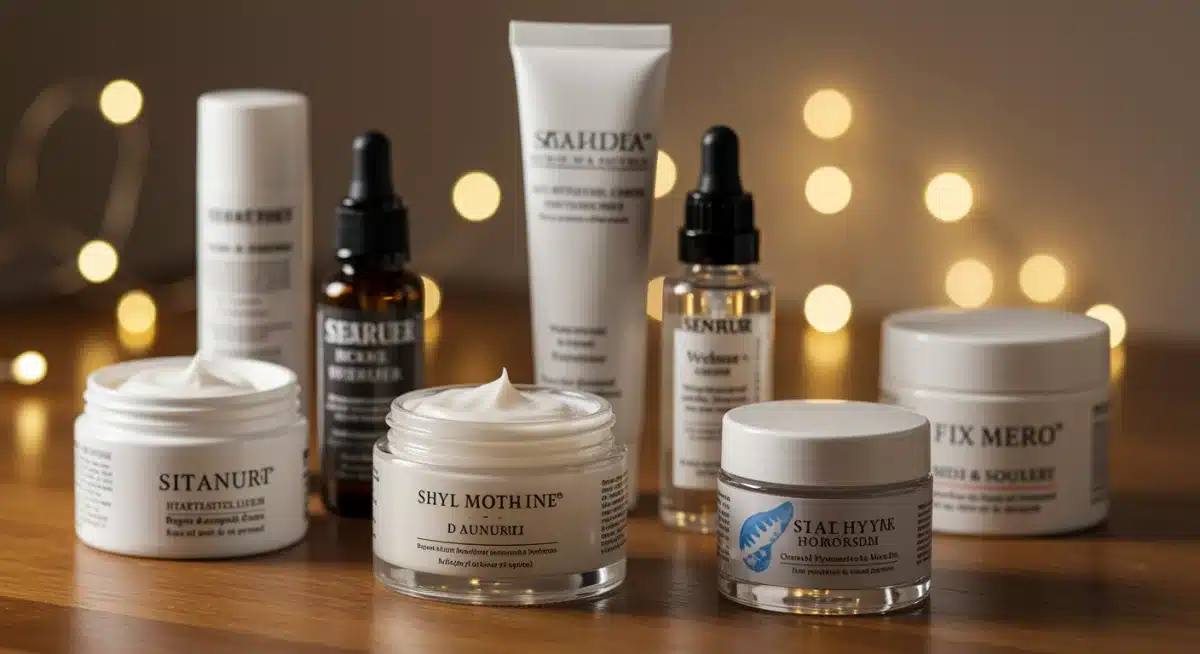
In winter, look for serums packed with humectants, ingredients that draw moisture from the air into the skin, and barrier-supporting components. Layering these products correctly can significantly boost your skin’s ability to withstand the drying effects of cold weather and indoor heating. Applying them to damp skin immediately after cleansing allows for optimal absorption and effectiveness.
Key Hydrating Ingredients to Seek
- Hyaluronic Acid: A powerful humectant that can hold up to 1,000 times its weight in water, providing intense, multi-level hydration.
- Glycerin: Another effective humectant that attracts and retains moisture, supporting skin barrier function.
- Ceramides: Essential lipids that make up a significant portion of the skin barrier, helping to prevent moisture loss and protect against environmental aggressors.
- Niacinamide (Vitamin B3): Improves skin barrier function, reduces inflammation, and enhances overall skin health.
Consider incorporating a hydrating essence before your serum for an extra layer of moisture. Essences are lighter in texture and prepare the skin to better absorb subsequent products. For optimal results, apply serums and essences by gently pressing them into the skin rather than rubbing, allowing the ingredients to fully absorb. This step is non-negotiable for anyone looking to combat winter dryness effectively, as it provides the deep, lasting hydration that surface moisturizers alone cannot always achieve.
Step 3: Fortifying with Rich Moisturizers and Oils
After layering your hydrating serums and essences, it’s time to seal in all that goodness with a robust moisturizer. This step is paramount in your winter 2025 skincare routine, acting as the final protective barrier against the harsh elements. During winter, your skin requires a heavier, more occlusive moisturizer than what you might use in warmer months. The goal is to prevent transepidermal water loss and reinforce the skin’s lipid barrier, keeping moisture locked in and irritants out.
Look for creams that are rich in emollients and occlusives. Emollients smooth and soften the skin, while occlusives form a physical barrier to prevent water evaporation. Incorporating facial oils can also provide an extra layer of nourishment and protection, especially for those with very dry or compromised skin. These oils can be applied either before or mixed with your moisturizer, depending on your preference and skin needs.
What to Look for in Winter Moisturizers
- Cream-Based Formulas: Thicker than lotions, creams offer more intense hydration and a stronger protective barrier.
- Occlusive Ingredients: Seek out ingredients like petrolatum, lanolin, mineral oil, or shea butter, which create a physical seal on the skin.
- Emollients: Fatty acids, cholesterol, and ceramides help to repair and restore the skin’s natural lipid barrier.
- Plant Oils: Argan oil, jojoba oil, and squalane mimic the skin’s natural oils, offering deep nourishment without clogging pores.
Apply your rich moisturizer generously, ensuring full coverage, especially on exposed areas like the face and neck. Don’t forget your body; the skin on your limbs and torso can also suffer from winter dryness. A thick body cream applied immediately after showering, while skin is still damp, can make a significant difference. By fortifying your skin with these potent moisturizers and oils, you create a resilient shield that helps your complexion stay supple, comfortable, and protected throughout the challenging winter months.
Step 4: Targeted Treatments and Overnight Repair
Beyond daily hydration, winter skin often benefits from targeted treatments that address specific concerns and promote overnight repair. This step is about giving your skin an extra boost of TLC when it’s most vulnerable. Incorporating products like hydrating masks, sleeping packs, and specialized treatments can provide intensive care, helping to soothe irritation, reduce redness, and deeply nourish the skin while you sleep. Nighttime is when your skin’s regenerative processes are most active, making it the ideal time for potent repair.
Consider adding a weekly hydrating mask to your routine. These masks deliver a concentrated dose of moisture and beneficial ingredients, offering immediate relief to dry, tight skin. Sleeping masks, applied as the last step of your evening routine, work overnight to seal in moisture and active ingredients, ensuring you wake up to a plump, refreshed complexion. These targeted treatments are essential for addressing the cumulative stress of winter on your skin.
Boosting Your Nighttime Regimen
- Hydrating Face Masks: Use 1-2 times a week to provide an intense surge of moisture and calm stressed skin.
- Overnight Sleeping Masks: These act as a protective blanket, sealing in your skincare and supporting the skin’s natural repair cycle.
- Spot Treatments for Irritation: If you experience specific dry patches or redness, use balms or creams with soothing ingredients like colloidal oatmeal or centella asiatica.
- Lip and Eye Care: Don’t forget these delicate areas. A rich eye cream and a protective lip balm are crucial to prevent chapping and fine lines exacerbated by dryness.
By integrating targeted treatments, you provide your skin with the concentrated care it needs to recover from daily environmental stressors. These products work synergistically with your daily routine to build resilience, repair damage, and maintain optimal skin health. Focusing on overnight repair ensures that your skin is constantly being replenished and protected, leading to a healthier, more radiant appearance come morning, even in the depths of winter.
Step 5: Lifestyle Adjustments and Environmental Protection
While topical skincare is crucial, maintaining healthy skin in winter 2025 also requires holistic lifestyle adjustments and conscious environmental protection. What you put into your body and how you manage your surroundings significantly impact your skin’s ability to stay hydrated and resilient. Neglecting these broader factors can undermine even the most diligent skincare routine, leaving your skin prone to dryness and irritation.
Indoor heating, while necessary, is a major culprit for dehydration. Simple adjustments in your home environment can make a substantial difference. Similarly, protecting your skin from direct exposure to cold, wind, and sun (yes, even in winter) is vital. These lifestyle changes complement your product choices, creating a comprehensive strategy for winter skin health.
Essential Winter Lifestyle Tips
- Use a Humidifier: Adding moisture back into dry indoor air can significantly reduce skin dehydration. Place one in your bedroom or main living areas.
- Stay Hydrated Internally: Drink plenty of water throughout the day. Internal hydration is just as important as external application for skin health.
- Limit Hot Showers: Though tempting, keep showers and baths lukewarm and brief to avoid stripping natural oils.
- Wear Protective Clothing: Scarves, hats, and gloves shield your skin from harsh winds and cold temperatures.
- Apply SPF Daily: UV rays are present year-round, even on cloudy winter days. Use a broad-spectrum sunscreen to prevent sun damage and protect compromised skin.
Beyond these, consider your diet. Foods rich in omega-3 fatty acids, like salmon and flaxseed, can support skin barrier function from within. Minimizing caffeine and alcohol intake, which can be dehydrating, also contributes to overall skin hydration. By embracing these lifestyle adjustments and prioritizing environmental protection, you create an optimal environment for your skin to thrive, ensuring it remains healthy, hydrated, and radiant throughout the winter season.
| Key Step | Brief Description |
|---|---|
| Gentle Cleansing | Switch to hydrating, non-stripping cleansers and reduce exfoliation frequency. |
| Hydration Boost | Incorporate serums and essences with humectants like hyaluronic acid and ceramides. |
| Barrier Fortification | Use rich, occlusive moisturizers and facial oils to seal in moisture. |
| Holistic Care | Employ humidifiers, drink water, and protect skin from environmental stressors. |
Frequently Asked Questions About Winter Skincare
Winter air has lower humidity, both outdoors and indoors due to heating. This draws moisture from your skin, weakening its natural barrier. Cold winds further accelerate water loss, leading to dryness, flaking, and sensitivity. It’s a combination of environmental factors and reduced natural oil production.
It’s generally recommended to switch to a gentler, more hydrating cleanser during winter. Many regular cleansers, especially foaming ones, can strip natural oils, exacerbating dryness. Opt for cream, oil, or balm cleansers that cleanse effectively without compromising the skin’s moisture barrier.
Reduce exfoliation frequency to once or twice a week. Over-exfoliation can further damage the skin barrier, leading to increased dryness and irritation. Chemical exfoliants with gentle acids like lactic acid are often preferred over harsh physical scrubs, providing effective renewal without excessive abrasion.
While not strictly necessary for everyone, face oils can provide significant benefits for dry or compromised skin in winter. They offer an extra layer of nourishment and occlusive protection, helping to seal in moisture and strengthen the skin barrier. They can be applied before or mixed with your moisturizer.
Yes, internal hydration is crucial. While topical products address external dryness, drinking plenty of water supports overall bodily hydration, which reflects in skin health. Well-hydrated cells are more resilient and function optimally, contributing to a plump and healthy complexion from within.
Conclusion
Navigating the challenges of winter 2025 dryness doesn’t have to be a losing battle for your skin. By consciously adapting your skincare routine and incorporating these five strategic steps, you can shield your complexion from the harsh effects of cold weather and indoor heating. From gentle cleansing and targeted hydration to fortifying moisturizers and essential lifestyle adjustments, each step plays a vital role in maintaining a healthy, resilient, and radiant glow throughout the season. Remember, consistency and a proactive approach are your best allies in ensuring your skin remains supple and comfortable, ready to face whatever winter throws its way.