Holistic Health: 3 Updates for Wellness in America
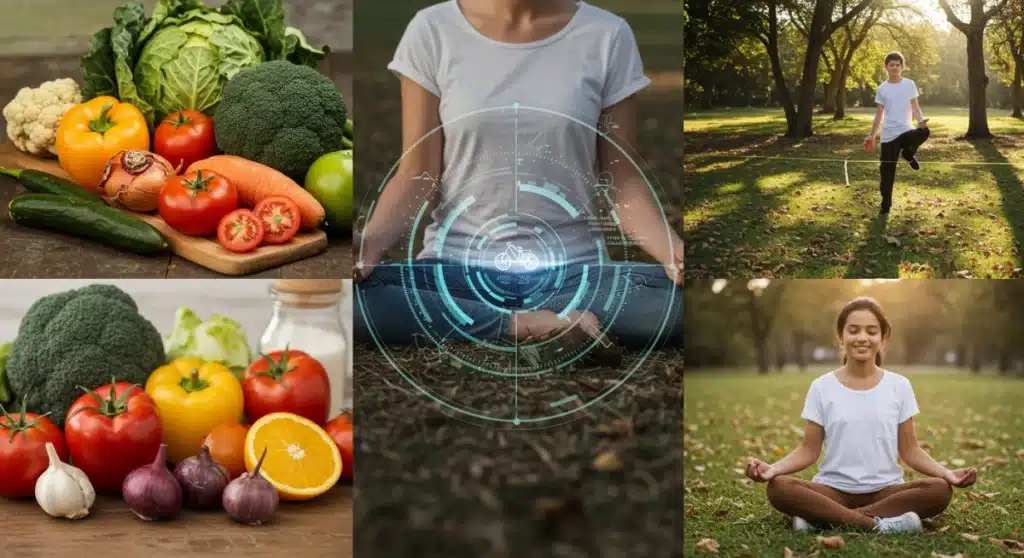
For Americans seeking optimal well-being, the latest holistic health updates emphasize personalized nutrition based on genetic insights, the pervasive integration of technology in mindfulness practices, and comprehensive, integrative mental health strategies.
Staying informed about holistic health updates is more critical than ever for Americans navigating the evolving landscape of well-being. As we look towards 2025, significant advancements are redefining how we approach health, moving beyond conventional treatments to embrace a more integrated, personalized, and preventive mindset. This article delves into three pivotal areas that promise to shape our wellness journeys in the coming year, offering insights into how these changes can empower you to achieve a more balanced and vibrant life.
The rise of personalized nutrition and nutrigenomics
The days of one-size-fits-all dietary advice are rapidly fading. In 2025, personalized nutrition, driven by the science of nutrigenomics, is set to revolutionize how Americans eat. This approach recognizes that our genetic makeup profoundly influences how our bodies process nutrients, react to certain foods, and even predispose us to specific health conditions.
Imagine a world where your diet isn’t based on general guidelines, but on a precise blueprint derived from your DNA. This is the promise of nutrigenomics, which analyzes your genetic code to provide highly individualized dietary recommendations. Beyond just weight management, personalized nutrition aims to optimize overall health, prevent disease, and enhance vitality by aligning your food choices with your unique biological needs.
Understanding your genetic blueprint
Nutrigenomics involves a simple genetic test, usually a saliva sample, which is then analyzed to identify specific genetic variations. These variations can impact everything from your metabolism of fats and carbohydrates to your vitamin absorption and even your sensitivity to caffeine. The results provide a detailed report that guides dietary and lifestyle modifications tailored just for you.
- Genetic testing: Identifies unique genetic markers relevant to diet and health.
- Metabolic insights: Reveals how your body processes different macronutrients.
- Micronutrient needs: Pinpoints potential deficiencies or enhanced requirements for vitamins and minerals.
- Food sensitivities: Helps identify foods that might cause inflammation or adverse reactions based on genetic predispositions.
Impact on chronic disease prevention
One of the most significant benefits of personalized nutrition is its potential for chronic disease prevention. By understanding your genetic predispositions, you can proactively adjust your diet to mitigate risks for conditions like type 2 diabetes, heart disease, and certain cancers. This preventive approach aligns perfectly with the holistic philosophy of addressing the root causes of illness rather than just managing symptoms.
Furthermore, personalized nutrition extends to optimizing athletic performance and cognitive function. Athletes can tailor their diets for peak energy and recovery, while individuals seeking to enhance brain health can focus on nutrients that support neural pathways and reduce oxidative stress. The implications are vast, offering a pathway to truly optimize human potential through diet.
The integration of personalized nutrition into mainstream wellness in 2025 marks a profound shift. It empowers individuals with actionable, science-backed information, moving them from passive recipients of health advice to active participants in their well-being. This tailored approach promises a more effective and sustainable path to health for many Americans.
Technology-driven mindfulness and stress reduction
In our increasingly digital world, technology is now being harnessed as a powerful tool for mindfulness and stress reduction. For Americans grappling with modern life’s demands, 2025 will see an even greater integration of tech-driven solutions designed to foster mental clarity and emotional balance. These innovations range from advanced meditation apps to biofeedback devices and virtual reality (VR) experiences, all aimed at making mindfulness more accessible and effective.
The goal is to move beyond traditional meditation practices, offering personalized and interactive experiences that adapt to individual needs and progress. This evolution addresses common barriers to mindfulness, such as difficulty concentrating or finding time, by providing structured, engaging, and often gamified approaches to mental wellness.
Advanced meditation applications and platforms
The next generation of mindfulness apps goes beyond simple guided meditations. They incorporate artificial intelligence (AI) to personalize sessions, tracking user progress, mood, and even biometric data to suggest optimal practices. These platforms offer a diverse range of content, from breathwork exercises to cognitive behavioral therapy (CBT) techniques, all delivered through engaging interfaces.
- AI-powered personalization: Adapts sessions based on user data and goals.
- Biometric integration: Syncs with wearables to monitor heart rate variability and other stress indicators.
- Gamified experiences: Encourages consistent practice through challenges and rewards.
- Community features: Connects users with coaches and support groups for enhanced engagement.
Biofeedback and neurofeedback devices
Wearable biofeedback and neurofeedback devices are becoming more sophisticated and user-friendly. These tools provide real-time data on physiological responses to stress, such as heart rate, skin conductance, and brainwave activity. By visualizing these metrics, individuals can learn to consciously regulate their body’s responses, effectively training themselves to achieve deeper states of relaxation and focus.
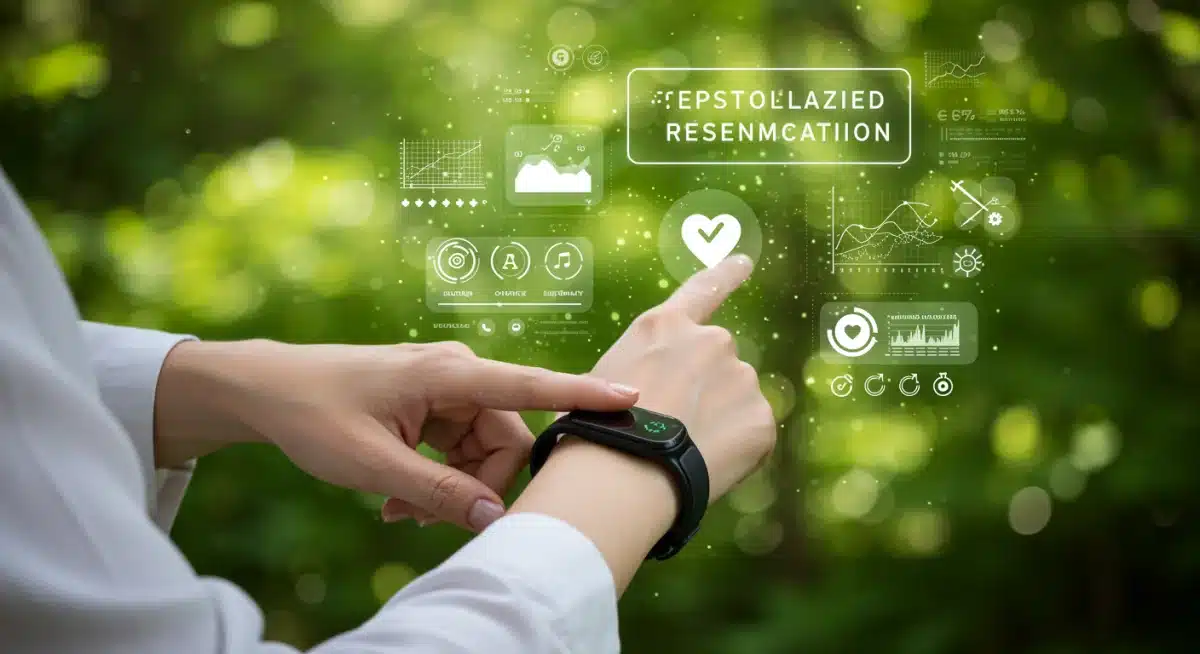
The immediate feedback loop empowers users to understand their stress triggers and develop coping mechanisms more efficiently. Neurofeedback, in particular, focuses on training brainwave patterns, which has shown promise in improving attention, reducing anxiety, and enhancing overall cognitive performance. These devices represent a significant step towards self-regulation and mental resilience.
Virtual reality (VR) is also emerging as a potent tool for stress reduction. VR environments can transport users to serene landscapes, offer immersive guided meditations, or even simulate therapeutic scenarios. This allows for a deeply engaging and distraction-free experience, helping individuals detach from daily stressors and cultivate inner peace. The convergence of technology and mindfulness in 2025 promises a more accessible and effective path to stress reduction for Americans.
Integrative approaches to mental health care
Mental health continues to be a paramount concern, and in 2025, the focus on integrative approaches will intensify. Moving beyond traditional talk therapy and pharmacology, integrative mental health care embraces a holistic view, incorporating a wide array of complementary therapies to address the mind, body, and spirit. This comprehensive strategy recognizes that mental well-being is intricately linked to physical health, lifestyle, and environmental factors.
For many Americans, the search for more effective and sustainable mental health solutions has led to a growing interest in these integrative models. The goal is to create personalized treatment plans that combine the best of conventional and alternative medicine, offering a more robust and compassionate path to healing and resilience.
Beyond traditional therapy: a broader spectrum of care
Integrative mental health care often begins with a thorough assessment that considers not only psychological symptoms but also nutritional status, gut health, sleep patterns, physical activity levels, and social support. This comprehensive diagnostic approach allows practitioners to identify underlying imbalances that may contribute to mental health challenges.
- Nutritional psychiatry: Focuses on the role of diet and specific nutrients in brain health and mood regulation.
- Mind-body practices: Incorporates yoga, tai chi, and meditation to reduce stress and improve emotional regulation.
- Acupuncture and herbal medicine: Utilizes ancient practices to restore balance and alleviate symptoms of anxiety and depression.
- Nature therapy: Emphasizes the therapeutic benefits of spending time in natural environments.
The role of psychedelic-assisted therapy
One of the most groundbreaking developments in integrative mental health for 2025 is the increasing acceptance and research into psychedelic-assisted therapy. Substances like psilocybin and MDMA, when administered in controlled clinical settings and combined with psychotherapy, are showing remarkable promise in treating severe depression, PTSD, and anxiety. While still under strict regulatory scrutiny, the potential for these therapies to offer profound and lasting healing is gaining significant attention.
This innovative approach highlights the shift towards exploring non-traditional avenues for mental health treatment, moving away from symptom suppression towards transformative experiences that address trauma and emotional blocks at a deeper level. The emphasis is on facilitating profound psychological insights and fostering neuroplasticity, leading to more sustainable improvements in mental well-being.
The move towards integrative mental health care signifies a more compassionate and effective approach to supporting individuals. By acknowledging the complex interplay of various factors influencing mental well-being, Americans can look forward to more comprehensive, personalized, and ultimately more successful pathways to mental health in 2025.
Preventive wellness: proactive health management
As we advance into 2025, the paradigm of healthcare in America is increasingly shifting from reactive treatment to proactive prevention. Preventive wellness is gaining traction as individuals seek to take greater control over their health, aiming to avert illness before it takes hold. This approach is characterized by personalized strategies, regular monitoring, and a holistic understanding of well-being that extends beyond merely the absence of disease.
Americans are becoming more aware that lifestyle choices, environmental factors, and early interventions play a crucial role in long-term health outcomes. This shift is driven by a desire for longevity, vitality, and a higher quality of life, moving beyond the traditional model of addressing health issues only once symptoms manifest.
Integrating data for early detection
The cornerstone of proactive health management in 2025 is the integration of diverse data points. Wearable technology, smart home devices, and advanced diagnostic tools are creating a comprehensive picture of an individual’s health status. This continuous monitoring allows for the early detection of subtle changes that might indicate a developing health issue, enabling timely interventions.
- Continuous glucose monitoring: Beyond diabetes management, used for optimizing energy and preventing metabolic issues.
- Advanced microbiome testing: Analyzes gut health to inform dietary and lifestyle interventions, impacting immunity and mood.
- Personalized genetic risk assessments: Identifies predispositions to various conditions, guiding preventive measures.
- AI-driven health insights: Uses algorithms to analyze data and provide personalized recommendations for lifestyle adjustments.
Lifestyle as medicine
In preventive wellness, lifestyle is recognized as a powerful form of medicine. Diet, exercise, sleep, stress management, and social connections are not merely supplementary but are foundational to maintaining health and preventing disease. Healthcare providers are increasingly prescribing specific lifestyle changes as primary interventions, often before pharmacological treatments are considered.
This approach empowers individuals to make informed choices about their daily habits, emphasizing that consistent, small adjustments can lead to significant long-term health benefits. Educational programs and digital platforms are playing a vital role in supporting Americans in adopting these healthier lifestyles, making preventive wellness accessible and actionable for a broader population. The focus is on building sustainable habits that foster resilience and promote overall well-being throughout life.
The emphasis on preventive wellness in 2025 signifies a mature understanding of health as an ongoing journey rather than a destination. By embracing proactive strategies and leveraging technological advancements, Americans can look forward to a future where they are empowered to maintain optimal health and prevent illness more effectively.
The role of environmental health in holistic wellness
Holistic wellness in 2025 is increasingly acknowledging the profound impact of our environment on our health. Environmental health, often overlooked, is now being recognized as a critical pillar that supports or undermines our overall well-being. For Americans, understanding and mitigating environmental exposures, both indoors and outdoors, is becoming a key component of a comprehensive wellness strategy.
This includes addressing issues such as air and water quality, exposure to toxins in everyday products, and the psychological benefits of natural spaces. The goal is to create living and working environments that foster health, rather than detract from it, thereby supporting the body’s natural healing processes and reducing the burden of disease.
Mitigating environmental toxins
Awareness of environmental toxins is growing, leading to more conscious choices in consumer products and home environments. Americans are increasingly seeking out non-toxic alternatives for cleaning supplies, personal care products, and even building materials. This proactive approach aims to reduce the cumulative burden of chemicals on the body, which can contribute to inflammation, hormonal imbalances, and various chronic diseases.
- Air purification systems: Essential for improving indoor air quality, especially in urban areas or homes with allergens.
- Water filtration: Ensures access to clean, contaminant-free drinking water, crucial for cellular health.
- Non-toxic products: Choosing organic foods and chemical-free household items to minimize exposure.
- Green building practices: Designing homes and workspaces with sustainable, healthy materials.
Biophilic design and nature connection
The concept of biophilic design, which integrates natural elements into built environments, is gaining prominence. Research consistently shows that exposure to nature, or even natural aesthetics, can significantly reduce stress, improve cognitive function, and enhance mood. In 2025, more American homes, workplaces, and public spaces will incorporate biophilic principles to promote well-being.
This extends to encouraging more time spent outdoors, recognizing the therapeutic benefits of fresh air, sunlight exposure (for vitamin D synthesis), and physical activity in natural settings. Connecting with nature is seen not just as a recreational activity but as an essential component of mental and physical health, helping to ground individuals and reduce the physiological impacts of modern stressors.
The recognition of environmental health as a core aspect of holistic wellness in 2025 highlights a more interconnected view of health. By consciously shaping our surroundings and engaging with nature, Americans can create a powerful foundation for sustained well-being, reinforcing the idea that our health is deeply intertwined with the health of our planet.
Community and social connection in wellness
While individual practices are vital, the holistic health landscape of 2025 in America is also placing a renewed emphasis on community and social connection. The understanding that human relationships and a sense of belonging are fundamental to mental and physical health is driving new wellness initiatives. Loneliness and social isolation are increasingly recognized as significant health risks, comparable to smoking or obesity.
As such, fostering strong social networks and engaging in community-based wellness activities are becoming integral parts of a comprehensive holistic approach. This shift acknowledges that humans are inherently social beings, and our well-being thrives when we are connected to others and feel a part of something larger than ourselves.
The health benefits of strong social ties
Research consistently demonstrates that individuals with robust social connections tend to live longer, experience fewer chronic diseases, and have better mental health outcomes. Social support provides a buffer against stress, offers emotional resilience, and encourages healthier behaviors. In 2025, wellness programs are actively integrating components that promote social interaction and community building.
- Group fitness classes: Offer physical activity combined with social engagement and motivation.
- Wellness retreats: Provide immersive experiences that foster connections among participants with shared health goals.
- Support groups: Crucial for individuals facing specific health challenges, offering empathy and shared experiences.
- Volunteer work: Contributes to a sense of purpose and connection, enhancing overall well-being.
Digital platforms for community building
While in-person connections are invaluable, digital platforms are also evolving to facilitate meaningful social interaction within the wellness sphere. Online communities, health forums, and virtual wellness challenges are connecting Americans with shared interests, providing support, and fostering a sense of collective purpose. These platforms can be particularly beneficial for individuals in remote areas or those with limited mobility, ensuring that access to social connection is not restricted.
The key is to use technology to enhance, rather than replace, genuine human connection. These platforms often serve as a starting point for forming real-world relationships or maintaining connections between physical gatherings. The emphasis is on quality interaction and shared experiences that contribute positively to mental and emotional health.
The renewed focus on community and social connection in 2025 underscores a critical aspect of holistic health often overlooked in an individualistic society. By actively nurturing our relationships and engaging with our communities, Americans can build a powerful foundation for resilience, happiness, and sustained well-being, recognizing that health is a collective journey.
Integrating mind-body practices into daily life
The final crucial update for holistic health in 2025 for Americans is the deeper integration of mind-body practices into the fabric of daily life. This goes beyond occasional meditation or yoga sessions; it’s about weaving practices that connect mental and physical states into routine activities, making them accessible and sustainable for everyone. The understanding is that a healthy mind and a healthy body are inseparable, constantly influencing each other.
This trend emphasizes simplicity, consistency, and personalization, encouraging individuals to find what works best for them and to incorporate these practices without requiring significant time commitments or specialized equipment. The goal is to cultivate a continuous state of awareness and balance, rather than compartmentalizing wellness into separate scheduled activities.
Accessible mindfulness techniques
Mindfulness is being reframed as something that can be practiced anywhere, anytime. Simple techniques like mindful breathing during commutes, conscious eating during meals, or short body scans before sleep are becoming more widely promoted. These practices help individuals stay present, reduce anxiety, and improve focus without needing a dedicated meditation space or extended periods of time.
- Mindful movement: Incorporating awareness into everyday activities like walking, stretching, or even chores.
- Breathwork breaks: Short, intentional breathing exercises integrated into work or study routines.
- Gratitude journaling: A simple daily practice to foster positive emotions and shift perspective.
- Sensory awareness: Paying attention to sights, sounds, and smells in the present moment to ground oneself.
The synergy of physical activity and mental well-being
Physical activity is increasingly viewed not just for its physical benefits but as a powerful tool for mental and emotional regulation. The connection between exercise and mood, cognitive function, and stress reduction is well-established. In 2025, Americans are encouraged to find forms of movement that they genuinely enjoy, making physical activity a joyful and sustainable part of their holistic wellness strategy.
This includes practices like forest bathing, which combines physical activity with immersion in nature, or mindful walking, which integrates meditation with movement. The emphasis is on finding activities that resonate personally, ensuring that the practice is both physically invigorating and mentally restorative. This holistic view of movement transforms exercise from a chore into a vital component of integrated well-being.
By seamlessly integrating mind-body practices into daily routines, Americans in 2025 can achieve a more profound and continuous state of well-being. This approach makes holistic health less about arduous tasks and more about cultivating a mindful, balanced, and harmonious existence, recognizing the powerful interplay between our thoughts, emotions, and physical health.
| Key Holistic Update | Brief Description |
|---|---|
| Personalized Nutrition | Dietary plans tailored to individual genetic makeup (nutrigenomics) for optimal health and disease prevention. |
| Tech-Driven Mindfulness | AI-powered apps, biofeedback, and VR for accessible and personalized stress reduction and mental clarity. |
| Integrative Mental Health | Holistic approaches combining conventional and complementary therapies, including psychedelic-assisted therapy. |
| Preventive Wellness | Proactive health management through data integration, early detection, and lifestyle as medicine. |
Frequently Asked Questions about 2025 Holistic Health
Personalized nutrition tailors dietary recommendations based on an individual’s unique genetic profile and lifestyle. It’s a 2025 trend because advancements in nutrigenomics allow for precise, science-backed dietary plans that optimize health, prevent disease, and enhance well-being more effectively than generic advice, aligning with a holistic approach.
Technology is making mindfulness more accessible and effective through AI-powered meditation apps that personalize sessions, biofeedback devices providing real-time physiological data for stress reduction, and immersive virtual reality experiences. These innovations help individuals cultivate mental clarity and emotional balance efficiently in their daily lives.
Integrative mental health care combines traditional therapies with complementary practices like nutritional psychiatry, mind-body techniques (yoga, meditation), acupuncture, and even emerging psychedelic-assisted therapies. This holistic approach addresses mental well-being by considering the interconnectedness of mind, body, and spirit, offering comprehensive and personalized treatment plans.
Preventive wellness is crucial in 2025 because it focuses on proactive health management to avert illness before symptoms appear. Leveraging wearable tech, advanced diagnostics, and AI, it empowers individuals with data-driven insights and emphasizes lifestyle as medicine, promoting longevity and a higher quality of life through early intervention and healthy habits.
Environmental health is vital for holistic wellness by recognizing the impact of our surroundings on our well-being. It involves mitigating exposure to toxins from air, water, and products, and embracing biophilic design and nature connection. Creating healthy environments supports natural healing, reduces disease burden, and fosters overall mental and physical health.
Conclusion
As we anticipate 2025, the landscape of holistic health in America is clearly evolving towards more personalized, technologically integrated, and comprehensive approaches. From the precision of nutrigenomics and the accessibility of tech-driven mindfulness to the broad embrace of integrative mental health, these updates signify a profound shift. Americans are increasingly empowered to take proactive control of their well-being, moving beyond reactive treatments to embrace holistic strategies that nourish mind, body, and spirit. By staying informed and adopting these forward-thinking practices, individuals can unlock new levels of vitality and resilience, shaping a healthier, more balanced future for themselves and their communities.