2026 Guide to Sustainable Fashion: 5 Eco-Conscious Trends
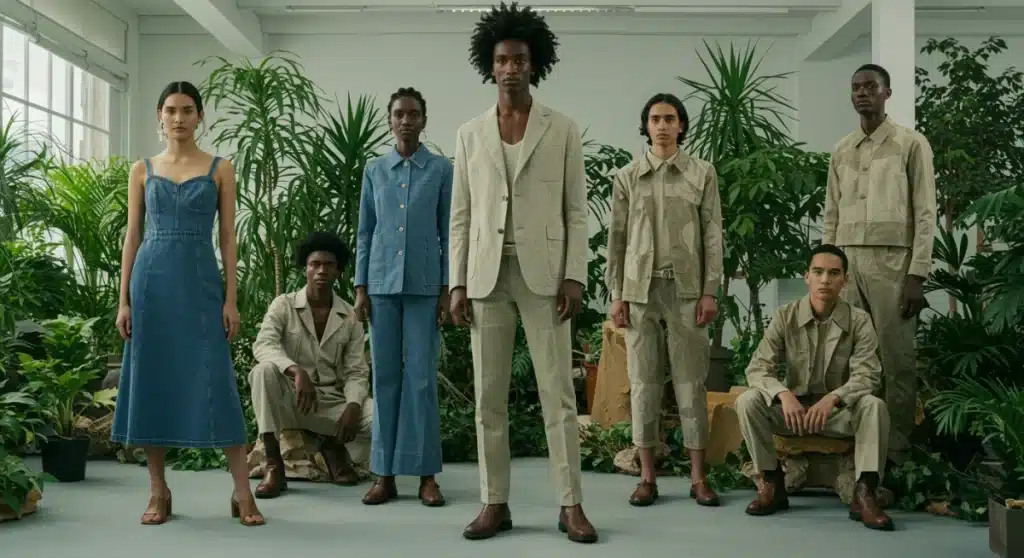
The 2026 guide to sustainable fashion focuses on five key trends: circularity, bio-based materials, transparent supply chains, timeless design, and community-driven initiatives, all essential for an eco-conscious wardrobe.
Welcome to Velvettouche, your ultimate source for beauty, style, and wellness. In 2026, the fashion landscape continues its profound transformation, moving towards practices that honor both people and the planet. This comprehensive 2026 Guide to Sustainable Fashion: 5 Key Trends for an Eco-Conscious Wardrobe explores the most impactful shifts, offering insights into how you can align your personal style with a commitment to environmental responsibility.
The Rise of Circularity in Fashion
Circularity is no longer just a buzzword; it’s a fundamental principle guiding the sustainable fashion industry in 2026. This trend emphasizes designing products with their end-of-life in mind, ensuring materials can be reused, recycled, or biodegraded, minimizing waste and resource depletion.
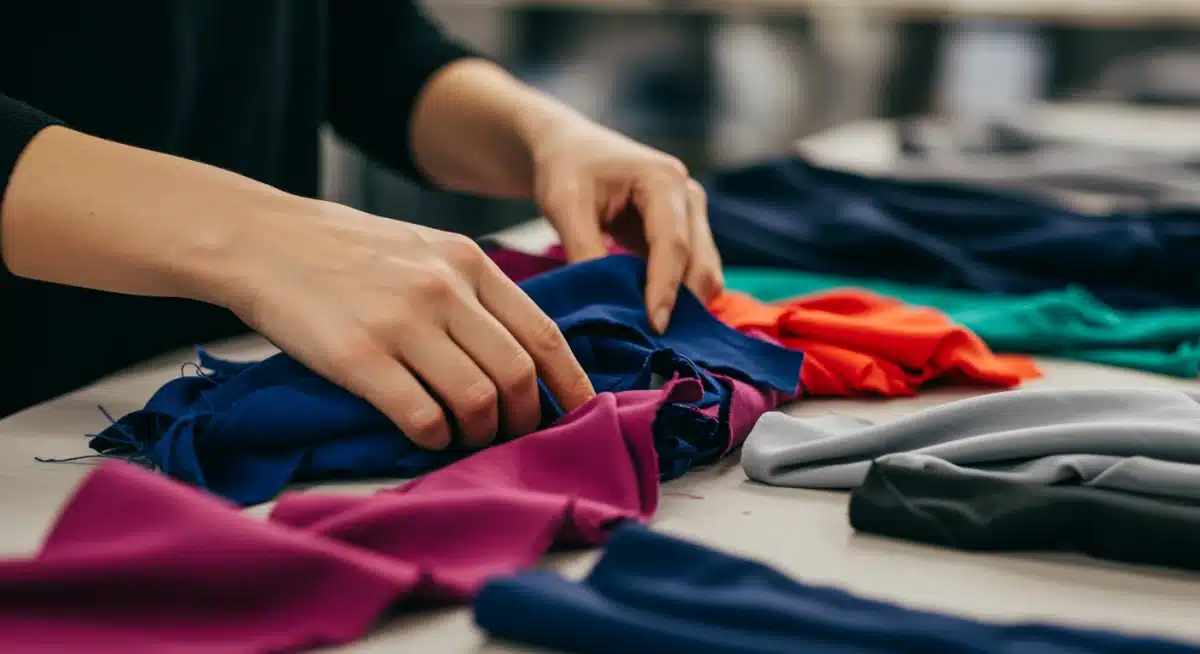
The shift towards circularity involves every stage of a garment’s lifecycle, from sourcing raw materials to manufacturing, consumption, and disposal. Brands are increasingly investing in closed-loop systems, where textile waste is collected and transformed into new fibers, effectively creating a continuous cycle of production and consumption without generating new waste.
Innovative Recycling Technologies
Advancements in recycling technology are critical to the success of circular fashion. New methods allow for the separation and regeneration of complex textile blends, which were previously difficult to recycle. These innovations are paving the way for a truly circular economy.
- Chemical Recycling: Breaking down fibers to their molecular level to create new, high-quality yarns.
- Mechanical Recycling: Shredding and re-spinning textile waste into new fibers, ideal for certain materials.
- Fiber-to-Fiber Recycling: Directly transforming old garments into new ones, significantly reducing the demand for virgin resources.
Consumers are encouraged to participate in take-back programs offered by brands, ensuring their old garments re-enter the circular system. This collective effort is crucial for reducing landfill waste and conserving natural resources. By embracing circularity, we move closer to a fashion industry that operates in harmony with ecological limits.
Bio-Based Materials: Nature’s Answer to Sustainable Textiles
In 2026, the industry’s reliance on fossil-fuel-derived synthetics is significantly decreasing, making way for a new generation of bio-based materials. These innovative textiles are sourced from renewable biological resources, offering biodegradable and low-impact alternatives to traditional fabrics. This trend is driven by a growing understanding of environmental footprints and the desire for more natural, healthier clothing options.
From plant-derived fibers to laboratory-grown materials, bio-based textiles represent a diverse and rapidly evolving category. Their development is a testament to scientific ingenuity combined with an urgent need for sustainable solutions in fashion. These materials often require less water, energy, and pesticides compared to conventional alternatives, making them a cornerstone of an eco-conscious wardrobe.
Next-Generation Bio-Textiles
The innovation in bio-based materials is astounding, with new fibers emerging that boast unique properties while maintaining a reduced environmental impact.
- Mushroom Leather (Mycelium): A durable, versatile, and biodegradable alternative to animal leather, grown from fungal roots.
- Algae-Based Fabrics: Textiles created from algae biomass, offering a sustainable, carbon-negative option for dyes and fibers.
- Pineapple Leaf Fiber (Piñatex): A strong, lightweight material made from pineapple leaves, providing a cruelty-free leather alternative.
- Hemp and Organic Cotton Blends: Enhanced versions of classic natural fibers, cultivated without harmful chemicals and processed with minimal environmental impact.
Choosing garments made from bio-based materials actively supports agricultural biodiversity and reduces the industry’s carbon footprint. Consumers are increasingly seeking transparency regarding material origins, pushing brands to innovate and adopt these sustainable options more broadly. This shift not only benefits the planet but also offers unique textures and qualities that enrich personal style.
Transparency and Traceability: The Ethical Imperative
The year 2026 marks a turning point where transparency and traceability are no longer optional but essential for fashion brands. Consumers demand to know the journey of their clothes, from farm to hanger, including ethical labor practices, environmental impact, and material sourcing. This trend fosters trust and accountability, empowering shoppers to make truly informed decisions.
Brands are responding by implementing advanced tracking technologies, such as blockchain, to provide immutable records of their supply chains. This level of detail allows consumers to scan a QR code on a garment and access information about its origin, the conditions of its production, and its environmental certifications. The goal is to eliminate greenwashing and ensure genuine sustainability.
Blockchain and Digital Product Passports
The integration of blockchain technology is revolutionizing supply chain transparency. Digital product passports, powered by blockchain, offer a comprehensive and tamper-proof history for each garment.
- Immutable Records: Blockchain ensures that data on sourcing, manufacturing, and certifications cannot be altered.
- Consumer Access: Easy access to detailed product information via QR codes or NFC tags.
- Ethical Verification: Confirmation of fair labor practices and safe working conditions throughout the supply chain.
- Environmental Impact Data: Information on water usage, carbon emissions, and waste reduction for each item.
For the eco-conscious consumer, transparency means being able to verify claims of sustainability, ensuring that their purchases align with their values. This movement puts pressure on brands to clean up their acts and build genuine relationships with their customers based on honesty and integrity. Opting for brands that provide comprehensive traceability is a powerful way to support ethical fashion.
The Enduring Appeal of Timeless Design
Fast fashion’s fleeting trends are giving way to the enduring appeal of timeless design in 2026. This trend champions quality over quantity, encouraging consumers to invest in versatile, well-made pieces that transcend seasons and last for years. The philosophy is simple: buy less, choose well, and make it last. This approach significantly reduces consumption and waste, forming a cornerstone of a truly sustainable wardrobe.
Timeless design isn’t about sacrificing style; it’s about refining it. It focuses on classic silhouettes, durable materials, and impeccable craftsmanship that resist the urge to follow every passing fad. These garments often feature neutral palettes or subtle patterns, making them easy to mix and match, maximizing their wearability and extending their lifespan.
Building a Capsule Wardrobe
A key strategy for embracing timeless design is curating a capsule wardrobe. This involves selecting a limited number of essential items that can be combined in numerous ways, suitable for various occasions.
- Versatility: Pieces that can be dressed up or down, suitable for multiple settings.
- Durability: High-quality materials and construction that withstand frequent wear and washing.
- Personal Style: Items that truly reflect your aesthetic and make you feel confident.
- Repairability: Choosing garments that can be easily repaired, extending their life even further.
Investing in timeless pieces not only reduces your environmental impact but also simplifies your daily routine and cultivates a more intentional relationship with your clothing. By choosing quality and longevity, you contribute to a slower, more thoughtful fashion cycle, moving away from disposable trends and towards enduring style.
Community and Collaborative Consumption
In 2026, the concept of fashion ownership is evolving, giving rise to community-driven initiatives and collaborative consumption models. This trend moves away from individual accumulation towards shared resources and services, promoting a more sustainable and accessible approach to fashion. It encompasses everything from clothing rental and swapping to repair cafes and peer-to-peer marketplaces, fostering a sense of community around sustainable practices.
These models offer practical solutions to reduce the environmental impact of fashion by extending the life of garments and maximizing their utility. They also provide an affordable way for consumers to access a wider variety of styles without contributing to overproduction and waste. The emphasis is on access over ownership, shifting mindsets towards a more shared economy.
Exploring Collaborative Fashion Models
Various innovative models are gaining traction, making sustainable fashion more inclusive and interactive.
- Clothing Rental Services: Access to designer wear and special occasion outfits without the need for purchase.
- Fashion Swaps: Events and platforms where individuals exchange clothes, giving items a new life and reducing waste.
- Repair Cafes: Community hubs where people can learn to mend and repair their clothes, fostering valuable skills and extending garment lifespans.
- Peer-to-Peer Resale Platforms: Online marketplaces for buying and selling pre-owned clothing, promoting reuse and circularity.
Participating in collaborative consumption not only lessens your fashion footprint but also connects you with a community of like-minded individuals. These initiatives empower consumers to actively engage in sustainable practices, transforming fashion into a shared, resource-efficient endeavor. Embrace these models to enrich your wardrobe sustainably and be part of a growing movement.
Policy and Advocacy: Driving Systemic Change
The year 2026 sees an increased focus on policy and advocacy as crucial drivers for systemic change in sustainable fashion. While individual choices are important, governmental regulations and industry standards are essential to accelerate the transition to a truly sustainable fashion ecosystem. This trend involves advocating for stricter environmental laws, fair labor policies, and incentives for sustainable innovation.
Consumers, activists, and ethical brands are uniting to influence policymakers, pushing for legislation that holds companies accountable for their environmental and social impact. This includes regulations on waste management, chemical use, carbon emissions, and ensuring fair wages and safe working conditions for garment workers globally. The aim is to create a level playing field where sustainable practices are the norm, not the exception.
Key Areas of Policy Focus
Advocacy efforts are targeting several critical areas to create a more responsible and equitable fashion industry.
- Extended Producer Responsibility (EPR): Holding brands accountable for the entire lifecycle of their products, including disposal and recycling.
- Chemical Regulations: Stricter controls on hazardous chemicals used in textile production, protecting workers and ecosystems.
- Labor Rights: Enforcing fair wages, safe working environments, and the right to organize for garment workers.
- Incentives for Sustainable Innovation: Government support and funding for research and development of eco-friendly materials and processes.
Engaging in policy discussions and supporting advocacy groups can amplify your impact beyond personal consumption choices. By demanding greater accountability from both brands and governments, we can collectively drive the fundamental changes needed to build a resilient and ethical fashion future. This trend underscores the power of collective action in shaping the industry.
| Key Trend | Brief Description |
|---|---|
| Circularity | Designing products for reuse, recycling, or biodegradation to minimize waste and resource depletion. |
| Bio-Based Materials | Utilizing renewable biological resources like mushroom leather and algae-based fabrics for sustainable textiles. |
| Transparency & Traceability | Providing clear, verifiable information on supply chains, ethical practices, and environmental impact. |
| Timeless Design | Focusing on durable, versatile, and classic pieces that transcend seasonal trends for longevity. |
Frequently Asked Questions About Sustainable Fashion in 2026
Circularity in 2026 sustainable fashion means designing garments to be reused, recycled, or biodegraded, minimizing waste. It involves closed-loop systems where old textiles are transformed into new ones, reducing reliance on virgin resources and lessening environmental impact.
Bio-based materials, like mushroom leather or algae fabrics, are derived from renewable biological resources, making them biodegradable and less impactful than synthetic alternatives. They reduce the carbon footprint and reliance on fossil fuels, offering healthier choices for consumers.
Transparency and traceability are crucial because they allow consumers to verify ethical labor practices and environmental claims. Technologies like blockchain provide detailed, immutable records of a garment’s journey, fostering trust and holding brands accountable for their supply chain impact.
Timeless design in 2026 sustainable fashion encourages investing in durable, versatile, and classic pieces that transcend fleeting trends. It emphasizes quality over quantity, promoting a ‘buy less, choose well’ philosophy to extend garment lifespans and reduce overall consumption and waste.
Collaborative consumption, through initiatives like clothing rental, swaps, and repair cafes, promotes sharing and reusing garments. This reduces the need for new purchases, extends product life, and fosters community, making fashion more accessible and environmentally friendly without ownership.
Conclusion
The 2026 landscape of sustainable fashion is defined by innovation, accountability, and a profound shift in consumer values. By embracing circularity, prioritizing bio-based materials, demanding transparency, investing in timeless designs, and participating in collaborative consumption, we can collectively build an eco-conscious wardrobe that reflects our commitment to a healthier planet. These trends are not just about what we wear, but about a fundamental change in how we perceive, produce, and consume fashion, paving the way for a more responsible and stylish future.