Winter Skincare 2026: Combat Dryness with Expert Tips

As the chill of 2026 winter approaches, many of us brace ourselves not just for colder temperatures and shorter days, but also for the inevitable onslaught of dry, flaky, and irritated skin. The combination of harsh winds, low humidity, and indoor heating systems creates a perfect storm for skin dehydration. But fear not! Adapting your skincare routine for winter dryness is not only possible but essential for maintaining a healthy, radiant complexion throughout the season. This comprehensive guide will walk you through a step-by-step approach to fortify your skin against the elements, ensuring it remains supple and protected.
Understanding Winter Skincare Dryness: The Science Behind the Struggle
Before we dive into solutions, it’s crucial to understand why winter is such a challenging time for our skin. The primary culprit is the significant drop in humidity. Cold air holds less moisture, and indoor heating further strips the air of its hydration. This dry environment draws moisture directly from your skin, leading to a compromised skin barrier. A healthy skin barrier acts as your body’s protective shield, locking in moisture and keeping irritants out. When this barrier is weakened, your skin becomes more susceptible to dryness, redness, itching, and even conditions like eczema and psoriasis.
Furthermore, hot showers, while tempting on a cold day, can exacerbate the problem by stripping natural oils from your skin. The cumulative effect is often a dull, tight, and uncomfortable complexion. Recognizing these challenges is the first step in effectively combating winter skincare dryness.
Step 1: Re-evaluate Your Cleansing Routine for Winter Skincare Dryness
The foundation of any good skincare routine begins with cleansing. In winter, your cleansing strategy needs a significant overhaul. Harsh cleansers that might work well in warmer months can be detrimental when your skin is already vulnerable to dryness.
Opt for Gentle, Hydrating Cleansers
- Avoid Foaming Cleansers: Many foaming cleansers contain sulfates, which can be overly stripping. Instead, look for cream-based, oil-based, or milky cleansers. These formulations are designed to clean without disrupting your skin’s natural moisture barrier.
- Lukewarm Water is Key: While a steamy shower feels great, hot water can strip your skin of its natural oils. Use lukewarm water for your face to prevent further dehydration.
- Cleanse Less Frequently (If Applicable): If your skin is extremely dry, consider cleansing only once a day in the evening to remove makeup and impurities, and simply rinsing with water in the morning.
Look for ingredients like ceramides, hyaluronic acid, and glycerin in your cleansers. These humectants help attract and retain moisture, even during the cleansing process. A gentle approach to cleansing sets the stage for better product absorption and overall skin health, directly addressing the core issue of winter skincare dryness.
Step 2: Incorporate Hydrating Serums and Essences
After cleansing, the next crucial step in your winter skincare routine is to replenish moisture with targeted treatments. Serums and essences are highly concentrated formulations designed to deliver potent ingredients deep into the skin.
The Power of Hyaluronic Acid, Glycerin, and Squalane
- Hyaluronic Acid (HA): This powerhouse humectant can hold up to 1,000 times its weight in water, drawing moisture from the air and into your skin. Apply HA to damp skin to maximize its efficacy.
- Glycerin: Another excellent humectant, glycerin helps to hydrate and strengthen the skin barrier. It’s often found in combination with other moisturizing ingredients.
- Squalane: A lightweight, non-comedogenic oil that mimics your skin’s natural sebum, squalane provides excellent emollience without feeling heavy or greasy. It helps to seal in moisture and improve skin elasticity.
- Ceramide Serums: Ceramides are lipids that make up a significant portion of your skin barrier. Applying ceramide-rich serums can help repair and fortify a compromised barrier, crucial for combating winter skincare dryness.
Layering these hydrating ingredients can create a powerful shield against moisture loss. Apply your serum or essence immediately after cleansing and toning, while your skin is still slightly damp, to lock in that initial boost of hydration.
Step 3: Upgrade Your Moisturizer for Maximum Protection
Your moisturizer is your skin’s first line of defense against the harsh winter elements. During colder months, your lightweight summer lotion simply won’t cut it. You need a richer, more occlusive formula to truly protect against winter skincare dryness.
Choosing the Right Winter Moisturizer
- Look for Thicker Consistencies: Opt for creams and balms over lotions. These formulations typically contain a higher oil-to-water ratio, providing a more substantial barrier.
- Emollients and Occlusives: Ingredients like shea butter, cocoa butter, petrolatum, mineral oil, and lanolin are excellent occlusives. They create a physical barrier on the skin’s surface, preventing transepidermal water loss (TEWL).
- Ceramides and Fatty Acids: As mentioned before, ceramides are vital for barrier repair. Look for moisturizers that contain a blend of ceramides, cholesterol, and fatty acids in an optimal ratio (often 3:1:1) to mimic your skin’s natural lipid composition.
- Avoid Fragrances and Irritants: Fragrances, essential oils, and certain alcohols can irritate already sensitive winter skin. Choose fragrance-free and hypoallergenic options.
Apply your rich moisturizer generously, both morning and night, immediately after your serums. Don’t forget your neck and décolletage, which are also prone to winter skincare dryness.
Step 4: Don’t Forget Sun Protection – Even in Winter
It’s a common misconception that sunscreen is only necessary during the summer. However, harmful UV rays are present year-round, and snow can actually reflect up to 80% of UV radiation, increasing your exposure. Protecting your skin from sun damage is crucial for overall skin health and preventing further compromise to your skin barrier, which is already battling winter skincare dryness.
Year-Round SPF is Non-Negotiable
- Broad-Spectrum SPF 30+: Choose a broad-spectrum sunscreen with an SPF of 30 or higher to protect against both UVA (aging) and UVB (burning) rays.
- Physical Sunscreens: Mineral-based sunscreens containing zinc oxide and titanium dioxide are often gentler on sensitive winter skin and provide immediate protection.
- Moisturizer with SPF: Many winter moisturizers now incorporate SPF, offering a convenient two-in-one solution. However, ensure the SPF factor is adequate.
Apply sunscreen as the last step in your morning routine, even on cloudy days. This consistent practice is vital for preventing premature aging, hyperpigmentation, and maintaining a robust skin barrier, especially when tackling winter skincare dryness.
Step 5: Targeted Treatments for Specific Winter Skincare Dryness Concerns
Beyond the core routine, certain areas and conditions require extra attention during winter. Addressing these specific concerns can significantly improve your overall comfort and skin health.
Lips, Hands, and Eyes
- Lip Balms: Your lips are incredibly vulnerable to cracking and chapping. Use a thick, occlusive lip balm containing ingredients like petrolatum, beeswax, or shea butter. Reapply frequently throughout the day.
- Hand Creams: Hands are constantly exposed to the elements and frequent washing. Keep a rich hand cream with you and apply it after every wash, especially before bed. Look for creams with ceramides and glycerin.
- Eye Creams: The delicate skin around your eyes is thinner and more prone to dryness. Use a hydrating eye cream to prevent fine lines and crepiness caused by dehydration.
Overnight Masks and Humidifiers
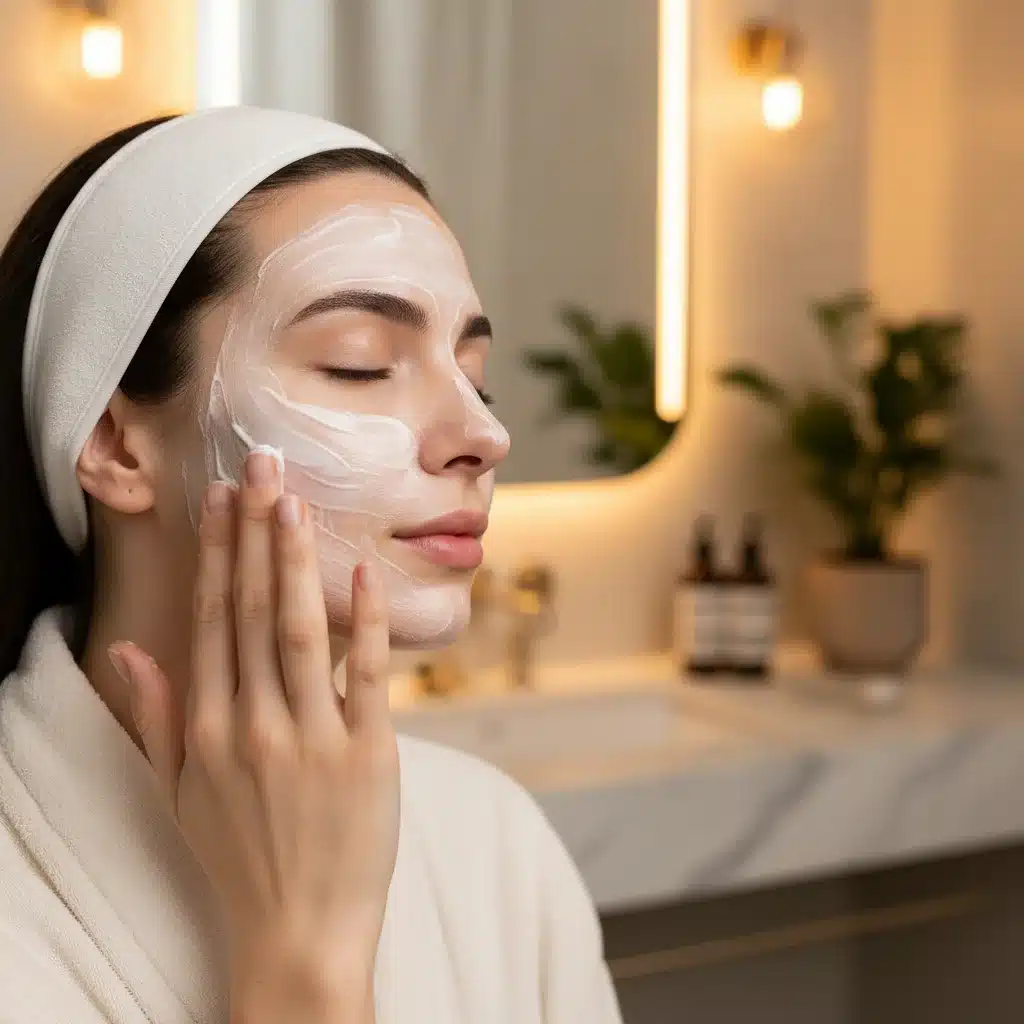
- Overnight Hydrating Masks: Incorporate an overnight sleeping mask into your routine 2-3 times a week. These masks deliver intense hydration and repair while you sleep, waking up to plumper, more radiant skin.
- Humidifiers: Place a humidifier in your bedroom, especially if you use indoor heating. This adds moisture back into the air, preventing it from being drawn out of your skin.
These targeted solutions are essential for a holistic approach to combating winter skincare dryness and ensuring every part of your skin receives the care it needs.
Step 6: Lifestyle Adjustments to Support Your Winter Skincare Routine
Skincare isn’t just about what you put on your skin; it’s also about your overall lifestyle. Making a few simple adjustments can significantly enhance your skin’s ability to withstand winter’s challenges.
Hydration from Within and Diet
- Drink Plenty of Water: While topical hydration is crucial, staying well-hydrated internally supports overall skin health. Aim for at least 8 glasses of water daily.
- Omega-3 Fatty Acids: Incorporate foods rich in omega-3s, such as salmon, flaxseeds, and walnuts. These healthy fats help maintain skin barrier function and reduce inflammation.
- Antioxidant-Rich Foods: Berries, leafy greens, and other antioxidant-rich foods help protect your skin from environmental damage.
Bathing Habits and Clothing
- Shorter, Cooler Showers: Limit your shower time to 5-10 minutes and use lukewarm water instead of hot. Pat your skin dry gently rather than rubbing vigorously.
- Moisturize Immediately: Apply a body moisturizer within three minutes of stepping out of the shower to lock in moisture.
- Layered Clothing: Protect your skin from harsh winds by wearing scarves, hats, and gloves. Natural fibers like cotton or silk are gentler on the skin than synthetic materials.
These lifestyle changes work synergistically with your topical products to create a robust defense against winter skincare dryness, promoting healthier skin from the inside out.
Advanced Tips and Product Recommendations for 2026 Winter Skincare Dryness
For those seeking to elevate their winter skincare game, consider incorporating some advanced strategies and looking out for cutting-edge ingredients expected to gain traction in 2026.
Peptides and Growth Factors
Peptides are chains of amino acids that act as building blocks for proteins like collagen and elastin. Incorporating peptide-rich serums can help improve skin elasticity and firmness, which can be compromised by winter dryness. Growth factors, while more niche, are signaling proteins that stimulate cell growth and repair, offering advanced reparative benefits for a weakened skin barrier.
Microbiome-Friendly Skincare
The skin’s microbiome – the community of microorganisms living on its surface – plays a vital role in barrier function and immunity. In 2026, expect to see more products focusing on supporting a healthy skin microbiome with prebiotics and postbiotics. These ingredients can help balance the skin’s ecosystem, making it more resilient to environmental stressors and less prone to winter skincare dryness.
Occlusive Balms and Oils
For extremely dry or compromised skin, consider ‘slugging’ – applying a thin layer of an occlusive balm (like petrolatum or a rich facial oil) as the very last step in your evening routine. This creates an impenetrable barrier that locks in all the previous layers of hydration and prevents moisture loss throughout the night. While it might feel heavy, the results for severe winter skincare dryness can be transformative.
Professional Treatments
In-office treatments can also provide a significant boost during winter. Hydrating facials, gentle chemical peels (specifically formulated for dry skin), and even light laser treatments can help to exfoliate dead skin cells, promote cell turnover, and enhance product absorption, leading to a healthier, more hydrated complexion.
Common Mistakes to Avoid When Battling Winter Skincare Dryness
Even with the best intentions, some common pitfalls can undermine your efforts to combat winter dryness. Being aware of these can help you fine-tune your routine.
- Over-Exfoliating: While exfoliation is important, overdoing it in winter can strip your skin and further compromise its barrier. Opt for gentle chemical exfoliants (like lactic acid) once or twice a week, or skip physical scrubs entirely.
- Using Alcohol-Based Toners: Toners containing high concentrations of alcohol can be extremely drying. Choose hydrating, alcohol-free toners or essences.
- Ignoring Your Body: Winter skincare dryness isn’t just limited to your face. Your body also needs attention. Apply a rich body cream after every shower or bath.
- Not Patch Testing New Products: Your skin is more sensitive in winter. Always patch test new products, especially those with active ingredients, to avoid irritation.
- Expecting Instant Results: Skincare takes time. Be consistent with your adapted routine, and you’ll start to see improvements in your winter skincare dryness over a few weeks.
Conclusion: Embrace 2026 Winter Skincare Dryness with Confidence
Adapting your skincare routine for 2026 winter dryness is a proactive step towards maintaining healthy, comfortable, and radiant skin all season long. By understanding the unique challenges of winter, choosing the right products, and making informed lifestyle adjustments, you can effectively combat dehydration, irritation, and flakiness. Remember to prioritize gentle cleansing, layer hydrating serums, invest in a rich moisturizer, and never skip SPF. With consistency and the right approach, your skin will not only survive but thrive through the coldest months. Embrace these practical solutions, and let your skin glow with confidence, regardless of the weather outside.