maintaining healthy skin in winter: 7 dermatologist tips

maintaining healthy skin in winter requires gentle cleansing, regular hydration with humectants and barrier-repair moisturizers, protecting exposed areas from wind and sun, adjusting actives to reduce irritation, and improving indoor humidity, diet, sleep and prompt dermatologist care for persistent or infected problems.
maintaining healthy skin in winter often feels like chasing moisture—tight cheeks, occasional redness, flakes. Want practical, easy changes that actually help? Here are realistic tips and simple swaps you can try this week.
Understanding how winter air affects skin
maintaining healthy skin in winter starts with knowing what cold, dry air does to your face and body. Small changes in weather and heating can make skin feel tight and rough.
In this section you’ll learn why skin dries out, which signs to watch for, and what helps the barrier recover.
How cold air steals moisture
Cold air holds less water than warm air. When outdoor humidity drops, moisture leaves the skin faster. This makes the outer layer thin and fragile.
Indoor heating and low humidity
Heaters warm the air but cut humidity even more. Homes and offices can feel warm while skin remains dry. That mismatch often causes flaking and itch.
- Increased transepidermal water loss: skin loses water more quickly in dry air.
- Weakened lipid barrier: oils that lock moisture get depleted, causing roughness.
- More irritation: cracks and redness are common when skin is not protected.
- Flare-ups: eczema or rosacea may worsen without care.
Skin type matters. People with naturally dry skin feel the change sooner. Oily skin can still dehydrate; oil does not equal hydration. Pay attention to how your skin reacts after being outside or near a heater.
Simple habits reduce the impact. Use gentle cleansers, avoid very hot showers, and apply a rich moisturizer while skin is still damp. These steps help rebuild the barrier and lock in water.
Visible signs to watch for
Look for tightness, fine flakes, rough patches, or small cracks. Redness and persistent itch are signals to adjust your routine.
If a product stings or makes dryness worse, stop using it and try a milder option. Layering hydrating serums under creams can improve comfort.
maintaining healthy skin in winter is often about small, consistent fixes. Match your routine to the air you live in, protect skin from harsh conditions, and choose products that support barrier repair.
Daily skincare routine to prevent dryness
maintaining healthy skin in winter means a simple daily plan to keep moisture and comfort. Small, steady steps stop tightness and flakes.
Gentle cleansing, targeted hydration, and protection make a big difference when air is dry and cold.
Morning essentials
Start with a mild cleanser to remove oil without stripping natural lipids. Pat skin dry so it stays slightly damp for better absorption.
Apply a lightweight hydrating serum, then a moisturizer suited to your skin type. Finish with broad-spectrum SPF, even on overcast days.
Evening repair routine
If you use makeup or sunscreen, double-cleanse gently. At night, choose a richer cream or balm to help the barrier rebuild while you sleep.
- Gentle cleanse: avoid hot water and harsh foaming cleansers.
- Hydrating serum: look for hyaluronic acid or glycerin to draw in moisture.
- Sealing step: use a cream or light facial oil to lock hydration.
- Target care: richer products for lips, hands, and dry patches before bed.
Avoid long, hot showers that strip oils. Use lukewarm water and shorter routine showers to preserve skin lipids.
Run a humidifier at home to raise indoor humidity. Wear gloves outside and layer clothing to protect exposed skin from wind.
Adjust textures by weather: switch to a thicker moisturizer on colder days and test new products on a small area first to prevent reactions.
Keep routines short and consistent. Focus on cleansing gently, adding hydration, and sealing with an emollient to support barrier recovery. These steps make maintaining healthy skin in winter manageable and effective.
Choosing moisturizers and active treatments
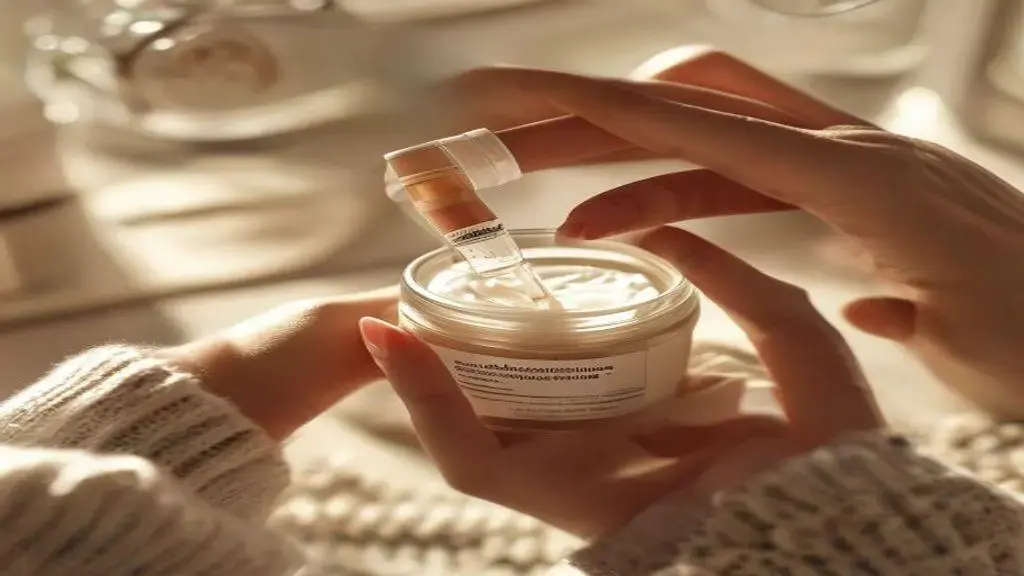
maintaining healthy skin in winter starts with picking the right moisturizer and using actives wisely. The right mix soothes, seals, and heals dry, tight skin.
Below you’ll find clear tips on ingredients, textures, and safe ways to add active treatments without causing irritation.
Key ingredients to look for
Choose products that rebuild the barrier and lock in water. Look for a balance of hydrators, emollients, and occlusives.
- Humectants: hyaluronic acid and glycerin pull water into the skin for quick hydration.
- Emollients: ceramides, fatty acids, and squalane smooth and restore the lipid layer.
- Occlusives: petrolatum, dimethicone, and beeswax seal moisture and prevent water loss.
- Soothers: niacinamide and panthenol calm redness and support repair.
Texture matters: creams and balms work best in cold weather because they provide lasting barrier support. Lighter gels can be fine for oily skin, but they should still include humectants.
If you prefer facial oils, use them as the last step to lock in hydration, or mix a few drops into your moisturizer for extra emollience.
How to combine active treatments safely
Actives like retinoids and acids help skin renewal but can increase sensitivity in winter. Start slow and observe how your skin reacts.
- Retinoids: begin with a low strength, use every other night, and pair with a rich moisturizer to reduce peeling.
- AHAs/BHAs: limit to 1–2 times weekly if skin is dry; avoid using strong acids the same night as retinoids.
- Vitamin C and niacinamide: vitamin C in the morning can boost protection; niacinamide pairs well with most products and helps strengthen the barrier.
Patch test new actives on a small area before full use. If a product stings or causes sharp redness, stop and try a gentler option.
Avoid perfumes and high-alcohol formulas that can strip oils. When adding an active, reduce exfoliation and increase emollient support to keep the barrier intact.
Keep routines simple: pick one or two actives, use them at low frequency, and always follow with a moisturizer suited to your skin’s needs. This approach helps with symptom control and steady improvement.
In short, choose products with humectants, ceramides, and gentle occlusives, introduce actives slowly, and prioritize barrier repair to succeed at maintaining healthy skin in winter.
Diet, hydration and habits that support skin
maintaining healthy skin in winter is not just about creams—what you eat and drink plays a big role. Small, steady changes in diet and habits help skin stay soft and heal faster.
Focus on hydration, nourishing foods, and simple daily routines that support the skin from the inside out.
Drink and hydrate smart
Water is key, but warm drinks and soups add comfort and fluid too. Try to spread fluids through the day rather than gulping a lot at once.
- Aim for regular sips: about 6–8 cups of fluids daily, more if you exercise.
- Hydrating foods: include cucumbers, oranges, melons, and broths in meals.
- Limit dehydrators: cut back on alcohol and very strong coffee that can dry skin.
- Warm beverages: herbal teas and soups soothe and add gentle hydration in cold weather.
Electrolyte-rich drinks can help after heavy sweating or long outdoor exposure, but plain water and food-based fluids usually suffice for daily care.
Nutrients that support skin repair
Choose foods with healthy fats and antioxidants. These nutrients help keep the skin barrier strong and reduce inflammation.
Omega-3s from salmon, sardines, walnuts, and flaxseed help maintain oil balance. Antioxidant-rich foods like berries, spinach, and bell peppers fight free radicals and support healing.
- Vitamin C: found in citrus and strawberries, it helps collagen production.
- Zinc and protein: lean meats, beans, and eggs aid repair and cell turnover.
- Vitamin D: consider safe sun exposure or a supplement after consulting a doctor.
Keep meals balanced and colorful. Small, steady additions of these foods work better than sudden diet changes.
Supplements can help but are not a substitute for a varied diet. Talk to a healthcare provider before starting new vitamins.
Daily habits that boost skin health
Simple routines make a big difference. Sleep, stress control, and avoiding harmful habits help skin recover overnight.
- Sleep: aim for 7–8 hours to support repair and reduce puffiness.
- Manage stress: short walks, deep breathing, or light stretching calm the body and skin.
- Avoid smoking: it reduces blood flow and speeds dryness and aging.
- Protect exposed skin: wear gloves and scarves to reduce wind and cold damage.
Regular gentle exercise improves circulation and can help skin look healthier. Also, moderate indoor humidity and short warm showers help preserve natural oils.
Small, consistent choices—drinking enough, eating nutrient-rich foods, sleeping well, and reducing stress—combine to make maintaining healthy skin in winter easier and more effective.
Recognizing issues and when to see a dermatologist
maintaining healthy skin in winter means spotting when a problem needs more than home care. Some rashes and cracks heal with simple steps; others need a professional exam.
Look for persistent changes, quick spread, or signs of infection that don’t get better in days to weeks.
common winter skin problems
Cold air and low humidity cause dry, cracked skin and can flare conditions like eczema and rosacea. Chapped lips and hands are very common.
- Dry, rough patches: flaky skin that feels tight or scaly.
- Red, itchy flare-ups: eczema or contact dermatitis that worsens with triggers.
- Cracks and bleeding: painful fissures on heels, hands, or lips.
- Signs of infection: increasing pain, warmth, pus, or spreading redness.
Some problems look similar. For example, psoriasis and eczema can both be red and scaly. If a treatment you try makes the area worse, pause and reconsider your products.
when to contact a dermatologist
See a dermatologist if symptoms last despite consistent care for 2–4 weeks, or if the condition rapidly worsens. Early review can prevent scarring and infection.
- Worsening after home care: no improvement after gentle cleansing and regular moisturizers.
- Severe pain or deep cracks: especially when bleeding or limiting movement.
- Suspected infection: fever, spreading warmth, pus, or red streaks near the area.
- Unclear diagnosis: sudden pigment changes, persistent rashes, or lesions that concern you.
Before your visit, note which products you use, when symptoms started, and any recent exposures like new soaps or cold weather activities. Photos of the rash can help track changes between appointments.
At the clinic, the dermatologist may examine the skin closely, suggest patch testing or a simple swab, and recommend prescription creams, barrier repair treatments, or short courses of oral medication if needed.
Timely care balances self-help and expert advice. Knowing warning signs and when to see a doctor supports maintaining healthy skin in winter and helps you get the right treatment sooner.
maintaining healthy skin in winter is possible with small, steady habits. Gentle cleansing, regular hydration, barrier‑repair moisturizers, smart food and fluids, and timely protection outdoors all add up. Stay consistent, watch for warning signs, and ask a dermatologist if things don’t improve.
FAQ – Maintaining Healthy Skin in Winter
How often should I moisturize during winter?
Moisturize at least twice daily—morning and night—and reapply to hands and exposed areas after washing to help lock in moisture.
What ingredients should I look for in winter moisturizers?
Choose products with humectants like hyaluronic acid, barrier builders like ceramides, and occlusives such as petrolatum or dimethicone for lasting protection.
Can I keep using retinoids and exfoliants in winter?
You can, but reduce frequency, start slowly, and always pair actives with a rich moisturizer to avoid extra irritation or flaking.
When should I see a dermatologist for winter skin problems?
See a dermatologist if dryness or rashes don’t improve after 2–4 weeks, if there are deep cracks, severe pain, or signs of infection like spreading redness or pus.