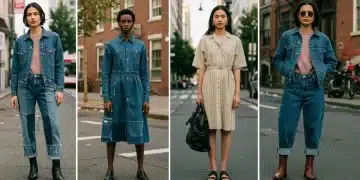
fashion dos and don’ts 2025: what to wear now
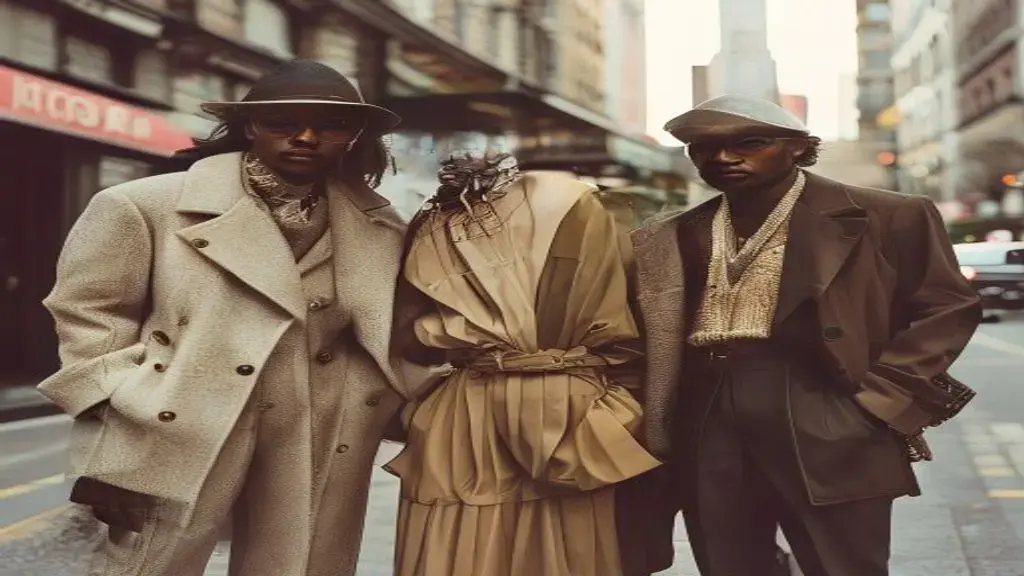
fashion dos and don’ts 2025 outlines practical rules: prioritize balanced silhouettes, textured sustainable fabrics, and quality basics, fix fit with tailoring, and update looks with one seasonal accent to stay modern, reduce waste, and extend wardrobe value.
fashion dos and don’ts 2025 can feel like a fast-moving script — one minute it’s minimalism, the next bold textures. Want short, practical tips you can try this week? Here are clear dos and don’ts with real examples to help you look confident without overhauling your closet.
trend snapshot: shapes, colors and fabrics dominating 2025
fashion dos and don’ts 2025 points to clear shifts in shape, color, and fabric this year. These trends are easy to test and mix into your closet.
Focus on silhouettes that add movement, colors that feel modern, and fabrics that look rich and last longer.
Key shapes to try
Boxy blazers and relaxed tailoring are central. Think wide-legged trousers, curved shoulders, and cropped coats that layer well.
These shapes let you balance structure with comfort and feel current without chasing fast trends.
Shapes to avoid or use sparingly
Very extreme proportions can overwhelm an outfit. Choose one bold shape and keep other pieces simple.
- Avoid overly tight, restrictive fits that limit movement.
- Skip extreme micro-minis for daily wear; opt for balanced hemlines.
- Use exaggerated shoulder pads only with tailored balance.
- Be cautious with ultra-low rises unless they suit your body and comfort.
Color is a main signal this season. Warm neutrals like toasted beige and olive act as a base. Bright accents—acid greens, coral pops, and saturated blues—add life without clashing.
Soft pastels come back in modern tones: think muted lavender or dusty peach rather than bubblegum shades. Mix a bold accent with calm neutrals for a fresh, wearable look.
Fabrics are moving toward texture and sustainability. Bouclé, soft rib knits, and matte satin offer touchable interest that reads upscale. Technical blends give structure and comfort for everyday wear.
Leather alternatives and recycled blends appear in coats and bags. These materials aim to look luxe while cutting environmental impact.
How to combine shapes, colors and fabrics
Start with a neutral base in a good shape—wide trousers or a tailored blazer—then add one textured piece and one color punch.
Balance is key: pair a bulky knit with a slim-lined skirt, or a sculpted sleeve with straight-leg jeans. Let one element lead and keep others simple.
Test trends in small doses. Try a textured accessory or a bright top before committing to larger pieces.
Overall, the best approach for fashion dos and don’ts 2025 is to pick quality pieces that feel timeless, then update them with seasonal color or fabric choices.
wardrobe essentials: pieces worth keeping and upgrading
fashion dos and don’ts 2025 highlights which core pieces keep you stylish without constant shopping. This section shows what to keep and what to upgrade for a smarter closet.
Choose items that fit well, feel versatile, and reflect current silhouettes and textures in small, wearable ways.
Timeless pieces to keep
Start with classic shapes that move through seasons: a well-cut blazer, white shirt, and straight trousers. These anchor outfits and work with trends.
Good fits and neutral colors make these items easy to pair with bolder seasonal pieces.
Items worth upgrading
Invest in improved versions of everyday items: a sweater in a durable knit, leather alternatives with good finish, and shoes with better support.
- Blazer: choose a slightly relaxed cut in high-quality fabric.
- Sweater: swap thin knits for tactile rib or bouclé blends.
- Bag: trade fast-fashion totes for a structured, recycled-leather option.
Look at fabrics when deciding upgrades. Natural blends and textured weaves often last longer and age better than cheap synthetics.
Fit matters more than brand. Tailoring a good piece is often cheaper than buying new. Short sleeves, hemlines, and waistlines can be adjusted for a refreshed look.
Think in outfits, not items. A single upgrade can lift multiple outfits: a quality blazer changes the mood of jeans, skirts, and dresses alike.
Smart shopping rules
Buy with purpose: test how a piece works with items you already own. Prioritize comfort and versatility over impulse color choices.
Set a simple rule: if you can style an item three ways, it earns a place in your core wardrobe.
For budget-friendly updating, mix one investment piece with lower-cost trend items. This follows the fashion dos and don’ts 2025 idea of balancing longevity and style.
When in doubt, choose neutral tones and a clean silhouette. Add texture or a single color accent to stay modern without overhauling your closet.
In short, keep classic fits, upgrade strategically, and let one quality piece update many looks. That approach saves money, reduces waste, and keeps your style current.
sustainable picks: dos that last and why they matter
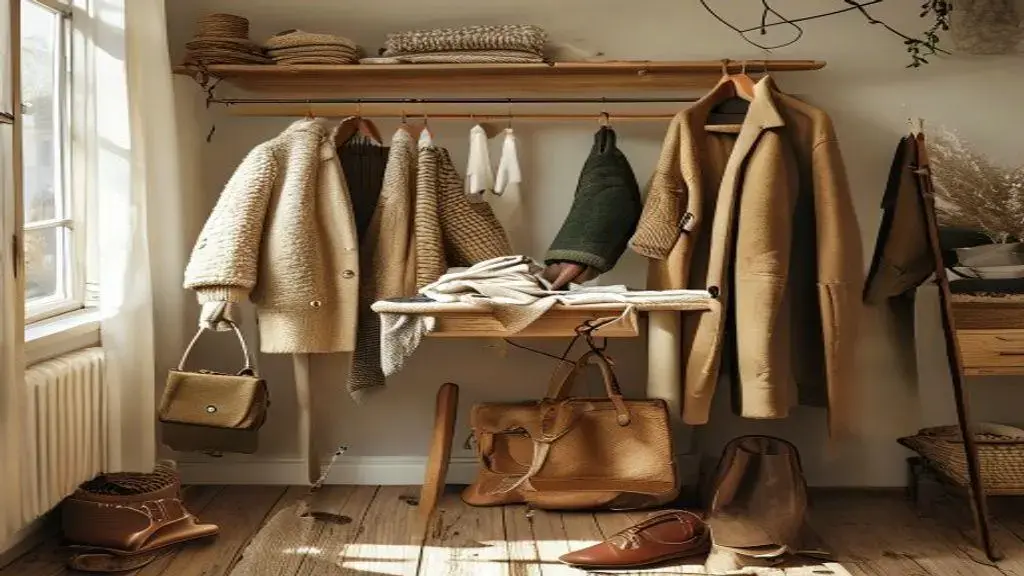
fashion dos and don’t 2025 points to small, smart swaps that last. Choosing sustainable picks means selecting fabrics and designs that you will keep for years.
Look for pieces that fit well, feel sturdy, and can be repaired or reused.
Materials that hold up
Pick natural fibers and sturdy blends. These fabrics age better and often need less frequent replacement.
- Organic cotton and linen for breathability and low-impact farming.
- Wool and wool blends for warmth and natural resilience.
- Boutique recycled fabrics and high-quality faux leather with solid finish.
- Dense weaves like twill or canvas for jackets and trousers.
Texture matters. Bouclé knits, ribbed sweaters, and matte satin look richer and hide wear. Choose finishes that feel tactile and avoid flimsy, shiny synthetics that show damage quickly.
Buying with proof
Certifications and clear sourcing help you spend smarter. Labels can point to better practices and safer dyes.
Search for trusted marks and transparent brand info. A clear supply story often means fewer surprises down the line.
Secondhand and made-to-order pieces reduce waste and often offer better value. Try thrift finds or local makers for unique, durable items.
Care and repair
How you treat clothes extends their life. Simple habits keep items looking fresh and wearable.
- Wash less and choose cold water to protect fibers.
- Repair small holes and loose seams early to avoid big fixes.
- Use shoe resoling and bag refurbishment to extend lifecycle.
- Store garments folded or on shaped hangers to keep form.
Tailoring is a low-cost upgrade. A hem or waist tweak can revive a garment and make it feel new. Learn basic mending or find a reliable local tailor for quick fixes.
Invest in one or two key pieces each season: a durable coat, supportive shoes, or a versatile bag. Mix those with low-cost trend items to stay current without waste.
In short, the best fashion dos and don’t 2025 advice is to choose durable materials, follow simple care, and prefer repair over replace. Those steps save money and keep your wardrobe feeling modern and responsible.
style red flags: don’ts that age your outfit and fixes
fashion dos and don’ts 2025 flags small mistakes that make outfits look older than they are. Spot the red flags and learn quick fixes to modernize your look.
These tips focus on fit, fabric, and simple swaps you can try today.
Common style red flags
Wrong fit is the top culprit. Clothes that are too tight or too baggy read dated fast. Worn finishes and busy clashing patterns also add years to an outfit.
- Ill-fitting garments: hems too long, sleeves too short, or tight waists — they distort proportions.
- Worn shoes and scuffed bags: visible wear lowers the whole look.
- Overly matched or dated prints: head-to-toe busy patterns can feel stuck in the past.
- Cheap or shiny synthetics: fabrics that pill or shine age quickly.
Fit shapes how modern a look feels. A small tailoring tweak often updates an item more than buying new. Neutral base pieces help tone down loud elements and keep outfits fresh.
Color choices matter: muted, modern tones beat brash, faded shades. Replace tired colors with a clean neutral and one fresh accent to lift the outfit instantly.
Practical fixes you can do now
Quick repairs and simple styling moves make a big difference. You don’t need a full closet overhaul.
- Tailor key items: hem trousers, nip in waists, and adjust shoulder lines.
- Refresh footwear: resoling, polishing, or swapping for a classic silhouette.
- Limit pattern play: pair a single print with solid neutrals for balance.
- Swap shiny synthetics for textured pieces like rib knit or matte finishes.
Accessories can age or update an outfit. Choose one well-made bag or pair of shoes instead of many low-quality extras. A neat accessory in a neutral tone lifts casual and formal looks alike.
Small styling habits help: tuck shirts to define the waist, roll cuffs to show ankles with tailored trousers, and keep belts proportional to your frame. These micro-changes modernize without effort.
When choosing updates, follow the fashion dos and don’ts 2025 rule: prioritize fit and fabric, then add one seasonal accent. That approach keeps you current and saves money.
personalize trends: adapt looks for body, budget and lifestyle
fashion dos and don’ts 2025 is about making trends work for you, not the other way around. Small choices can match your shape, wallet, and routine.
Here are clear ways to adapt looks so they feel personal, wearable, and smart for daily life.
Know your shape and balance
Identify what flatters your proportions and use that as a guide. Trends should highlight your best lines, not hide them.
- Choose silhouettes that create balance, like fitted tops with wider pants.
- Use vertical lines or V-necks to lengthen the torso.
- Pick hemlines that match your activity—midi for movement, cropped for casual days.
Tailoring is a fast way to personalize. A small hem or nip at the waist changes how a piece reads on your frame. Fit often matters more than the label.
Stretch your budget with smart swaps
Prioritize investment items that get daily wear: a good coat, reliable shoes, or a blazer. Fill the rest with trend pieces that are affordable.
- Mix one quality piece with lower-cost accents to look current without overspending.
- Explore secondhand, rental, and local makers for unique finds at lower cost.
- Repair and alter before replacing to extend value.
Small upgrades—better buttons, a new lining, or resoling shoes—make old items feel new. These moves follow the fashion dos and don’ts 2025 idea of caring over buying.
Think about lifestyle needs. If you commute, pick fabrics that resist creases. For parents, choose easy-care materials and sturdy footwear. Match trend details to real routines.
Make trends practical and personal
Test trends in accessories or one statement piece before committing fully. This keeps looks fresh and low risk.
- Use scarves, belts, or a bold bag to try color or pattern.
- Swap one element in a classic outfit to reflect a trend—like textured knit instead of a plain sweater.
- Layer trends with classics so pieces work across seasons.
Confidence matters. Wear what feels right and tweak trends to fit your comfort. A small, consistent rule—fit, function, then fashion—makes outfits feel intentional.
Overall, personalize trends by focusing on fit, smart spending, and daily needs. That way, fashion dos and don’ts 2025 becomes a tool to refine your style, not a pressure to change it.
fashion dos and don’ts 2025 guides simple updates that make a big impact: favor balanced shapes, rich textures, and durable basics. Choose sustainable fabrics, fix fit with tailoring, and add one modern accent to stay current. Small, thoughtful moves save money and keep your style fresh.
FAQ – fashion dos and don’ts 2025
How can I try 2025 trends without spending a lot?
Test trends with accessories or one statement piece, shop secondhand or rent, and mix a quality item with affordable accents.
Which fabrics are best for lasting style?
Choose natural fibers and sturdy blends like wool, organic cotton, bouclé, rib knit, and high-quality recycled faux leather for durability and texture.
What simple tailoring fixes make clothes look modern?
Shorten hems, adjust waists, and tidy shoulder lines; small alterations often update fit more than buying new.
How do I stay sustainable on a tight budget?
Prioritize one investment piece, repair and alter items, buy secondhand, and use versatile pieces to get more wear from your wardrobe.