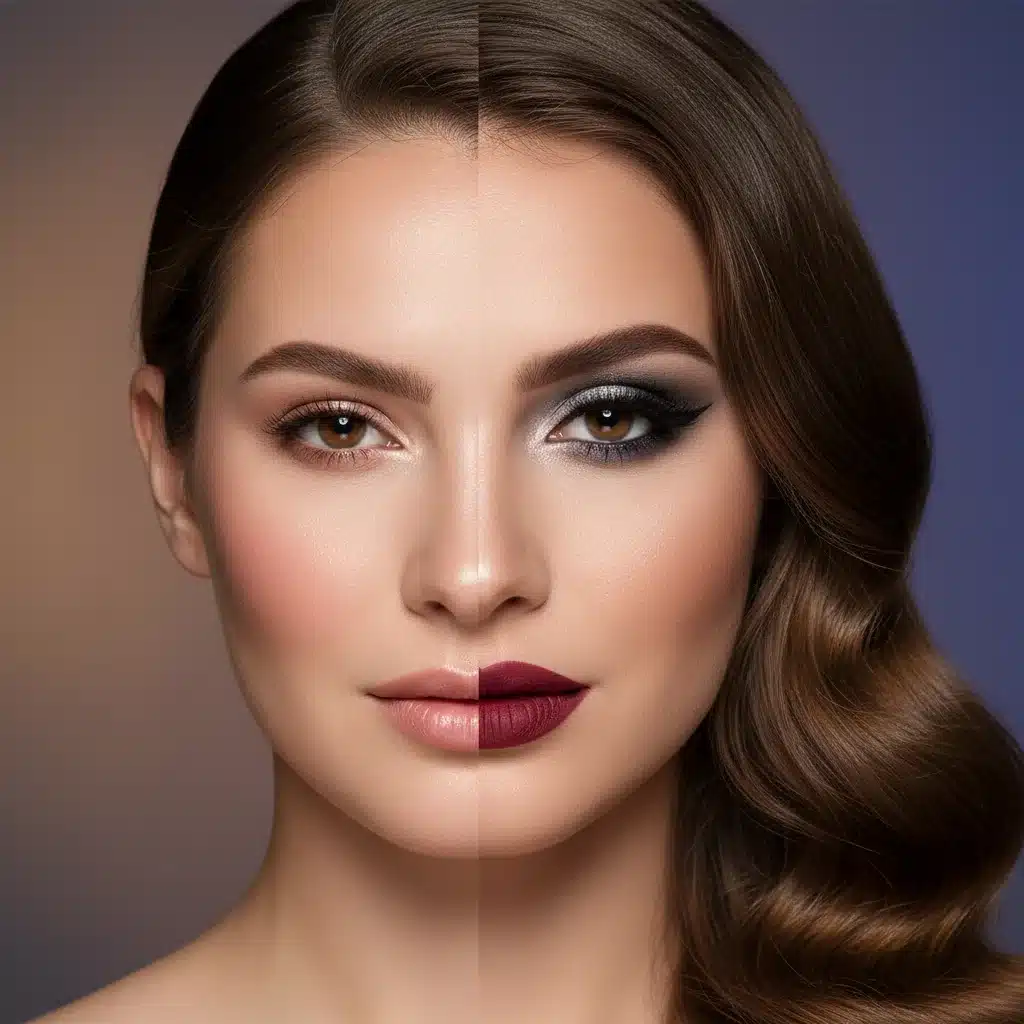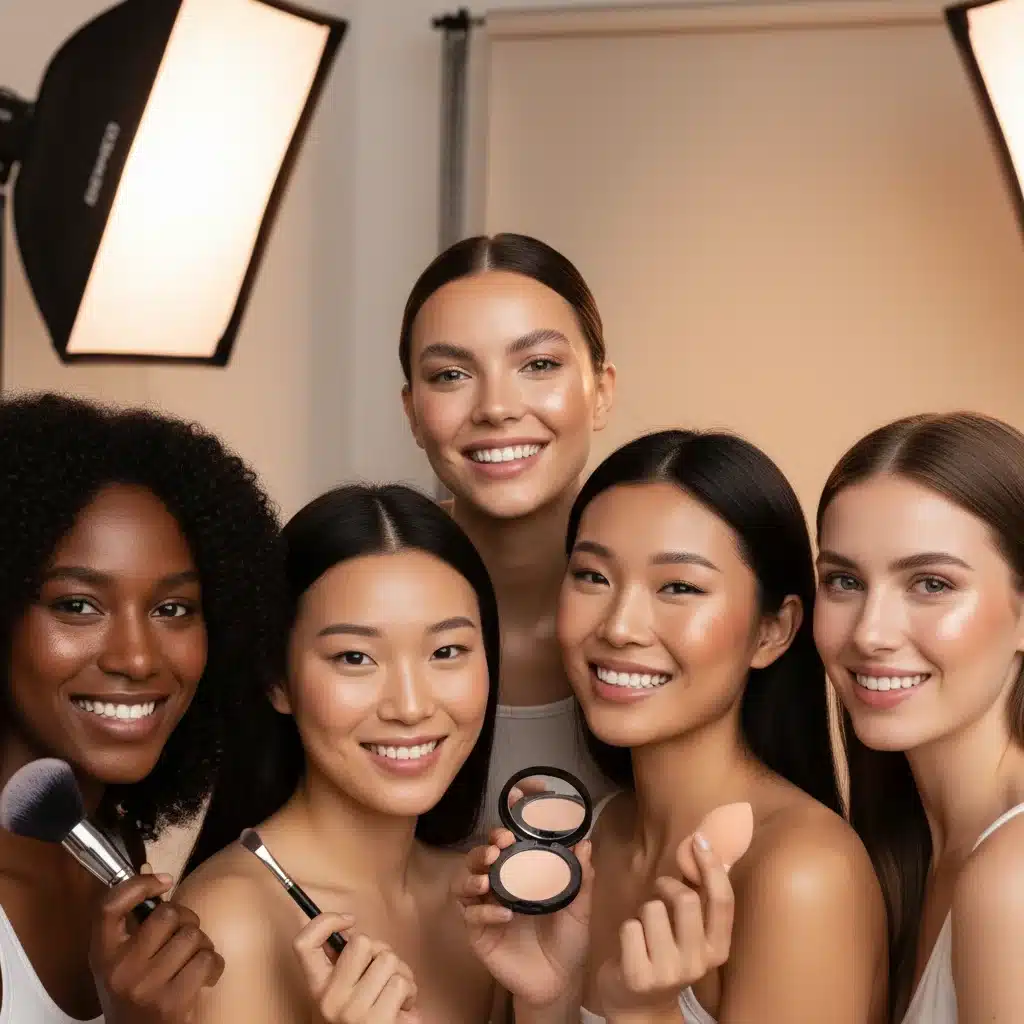
achieving flawless base makeup requires tailored skin prep, correct shade and texture matching, thin layered application with the right tools, precise color correction, and strategic setting to ensure natural, long-lasting coverage.
achieving flawless base makeup can feel like chasing perfection, yet tiny changes in prep and tools change everything. Want quick, real steps that suit your skin? Read on.
Choosing the right base for your skin type
achieving flawless base makeup starts with choosing a base that suits your skin. The right match saves time and prevents common makeup issues.
Identify your skin type
Check your skin after washing and waiting an hour. Pat with a tissue: oil shows for oily skin, dry patches point to dry skin, and a mix means combination.
Match texture and coverage
Think about finish and how much coverage you want. Lightweight formulas give a natural look; fuller coverage hides texture but can feel heavy.
- Oily skin: choose oil-free, matte or powder foundations and blurring primers to control shine.
- Dry skin: pick hydrating or dewy formulas, cream foundations, and moisturizing primers for a smooth finish.
- Combination skin: use water-based or cushion foundations; mattify the T-zone with powder only where needed.
- Sensitive or acne-prone: select non-comedogenic, fragrance-free formulas and mineral options when possible.
Consider your undertone when picking a shade. Check veins, try jewelry (gold vs. silver), and test shades along the jawline in natural light. Let swatches sit a few minutes to see if they oxidize.
Texture matters: serums and tinted moisturizers feel lightweight on dry skin, while stick or powder options work well for oily types. For mild redness or dark circles, use color correctors before foundation to reduce heavy layering.
Also think about wear: set oily skin with a light powder and use a setting spray for longevity on dry skin. Choose a formula with SPF if you need daytime protection, but test for flashback in photos.
Small tests at the counter help: apply one shade on the jaw, wear it for a few hours, and note how it feels and looks in real light.
achieving flawless base makeup becomes easier when you match texture, coverage and shade to your skin type. Prioritize skin health, test in real light, and choose formulas that work with your routine.
Prep routine that boosts makeup longevity
achieving flawless base makeup gets easier with a consistent prep routine. Simple, steady steps help your foundation stay even and fresh all day.
Start with clean skin and aim for light layers. That habit cuts cakiness and keeps color true.
Cleanse and prime the canvas
Use a gentle cleanser to remove oil and dirt without stripping the skin. Follow with a light exfoliant once or twice a week to smooth texture.
Choose the right moisturizer
Pick a moisturizer that fits your skin type and let it absorb fully before makeup. Hydrated skin stops foundation from clinging to dry patches.
- Oily skin: lightweight gel or water-based hydrators work best.
- Dry skin: richer creams or oil-based moisturizers add a smooth base.
- Combination skin: use a lighter formula on the T-zone and a richer one on dry areas.
- Sensitive skin: fragrance-free, soothing lotions reduce irritation.
After moisturizer, apply a primer suited to your concerns. A mattifying primer tames shine, while a hydrating primer adds glow. Use a pore-blurring primer only where needed to avoid heavy buildup.
Let each layer settle for 30–60 seconds. This short wait helps products bind to skin, so foundation blends without lifting previous layers.
Tools and application tips
Use the right tool for your chosen formula. A damp sponge gives a natural finish with liquid formulas, while dense brushes work for medium to full coverage.
- Tap foundation with a sponge for seamless coverage.
- Use light strokes with a brush to avoid streaks.
- Apply minimal product to start and build only where needed.
Consider thin layers and spot-conceal rather than stacking heavy foundation. This keeps the finish breathable and prevents settling into fine lines.
Set strategically: a light dusting of translucent powder on the T-zone controls oil, while a gentle setting spray locks everything without a powdery look. Carry blotting papers for quick touch-ups instead of reapplying powder.
For long wear, pick formulas labeled long-wear or transfer-resistant, and test them in natural light. Pay attention to SPF and flashback if you take photos.
achieving flawless base makeup depends on prep that respects your skin. Cleanse, hydrate, prime, and apply with the right tools—those steps make longevity and finish much easier to reach.
Application techniques for seamless, natural coverage

achieving flawless base makeup depends on how you apply products. Small shifts in movement and order make a big visual difference.
These techniques help you get a natural, seamless finish without masking your skin.
Tools that matter
Choose tools for the formula you use. Sponges, brushes and fingers each give a different result. Match tool to texture for the smoothest look.
How to apply for a natural finish
Start with a small amount of product. Apply thin layers and build only where you need more coverage. This keeps the finish light and even.
- Damp sponge: press and bounce to meld foundation into skin for a skin-like finish.
- Dense brush: buff in small circles for fuller, even coverage without streaks.
- Flat brush: use for precise application around the nose and under the eyes.
- Fingers: warm the product slightly and press it in for cream formulas.
Blend outward toward the jaw and hairline. That avoids a mask-like edge and keeps tone uniform. Match the neck in natural light to ensure a seamless transition.
For spot coverage, apply concealer after foundation only where needed. Pat the concealer in gently and avoid heavy layers under the eye to prevent creasing.
Layering and finish control
Layer products with purpose: primer first, foundation second, then concealer. Let each layer set briefly so it binds to the skin. This helps products sit well and last longer.
Adjust finish by area: set the T-zone lightly with translucent powder and leave cheeks dewy if that suits your skin. Use a setting spray at the end to melt powders into the skin and reduce a powdery look.
Watch for common pitfalls: over-blending can remove coverage, while dragging tools can create streaks. Use a gentle patting motion where you want coverage and soft buffing where you want to diffuse product.
achieving flawless base makeup is more about method than product. Apply in thin layers, use the right tool for each area, and blend outwards for a natural, seamless result.
Concealer and color correction made simple
achieving flawless base makeup often comes down to using the right concealer and color correction. Small fixes can erase redness, dark circles, and uneven tone without heavy product.
Focus on color, placement, and gentle blending to keep the skin looking natural.
When to use color correctors
Color correctors neutralize specific discoloration before you apply foundation or concealer. Use them sparingly to avoid extra layers.
- Green: reduces red spots and blemishes.
- Peach/Orange: cancels blue or purple under-eye circles on medium to dark skin.
- Yellow: tones down mild purple or sallowness on lighter skin.
- Purple/Lavender: brightens sallow or yellow-toned skin.
Apply a tiny dot on the exact area and blend with a small, soft brush or a fingertip. Let it sit briefly so it merges with the skin before foundation.
Choosing the right concealer
Pick a concealer one shade lighter than your foundation for brightening, or the same shade for covering blemishes. Match texture to need: creamy for dry skin, lightweight for oily skin.
For under eyes, a hydrating formula prevents creasing. For spots, a fuller coverage, matte finish works best to stay put.
- Undereye: use brightening concealer and pat gently to avoid tugging.
- Blemishes: use a small brush to layer product directly on the spot.
- Scars or pigmentation: thin layers and precise application prevent cakey buildup.
Blend outward from the center of the corrected area to avoid hard edges. Use light pressure and small motions to keep coverage even and natural.
If you use both color corrector and concealer, apply corrector first, blend, then layer a thin concealer over it. This keeps coverage efficient without a heavy finish.
Tools and finishing touches
Small brushes and a damp sponge are the most useful tools. Brushes give precision; sponges soften edges for a skin-like result.
Set only where needed: a tiny dusting of translucent powder under the eyes prevents creasing, while a setting spray can meld products into the skin for a natural look.
Test products in natural light and wear them a few hours to ensure no creasing or color shift. Adjust formulas as needed based on your skin type and climate.
Use minimal product and targeted placement to keep the face looking fresh. Simple steps and the right tools make achieving flawless base makeup with concealer and color correction straightforward and effective.
Setting, touch-ups and day-long wear tips
achieving flawless base makeup lasts when you set products the smart way. Small habits—like where and how you set—make a big difference for wear.
These tips focus on practical steps for keeping foundation fresh from morning to night.
Choose the right setting products
Not all setting items serve the same purpose. Pick a light translucent powder for oil control and a fine mist setting spray to blend layers.
- Translucent powder: use sparingly on the T-zone to control shine without dulling the skin.
- Setting spray: a few fine mists lock makeup and reduce powdery finish.
- Finishing powder or balm: for dry skin, a hydrating finishing product keeps dewiness intact.
Apply powder with a fluffy brush for a soft veil or a puff for stronger control. Lock with spray to fuse powders into the skin and avoid a cakey look.
Smart touch-ups during the day
Touch-ups should be minimal and targeted. Blotting papers remove oil without disturbing makeup; avoid piling powder over shiny areas repeatedly.
- Blot first: press blotting paper on oily zones before any powder.
- Spot powder: press a small amount of translucent powder only where needed.
- Refresh with spray: finish with a light mist to melt powders and revive the finish.
When covering a small smudge or flake, dab a tiny amount of foundation or concealer with a clean finger and set gently. This is better than reapplying a full layer.
For under-eye creasing, pat a thin layer of hydrating concealer and set with a very small amount of powder using a brush tip. A quick spray afterward reduces powder buildup.
Build an easy on-the-go kit
Keep a compact, blotting papers, a mini setting spray, and a small brush or sponge. These items handle most midday fixes in seconds.
- Blotting papers for quick oil removal.
- Mini translucent powder for light touch-ups.
- Travel-size setting spray to refresh and meld products.
Use neutral lighting when you can to check your base; phone selfies in daylight help spot uneven areas before you reach for too much product.
Weather matters: in humid heat favor blotting and spray; in dry cold skip heavy powders and rely on a setting spray or balm to prevent flaking.
Avoid overdoing it—too much powder or repeated layering can settle into lines. Instead, use thin corrections and finish with a mist to bring everything together.
Simple, targeted setting and smart touch-ups help with achieving flawless base makeup all day. With a small kit and a few quick moves, you can keep your base looking fresh from morning to night.
Keep it simple: prep well, match products to your skin, apply in thin layers, correct only where needed, and set smartly. Small habits—testing shades in natural light, using the right tools, and carrying a tiny touch-up kit—make achieving flawless base makeup realistic for everyday wear.
FAQ – Achieving Flawless Base Makeup
How do I choose the right foundation for my skin type?
Identify your skin as oily, dry, combination or sensitive, test shades on your jaw in natural light, and match texture and coverage to your needs.
What prep steps help makeup last all day?
Cleanse, hydrate, use a suitable primer, apply thin layers, set the T-zone lightly, and finish with a setting spray.
Which tools give the most natural finish?
A damp sponge blends liquids for a skin-like finish, a dense brush buffs for fuller coverage, and fingers warm and press creams.
How can I correct redness and dark circles without cakey results?
Use color correctors sparingly, apply concealer in thin layers, blend gently, and set only where needed to avoid buildup.