In the ever-evolving landscape of professional environments, one phrase continues to spark confusion, debate, and sometimes, outright panic: ‘Business Casual.’ What once implied a slightly relaxed version of traditional business attire has transformed dramatically over the years, especially in the wake of global shifts in work culture and the rise of hybrid models. As we navigate 2026, understanding what ‘Business Casual’ truly means is more crucial than ever. This isn’t just about avoiding a fashion faux pas; it’s about projecting confidence, respect, and adaptability in a professional world that values both polish and practicality. This comprehensive guide will dissect the modern interpretation of Business Casual 2026, offering actionable insights and stylish solutions to ensure you’re always dressed for success.
The Great Evolution: From Stuffy Suits to Smart Comfort
To truly grasp Business Casual 2026, we must first acknowledge its journey. Originating in the 1980s as a way to allow employees more comfort on Fridays, it initially meant ditching the tie and perhaps wearing a polo shirt. The 90s saw khakis and collared shirts dominate. The 2000s brought in more denim and less structure. Today, the definition is far more nuanced, reflecting a blend of professionalism, individual expression, and the practicalities of a hybrid workspace. The rigid lines between ‘work clothes’ and ‘casual clothes’ have blurred considerably, yet the essence of professionalism remains.
The shift isn’t merely aesthetic; it’s deeply rooted in societal changes. The tech industry, with its emphasis on innovation and less formal hierarchies, played a significant role in popularizing more relaxed dress codes. The COVID-19 pandemic further accelerated this trend, as remote work made comfort a paramount consideration. Now, as many return to offices or embrace hybrid models, the challenge is to marry the comfort of home with the decorum required for client meetings, presentations, and team collaborations. This is where the modern interpretation of Business Casual 2026 truly shines, offering flexibility without sacrificing credibility.
Understanding your industry and company culture is the first, and perhaps most important, step. A startup in Silicon Valley will likely have a vastly different interpretation of business casual than a traditional law firm or a financial institution. While this guide provides general principles, always observe what your colleagues and superiors are wearing. When in doubt, it’s always safer to err on the side of slightly more formal than too casual. The goal is to look polished, put-together, and appropriate for your specific professional environment.
Key Principles of Business Casual 2026
Despite its fluidity, certain foundational principles underpin the Business Casual 2026 aesthetic:
- Polished Presentation: Clothes should be clean, wrinkle-free, and well-maintained. This is non-negotiable.
- Comfort and Functionality: Given the demands of modern work, comfort is key, but it shouldn’t come at the expense of professionalism. Think stretch fabrics, breathable materials, and comfortable shoes.
- Quality Over Quantity: Investing in a few high-quality, versatile pieces will serve you better than a wardrobe full of fast-fashion items.
- Appropriate Fit: Ill-fitting clothes, whether too tight or too baggy, detract from a professional appearance. Tailoring can make a significant difference.
- Strategic Layering: This allows for adaptability to different temperatures and situations, and adds depth to an outfit.
- Attention to Detail: Accessories, grooming, and footwear can elevate an otherwise simple outfit.
These principles form the bedrock of a successful Business Casual 2026 wardrobe. They allow for personal expression within professional boundaries, ensuring you always look competent and stylish.
For Her: Mastering the Modern Business Casual Aesthetic
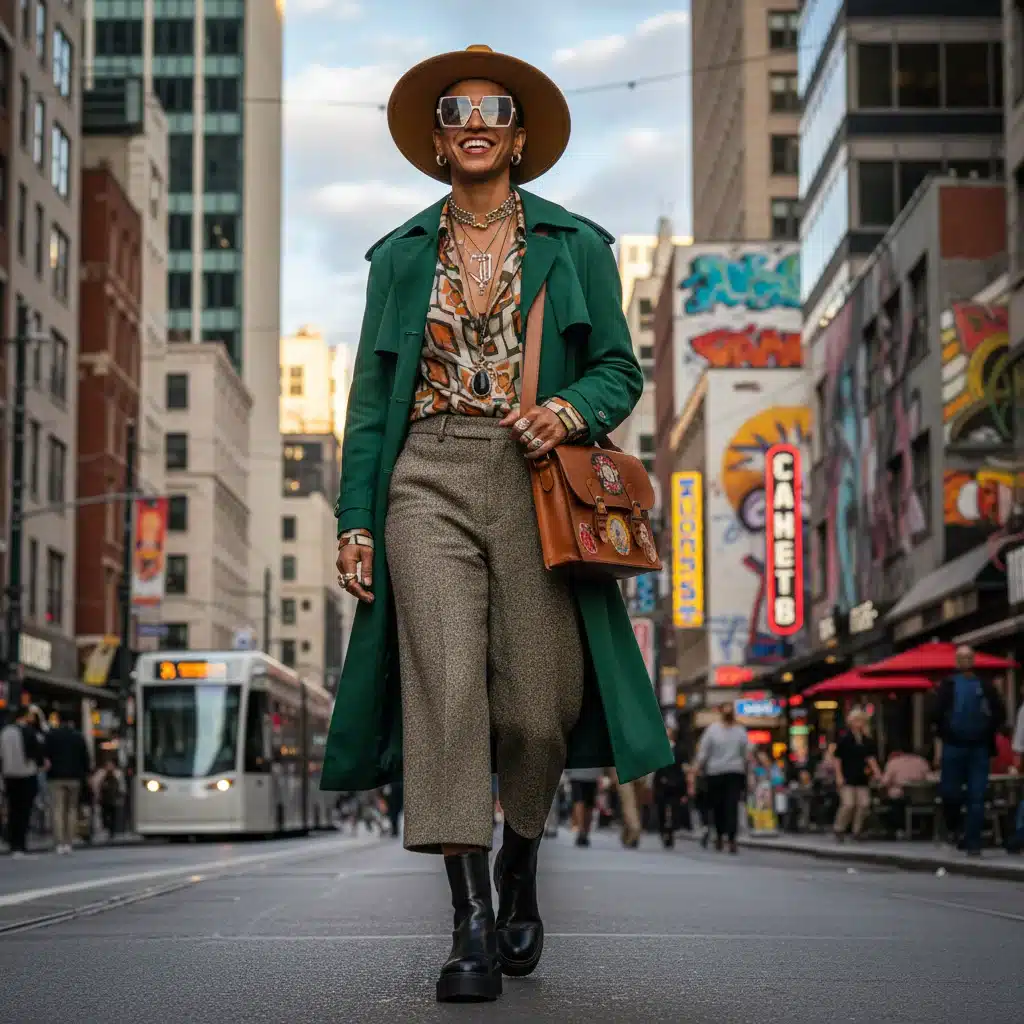
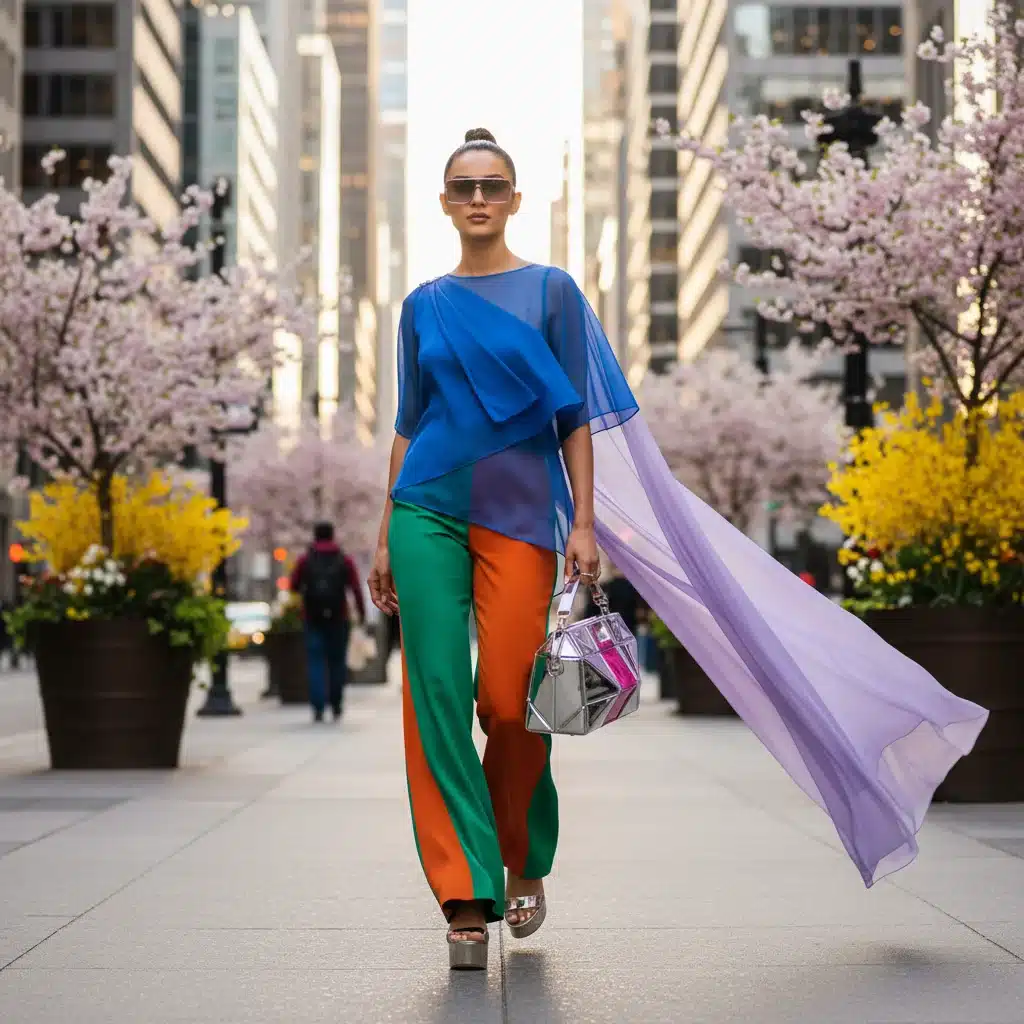
For women, the options within Business Casual 2026 are vast and exciting, offering opportunities to blend contemporary trends with timeless professionalism. The key is balance – pairing structured pieces with softer ones, and formal elements with comfortable textures.
Tops: Beyond the Basic Blouse
- Blouses and Shirts: While classic button-downs remain a staple, consider silk blouses, elegant knit tops, or blouses with subtle patterns or interesting necklines. Avoid overly sheer fabrics or deep necklines.
- Sweaters and Cardigans: Fine-gauge knit sweaters, cashmere blends, or elegant cardigans are perfect for layering. Turtlenecks and mock necks can also look incredibly chic and professional.
- Polished T-shirts and Shells: High-quality, thick cotton or silk-blend T-shirts and shell tops can be worn under blazers or cardigans. Ensure they are opaque and well-fitted, not stretched or faded.
Bottoms: The New Staples
- Tailored Trousers: Wide-leg, straight-leg, or slim-fit trousers in wool, crepe, or quality blends are excellent choices. Colors like black, navy, charcoal, and even subtle pinstripes are versatile.
- Skirts: Pencil skirts, A-line skirts, or midi skirts in professional fabrics are ideal. Ensure the length is appropriate – generally knee-length or longer.
- Dresses: Sheath dresses, A-line dresses, or wrap dresses in solid colors or subtle prints are perfect. Pair them with a blazer or cardigan for a more formal touch.
- Dark-Wash Smart Jeans: This is where Business Casual 2026 has truly evolved. Dark-wash, well-fitting jeans without distressing or rips are increasingly acceptable in many creative or less formal environments. Pair them with a blazer and polished top to elevate the look. Always assess your workplace culture before opting for jeans.
Outerwear: The Essential Layers
- Blazers: A well-tailored blazer is the cornerstone of a business casual wardrobe. It instantly elevates any outfit. Experiment with different colors and fabrics beyond traditional black and navy, such as tweed, linen blends, or subtle checks.
- Structured Cardigans: A heavier, more structured cardigan can sometimes substitute for a blazer, offering a softer yet still polished look.
- Trench Coats: A classic trench coat adds a sophisticated layer for commuting or cooler days.
Footwear and Accessories: The Finishing Touches
- Shoes: Closed-toe heels (not too high), loafers, ballet flats, stylish ankle boots, or polished sneakers (clean and minimalist) are all acceptable. Avoid overly casual sandals, flip-flops, or overly distressed sneakers.
- Bags: A structured tote bag, a sophisticated shoulder bag, or a sleek briefcase completes the professional look.
- Jewelry: Keep jewelry refined and understated. A few statement pieces are fine, but avoid anything overly distracting or noisy.
- Belts: A quality leather belt can pull an outfit together.
For Him: Navigating Modern Professional Style
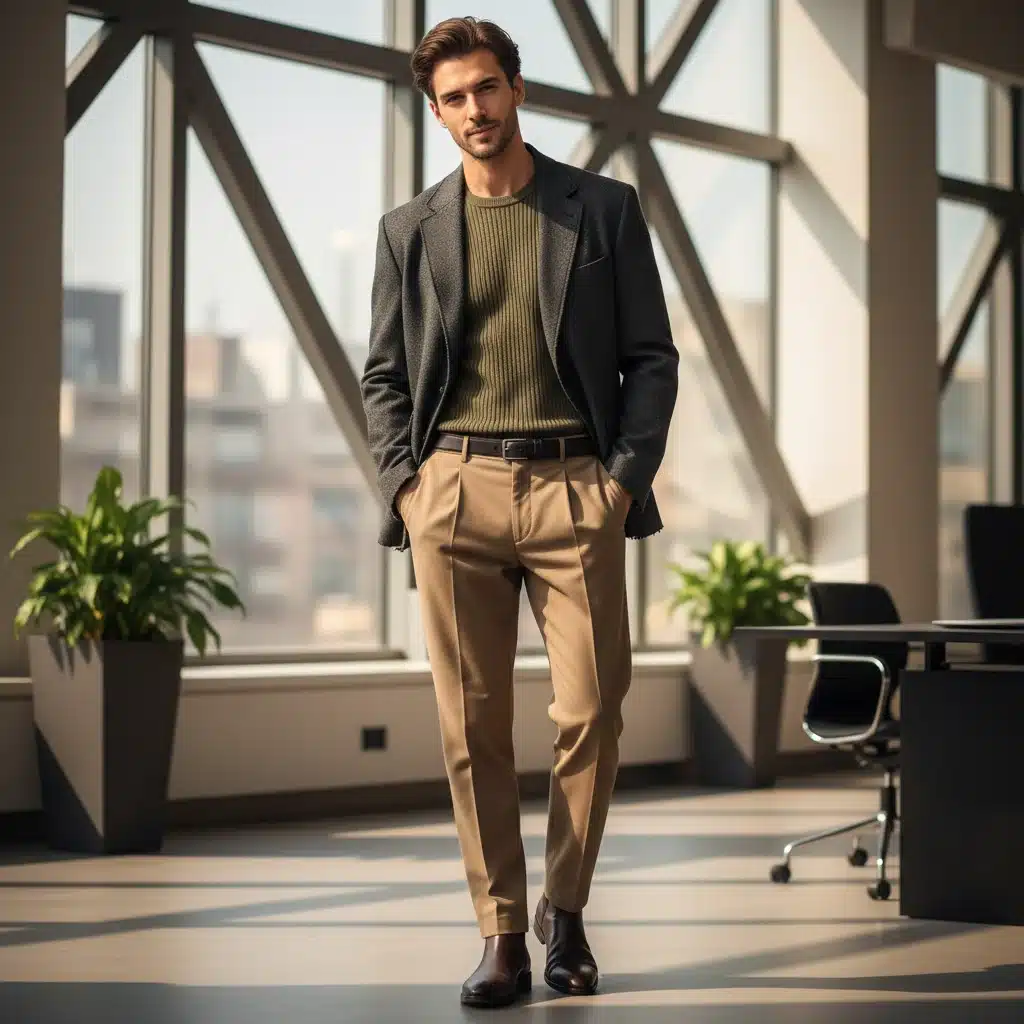
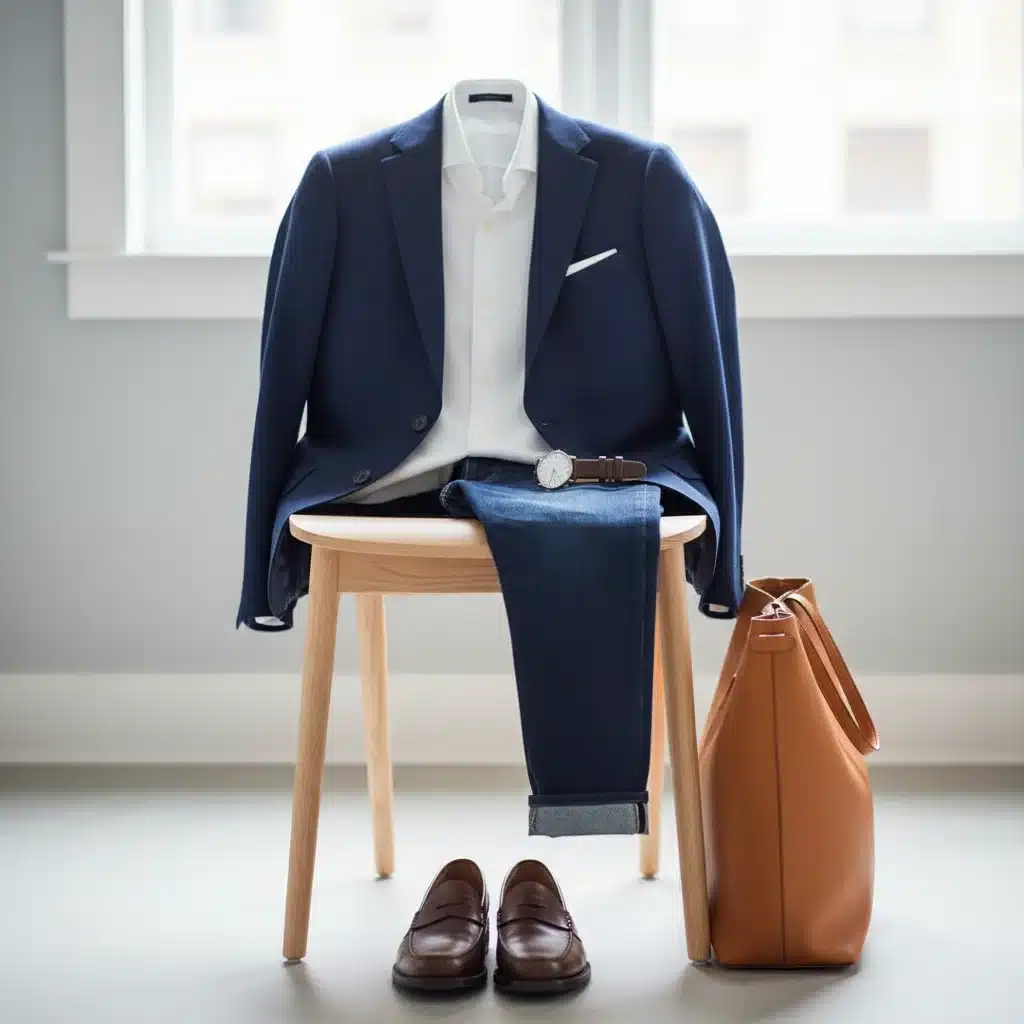
For men, Business Casual 2026 offers a comfortable yet sharp alternative to traditional suits. The emphasis is on well-fitting garments, quality fabrics, and smart layering.
Tops: The Foundation of Your Look
- Collared Shirts: Button-down shirts in solid colors, subtle patterns (like gingham or stripes), or chambray are excellent. Ensure they are ironed and fit well.
- Polos: High-quality polo shirts in fine cotton or merino wool can be acceptable, especially in warmer climates or more relaxed offices. Avoid overly sporty or branded polos.
- Sweaters: Crew-neck, V-neck, or quarter-zip sweaters in fine-gauge knits (merino wool, cashmere, cotton blends) are perfect for layering over collared shirts.
- Dressier T-shirts: Similar to women’s attire, a well-made, opaque, well-fitting T-shirt (perhaps a heavier cotton or a blend) can be worn under a blazer or open button-down in very casual business environments. This is a newer addition to Business Casual 2026 and requires careful consideration of your workplace.
Bottoms: Beyond the Khaki
- Chinos: Well-fitting chinos in classic colors like khaki, navy, olive, or grey are a business casual staple.
- Dress Trousers: Wool or wool-blend dress trousers are a more formal option that still fits within the business casual spectrum.
- Dark-Wash Smart Jeans: Like for women, dark-wash, non-distressed, well-fitting jeans are becoming more common. They should look crisp and polished, not like weekend wear. Always pair them with a more formal top and polished shoes.
Outerwear: The Polishing Layer
- Blazers: A sport coat or blazer is arguably the most important item for men in a business casual wardrobe. It instantly elevates any outfit. Consider wool, tweed, linen, or cotton blazers in versatile colors.
- Cardigans: A fine-gauge cardigan can provide a sophisticated layering option.
Footwear and Accessories: The Details Matter
- Shoes: Loafers, Oxfords, Derbies, Chelsea boots, or clean, minimalist leather sneakers are all appropriate. Avoid overly athletic sneakers, flip-flops, or sandals.
- Belts: A good quality leather belt that matches your shoes is essential.
- Watches: A classic watch adds a touch of sophistication.
- Bags: A leather messenger bag, briefcase, or a stylish backpack can complete the look.
The Hybrid Work Factor: Dressing for Both Worlds
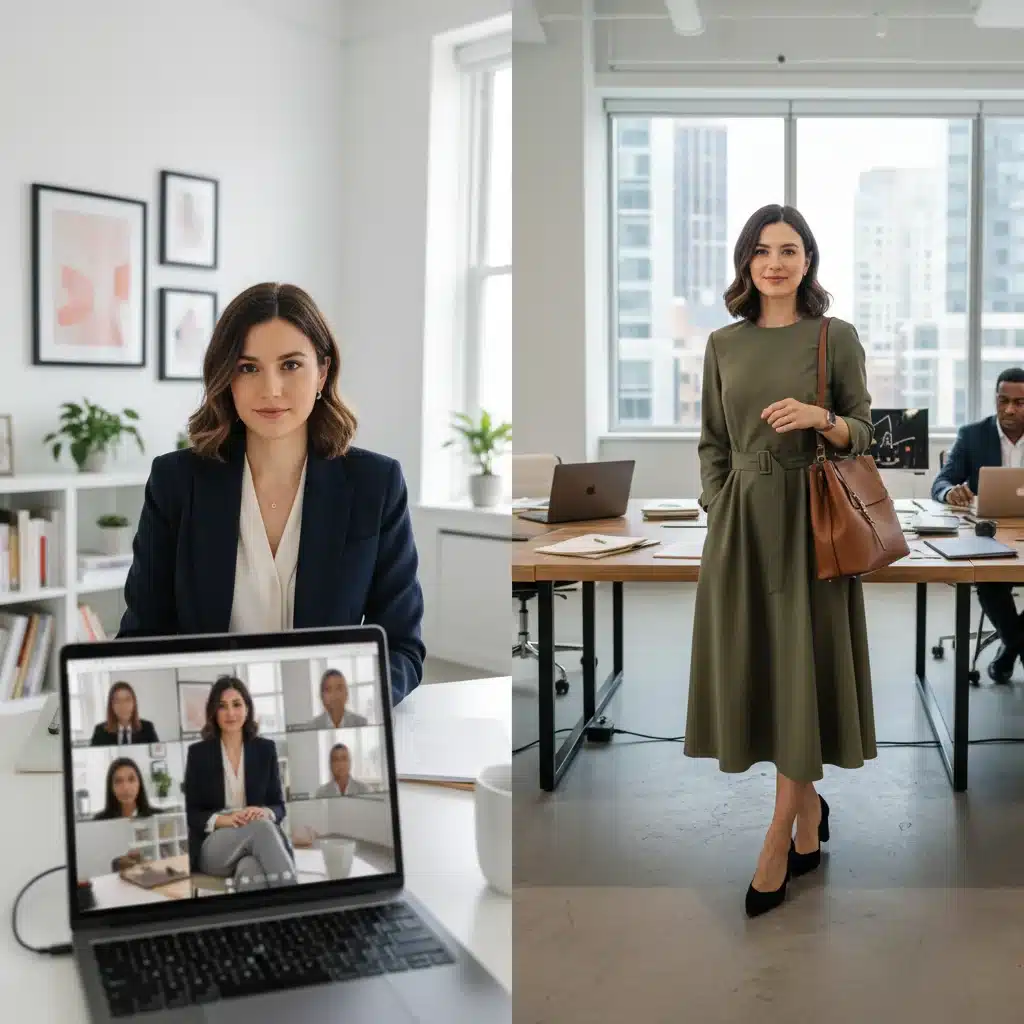
The rise of hybrid work models has added another layer of complexity to Business Casual 2026. One day you might be in the office, presenting to clients, and the next you’re on a video call from your home office. Your wardrobe needs to be adaptable.
Mastering the Virtual Meeting Look
For video calls, the focus is typically from the waist up. This allows for a degree of comfort below the camera’s view, but it’s crucial to still look professional on screen. Think polished tops, blazers, or smart sweaters. Ensure your background is tidy and well-lit. While you might be wearing sweatpants off-camera, the visible portion of your outfit should align with Business Casual 2026 standards.
Seamless Transitions for In-Office Days
When heading into the office, your entire outfit needs to be cohesive and appropriate. This is where versatile pieces shine. A blazer that can be easily thrown over a smart top, trousers that pair well with both sneakers and loafers, and dresses that can be dressed up or down with accessories are invaluable. The goal is to build a wardrobe that allows you to easily switch between your home office setup and an in-person meeting without a complete overhaul.
Fabrics and Textures: The Unsung Heroes of Business Casual 2026
The choice of fabric plays a significant role in how comfortable and professional your Business Casual 2026 attire appears. High-quality materials not only look better but also tend to last longer and maintain their shape, reducing wrinkles and wear.
Key Fabrics to Look For:
- Wool and Wool Blends: Excellent for trousers, skirts, and blazers. They drape beautifully, resist wrinkles, and are durable. Lightweight wools are suitable for year-round wear.
- Cotton: A versatile fiber. Look for high-quality cotton in button-downs, polo shirts, and chinos. Avoid overly thin or sheer cottons that can look too casual. Mercerized cotton has a smoother, more lustrous finish.
- Linen and Linen Blends: Perfect for warmer weather. While linen naturally wrinkles, a blend can minimize this. It offers a sophisticated, relaxed elegance.
- Silk and Silk Blends: Ideal for blouses, scarves, and soft knitwear. Silk adds a touch of luxury and drapes beautifully.
- Rayon, Tencel, and Modal: These semi-synthetic fibers are known for their softness, breathability, and drape, making them excellent choices for blouses, dresses, and soft trousers.
- Cashmere and Fine Merino Wool: For sweaters and cardigans, these natural fibers offer unparalleled softness, warmth, and a refined appearance.
- Ponte Knit: A thicker, double-knit fabric that is incredibly comfortable, resistant to wrinkling, and holds its shape well. Great for dresses, skirts, and structured pants.
Avoiding overly synthetic, shiny, or cheap-looking fabrics is crucial. They can often detract from an otherwise well-chosen outfit. Prioritizing natural fibers and high-quality blends will always elevate your Business Casual 2026 look.
The Pitfalls to Avoid: What’s NOT Business Casual in 2026
While the definition of Business Casual 2026 is more flexible than ever, there are still clear boundaries. Knowing what to avoid is as important as knowing what to wear.
- Tattered or Distressed Clothing: This includes ripped jeans, frayed hems, or clothes with visible stains or holes.
- Athletic Wear: Unless your job specifically involves fitness, gym shorts, athletic leggings, overly branded sportswear, or performance sneakers (unless very minimalist and clean) are generally not appropriate.
- Beachwear/Resort Wear: Flip-flops, tank tops (unless layered under a blazer), swim shorts, or overly revealing clothing.
- Lounge Wear: Pajama pants, overly baggy sweatpants, or sleepwear-inspired clothing.
- Graphic T-shirts: Unless it’s a very subtle, artistic graphic in a creative industry, avoid T-shirts with large logos, slogans, or band prints.
- Excessive Revealing Clothing: Plunging necklines, overly short skirts, or sheer fabrics without appropriate layering are usually considered unprofessional.
- Unkempt Appearance: Wrinkled clothes, untidy hair, or neglected personal hygiene can undermine even the most expensive outfit.
When in doubt, always consider the impression you want to make. Your attire should convey professionalism, respect for your workplace, and confidence in your abilities. If an item feels too casual for a client meeting, it’s probably too casual for a standard business casual day.
Building Your Business Casual 2026 Capsule Wardrobe
A capsule wardrobe approach is excellent for navigating Business Casual 2026. By focusing on versatile, interchangeable pieces in a cohesive color palette, you can create numerous outfits with fewer items.
Essential Items for Her:
- 2-3 tailored blazers (e.g., black, navy, neutral)
- 3-4 polished blouses/shirts (e.g., white, light blue, a subtle pattern)
- 2-3 fine-gauge knit sweaters/cardigans
- 2-3 pairs of tailored trousers (e.g., black, grey, navy)
- 1-2 versatile skirts or dresses
- 1 pair of dark-wash smart jeans (optional, depending on workplace)
- 1-2 pairs of professional shoes (e.g., loafers, low heels, stylish flats)
- 1 structured handbag
- Minimalist jewelry and a quality belt
Essential Items for Him:
- 2-3 sport coats/blazers (e.g., navy, charcoal, tweed)
- 3-4 button-down collared shirts (e.g., white, light blue, subtle stripe)
- 2-3 fine-gauge knit sweaters (crew-neck or V-neck)
- 2-3 pairs of chinos or dress trousers (e.g., khaki, navy, grey)
- 1 pair of dark-wash smart jeans (optional, depending on workplace)
- 1-2 pairs of professional shoes (e.g., loafers, Oxfords, clean minimalist sneakers)
- 1 quality leather belt
- A classic watch
By building a capsule wardrobe, you simplify your morning routine, reduce decision fatigue, and ensure that most of your pieces can be mixed and matched, giving you a fresh look every time without needing an extensive collection. This strategic approach ensures your Business Casual 2026 wardrobe is both functional and fashionable.
Personal Style Within Professional Bounds
While dress codes provide guidelines, Business Casual 2026 still leaves ample room for personal expression. Your style is a part of your professional brand, and it can set you apart. The trick is to infuse your personality subtly and appropriately.
- Color Palettes: While neutrals are safe, don’t shy away from incorporating a pop of color through a blouse, a tie, a scarf, or even a blazer. Choose colors that complement your skin tone and reflect your personality, ensuring they remain professional.
- Patterns and Textures: Subtle patterns like pinstripes, checks, houndstooth, or small floral prints can add visual interest. Mixing textures, such as a silk blouse with a wool blazer, or a fine-gauge knit with smart denim, creates depth.
- Accessories: This is where you can truly let your individual style shine. A unique watch, a statement necklace, an interesting pair of cufflinks, or a vibrant scarf can elevate a simple outfit and reflect your personal aesthetic without being distracting.
- Fit and Silhouette: Modern business casual favors clean lines and well-tailored silhouettes. However, you can choose cuts that flatter your body type and make you feel confident, whether that’s a wide-leg trouser or a slim-fit chino.
Remember, the goal is to enhance your professional image, not detract from it. Your personal style should complement your competence and professionalism, making you feel confident and authentic in your workspace. This balance is at the heart of successful Business Casual 2026 dressing.
Conclusion: Embracing the Future of Professional Attire
The concept of Business Casual 2026 is a testament to the dynamic nature of the modern workplace. It’s a dress code that has evolved from a simple relaxation of formal wear into a sophisticated blend of comfort, professionalism, and individual style. Mastering it requires an understanding of your industry, your company culture, and a keen eye for quality and fit.
By focusing on polished presentation, versatile pieces, appropriate fabrics, and strategic layering, you can build a wardrobe that serves you well in any professional scenario, from virtual meetings to in-person presentations. Embrace the flexibility it offers, but always remember that the underlying principle is to convey respect and competence. With the insights provided in this guide, you are now equipped to navigate the nuances of Business Casual 2026 with confidence and flair, ensuring you always make a positive and lasting impression.
Stay stylish, stay professional, and confidently embrace the new era of workplace fashion.