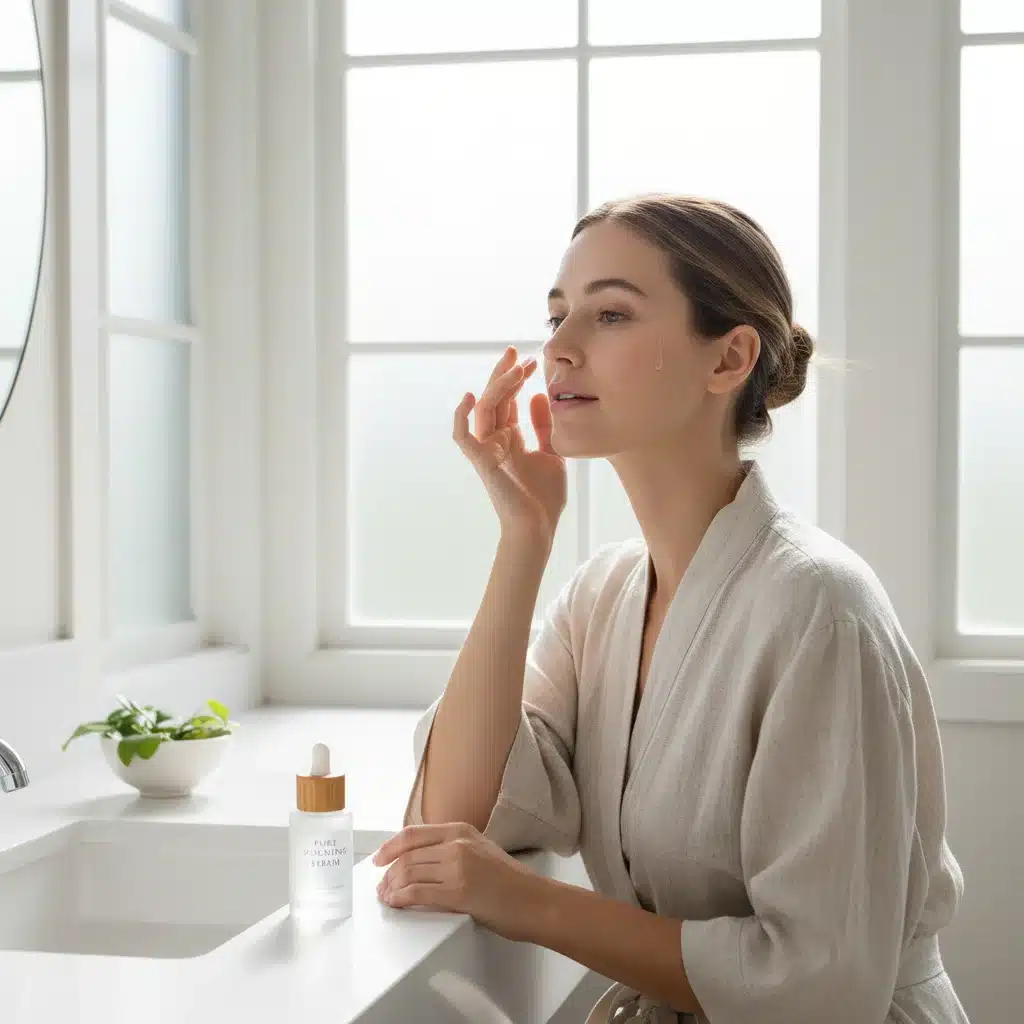
A ceramide moisturizer and skin barrier repair routine for cold weather can help reduce dryness, support moisture retention, and improve skin comfort during winter. By combining gentle cleansing, barrier-supporting ingredients, and consistent moisturizing habits, it is possible to maintain healthier-looking skin despite cold temperatures and dry indoor air.
As temperatures fall across the United States, skincare routines often need a few adjustments. Cold outdoor conditions, reduced humidity, and indoor heating can make the skin feel tighter, rougher, and more uncomfortable than usual. Developing a ceramide moisturizer and skin barrier repair routine for cold weather is one way to address these seasonal changes without introducing an unnecessarily complicated collection of skincare products.
Ceramides have become important ingredients in modern moisturizers because they are naturally present in the outer layer of human skin. Alongside cholesterol and fatty acids, these lipids help maintain the protective structure that limits moisture loss and supports normal skin function.
When skin becomes excessively dry, it may develop visible flaking, irritation, or a sensation of tightness. A properly formulated moisturizer can help improve hydration and reduce some of these symptoms, particularly when used alongside gentle cleansing and protective daily habits.
However, skin barrier care involves more than purchasing a cream labeled with ceramides. Water temperature, cleansing frequency, product ingredients, environmental conditions, and existing skin concerns all influence how the skin responds.
This guide explains the role of ceramides, how to create practical morning and evening routines, and which winter skincare habits dermatologists recommend for maintaining comfortable, moisturized skin.
Why cold weather can affect the skin barrier
Healthy skin has a protective outer layer that helps regulate moisture and limits exposure to environmental irritants. This outermost layer of the epidermis is known as the stratum corneum.
It contains flattened skin cells surrounded by a complex mixture of lipids. Together, these structures help prevent excessive water loss while maintaining the skin’s normal protective functions.
During winter, several environmental factors can interfere with this balance.
Cold outdoor air and reduced humidity
Cold air often contains less moisture than warmer air. When environmental humidity is low, water can evaporate from the skin more readily, contributing to dryness.
People living in regions with particularly cold winters may notice that exposed areas, such as the face and hands, become uncomfortable after spending time outdoors.
Wind can also intensify the sensation of dryness and irritation, especially when the skin is already sensitive.
Indoor heating and temperature changes
Returning indoors does not always eliminate the problem.
Heating systems can reduce relative indoor humidity, creating conditions that make dry skin more difficult to manage.
Moving repeatedly between cold outdoor environments and heated rooms may further increase discomfort for people with sensitive skin.
According to the American Academy of Dermatology, adapting skincare habits to seasonal conditions can help reduce dryness and protect the skin during winter.
What are ceramides and why does the skin need them?
Ceramides are a group of naturally occurring lipid molecules that contribute to the structure of the skin’s outer protective layer.
They work alongside other lipids, including cholesterol and free fatty acids, to form an organized barrier around skin cells.
This arrangement helps reduce transepidermal water loss, a term describing the movement of water from the skin into the surrounding environment.
Understanding the skin barrier
A useful way to visualize the outer skin layer is to imagine a brick wall.
The skin cells function somewhat like bricks, while the surrounding lipids help fill the spaces between them.
If the organization of these lipids is disrupted, the skin may become less effective at retaining moisture and protecting itself from certain environmental substances.
Ceramide-containing moisturizers are designed to support this protective structure.
What research says about ceramide formulations
A scientific review published in 2024 examined the role of ceramides in skin barrier function and emphasized the importance of appropriate cosmetic formulation.
The research explains that ceramides contribute to the lipid structures responsible for limiting water evaporation.
However, the effectiveness of a finished product depends on more than the presence of ceramides on an ingredient label.
The concentration, formulation process, and combination with other ingredients can influence how the product performs.
Readers interested in the scientific background can consult the research indexed by the National Library of Medicine.
How to recognize signs of an uncomfortable skin barrier
Winter dryness does not always appear the same way on every complexion.
Some people experience visible flakes or rough patches, while others notice persistent tightness after washing their faces.
Skin may also sting when products are applied, particularly if the area is already irritated.
Common symptoms associated with dry skin
- Tightness: The skin feels uncomfortable, especially after cleansing.
- Rough texture: Certain areas feel less smooth than usual.
- Flaking: Small pieces of dry skin become noticeable.
- Itching: Dryness causes an urge to scratch.
- Increased sensitivity: Products that were previously comfortable may begin to sting.
- Cracking: More severe dryness can produce painful splits in the skin.
- Color changes: Irritation may appear pink or red on lighter skin and darker, purple, grayish, or otherwise discolored on deeper skin tones.
These symptoms can occur with ordinary dryness, but they may also be associated with eczema, contact dermatitis, psoriasis, or other skin conditions.
A moisturizer can support comfort, but it cannot independently diagnose or treat every cause of irritation.
Choosing a ceramide moisturizer for winter
The right moisturizer depends on individual skin characteristics, product formulation, and the degree of dryness.
There is no single texture that works equally well for everyone.
For people experiencing significant winter dryness, dermatologists generally recommend considering richer creams or ointments rather than relying exclusively on lightweight lotions.
Look for ceramides in a suitable formula
Skincare labels may identify ingredients such as ceramide NP, ceramide AP, or ceramide EOP.
These names represent different ceramide types used in cosmetic formulations.
However, consumers should avoid assuming that a product containing a greater number of listed ceramides is automatically more effective.
The overall formulation, compatibility with the skin, and consistent use matter more than a long ingredient list.
Other moisturizing ingredients worth understanding
- Glycerin: A humectant that helps attract and retain water within the outer skin layers.
- Hyaluronic acid: Helps support hydration by binding water.
- Petrolatum: An occlusive ingredient that can reduce moisture evaporation.
- Dimethicone: A silicone-based ingredient that can help form a protective layer on the skin.
- Squalane: An emollient commonly used to improve softness and comfort.
- Shea butter: Provides emollient properties and contributes to richer moisturizer textures.
- Cholesterol and fatty acids: Lipids that may complement ceramides in barrier-supporting formulations.
For dry or sensitive skin, a fragrance-free formulation may be particularly useful.
The American Academy of Dermatology’s moisturizer selection guide identifies ceramides and other moisture-supporting ingredients as useful options for managing dryness.
Morning ceramide skincare routine for cold weather
A winter morning routine does not have to include multiple serums, exfoliating treatments, and specialty products.
For skin experiencing dryness or sensitivity, a simple approach may be easier to maintain and less likely to introduce unnecessary irritation.
Step 1: Cleanse gently
Begin by evaluating whether the face actually requires a cleanser in the morning.
Some people may prefer rinsing with lukewarm water, especially if their skin feels unusually dry.
Others may benefit from a small amount of gentle facial cleanser to remove accumulated oil or skincare residue.
Choose a fragrance-free product designed for sensitive skin when appropriate.
Avoid harsh scrubbing or repeatedly washing the same area.
Step 2: Leave the skin slightly damp
After cleansing, gently pat the face with a clean towel.
The skin does not need to become completely dry before applying moisturizer.
Applying moisturizing products while the skin remains slightly damp can help retain some of the water present on the surface.
This technique is consistent with dermatologist recommendations for reducing moisture loss after washing.
Step 3: Apply ceramide moisturizer
Spread an appropriate amount of moisturizer over the face and other areas that feel dry.
Use gentle movements rather than rubbing aggressively.
Pay attention to places that commonly become uncomfortable during winter, such as the cheeks and areas around the mouth.
Avoid getting products into the eyes unless they are specifically formulated for the eye area.
The objective is to leave the skin comfortably moisturized without creating an unnecessarily heavy layer.
Step 4: Finish with sunscreen
Cold weather does not eliminate exposure to ultraviolet radiation.
Snow can reflect sunlight, and UV exposure remains relevant during outdoor activities throughout the year.
For exposed skin, the American Academy of Dermatology recommends a broad-spectrum, water-resistant sunscreen with an SPF of at least 30.
Apply sunscreen after moisturizer as directed by the product instructions.
When spending time outdoors, reapply according to the label, generally every two hours and after activities that remove the product.
Additional sun protection recommendations are available through the American Academy of Dermatology.
Evening routine to support the skin barrier overnight
The evening offers another opportunity to reduce dryness and maintain a consistent moisturizing habit.
After a day involving outdoor temperatures, indoor heating, sunscreen, and other environmental exposures, gentle cleansing may help prepare the skin for moisturizer.
Step 1: Remove sunscreen and makeup
Use a gentle cleanser suitable for the products worn during the day.
If makeup or water-resistant sunscreen is difficult to remove, a compatible makeup remover may be useful before the regular cleansing step.
However, cleansing twice is not mandatory for everyone.
The goal is to remove accumulated products without leaving the skin feeling stripped or uncomfortable.
Step 2: Avoid unnecessary exfoliation
When the skin is already dry, rough, or stinging, exfoliating acids and abrasive scrubs may increase irritation.
Temporarily simplifying the routine can make it easier to identify which products are comfortable.
Those using prescription acne or other dermatologic treatments should consult their prescribing clinician before discontinuing or changing medication.
Step 3: Use a comfortable moisturizing layer
Apply a ceramide-containing cream after cleansing, ideally while the skin still retains a little moisture.
People with more substantial dryness may prefer a richer texture at night than during the day.
A moisturizer should feel comfortable and should not consistently cause significant burning or worsening irritation.
Step 4: Consider extra protection for dry areas
Some people develop particularly dry patches around the lips or other exposed areas.
A small amount of plain petroleum jelly may help limit moisture loss from appropriate areas of intact skin.
However, thick occlusive products are not suitable for every skin concern, and individuals prone to certain breakouts may prefer different formulations.
Persistent cracks, inflammation, or painful lesions should be assessed by a healthcare professional rather than repeatedly covered with additional cosmetic products.
How often should ceramide moisturizer be applied?
Most winter skincare routines benefit from regular moisturizing rather than occasional application when dryness becomes severe.
For many people, applying moisturizer in the morning and evening provides a reasonable starting point.
However, some individuals may need to moisturize more frequently, particularly after washing their hands or bathing.
Situations when another application may be helpful
- After washing the face or hands.
- Immediately following a shower or bath.
- When the skin begins to feel noticeably tight.
- After exposure to cold wind.
- When particularly dry areas become uncomfortable.
The ideal frequency depends on the product and individual skin needs.
There is no universal requirement to apply ceramides a specific number of times per day for every person.
Why shorter, lukewarm showers can make a difference
Hot showers often feel appealing during winter, but prolonged exposure to hot water can worsen dryness.
Frequent washing may remove some of the substances that naturally help the skin remain comfortable.
Dermatologists recommend using warm rather than hot water and limiting showers or baths to approximately five to ten minutes when managing dry skin.
Winter bathing habits worth adopting
- Keep showers relatively short.
- Use lukewarm water instead of very hot water.
- Choose gentle cleansers without added fragrance.
- Avoid aggressively scrubbing dry areas.
- Pat the skin dry instead of rubbing with a towel.
- Apply moisturizer promptly after bathing.
These habits can support the benefits of a ceramide moisturizer by reducing unnecessary moisture loss.
The American Academy of Dermatology’s dry skin recommendations provide additional practical guidance.
Ingredients that may be irritating during winter
Many skincare ingredients serve useful purposes, but some can become difficult to tolerate when the skin is unusually dry or sensitive.
Products containing strong exfoliating ingredients, fragrance, or certain alcohol-based formulations may contribute to discomfort in susceptible individuals.
This does not mean every active ingredient is harmful or that effective skincare requires permanently avoiding exfoliation.
The most appropriate routine depends on individual skin conditions and product tolerance.
Products worth reviewing during a period of irritation
- Strong exfoliating acids: Frequent use of certain alpha-hydroxy and beta-hydroxy acids may worsen dryness.
- Physical scrubs: Abrasive particles can increase discomfort on irritated skin.
- Fragranced products: Fragrance ingredients can trigger irritation or allergic reactions in some individuals.
- Alcohol-heavy formulas: Certain products may leave already dry skin feeling more uncomfortable.
- Retinoids: These can cause dryness and peeling, particularly when starting treatment or using them too frequently.
- Multiple active treatments: Combining several potentially irritating products may make it harder to identify the cause of symptoms.
People who use prescription treatments should seek professional guidance before changing their medical skincare routine.
Choosing the right moisturizer texture for different skin types
Not everyone needs the same moisturizer consistency during winter.
A product that feels comfortable on very dry skin may seem too heavy for someone with an oily complexion.
Choosing an appropriate texture can make daily use more pleasant.
Dry and very dry skin
Richer creams and ointments often provide greater moisture retention than lightweight lotions.
Products containing ceramides and suitable humectants may help support comfort.
Some individuals prefer a cream during the day and a heavier formulation at night.
Oily and acne-prone skin
Oily skin can still experience dehydration and irritation during cold weather.
A lightweight, fragrance-free moisturizer may be more comfortable than a thick ointment.
Shoppers concerned about breakouts can look for products labeled non-comedogenic, while remembering that individual reactions vary.
Combination skin
Combination skin may require different amounts of moisturizer across the face.
Dry cheeks may benefit from a richer cream, while the forehead and nose may need a lighter application.
There is no requirement to use the same product quantity everywhere.
Sensitive skin
People with sensitive skin may prefer formulas containing fewer unnecessary fragrance or botanical ingredients.
Introducing products one at a time can help identify potential reactions.
If a product causes persistent itching, burning, swelling, or a rash, discontinue it and seek medical advice when appropriate.
Can a humidifier help support winter skin comfort?
Skincare products are only one part of managing seasonal dryness.
Indoor humidity can influence how quickly moisture evaporates from the skin.
During winter, heating systems may create dry indoor conditions even when outdoor weather is snowy or rainy.
A humidifier may help improve comfort by increasing moisture in the surrounding air.
How to use a humidifier responsibly
- Follow the manufacturer’s cleaning and maintenance instructions.
- Prevent water from remaining stagnant inside the device.
- Monitor indoor humidity to avoid excessive moisture.
- Keep the appliance positioned safely away from electrical hazards.
- Use the recommended water type when applicable.
Excessively high indoor humidity can contribute to mold and other household problems.
The objective is to maintain a comfortable environment rather than make the air as humid as possible.
A humidifier can complement moisturizing habits, but it does not replace appropriate skincare or medical treatment when necessary.
Don’t forget the hands, lips, and body
Facial skincare often receives the most attention, but winter dryness can affect the entire body.
Hands may become especially uncomfortable because of repeated washing, exposure to cleaning products, and contact with cold air.
Lips are another commonly affected area.
Hand care during winter
Apply a suitable hand cream after washing and whenever the skin feels dry.
Wearing gloves outdoors can reduce direct exposure to cold conditions.
Protective gloves may also be helpful during dishwashing or cleaning tasks involving water and household products.
Lip care
Choose a simple lip balm or an appropriate petrolatum-based product to help reduce moisture loss.
Avoid repeatedly licking dry lips because saliva evaporation may worsen discomfort.
When spending time outdoors, consider a lip product with suitable sun protection.
Body moisturizing
After bathing, apply a suitable cream to areas that frequently become dry, including the legs, arms, elbows, and knees.
For very dry areas, a thicker moisturizer may provide greater comfort than a lightweight body lotion.
Choose clothing that does not create unnecessary friction against irritated skin.
How to introduce a new ceramide product safely
A product marketed for sensitive skin can still cause an individual reaction.
Even when the main moisturizing ingredients are well tolerated, preservatives, fragrances, or other components may be unsuitable for certain users.
Introducing one new product at a time makes it easier to evaluate comfort.
A practical approach to trying a new moisturizer
- Review the complete ingredient list.
- Check for substances associated with previous reactions.
- Follow the product’s instructions for use.
- Test the product on a small area before widespread application when appropriate.
- Observe whether itching, redness, swelling, or discomfort develops.
- Stop using the product if a concerning reaction occurs.
Individuals with a history of contact allergies or severe eczema should discuss new products with their dermatologist.
For persistent skin reactions, professional evaluation and formal patch testing may be necessary to identify the cause.
How long does it take for dry skin to feel better?
The time required for improvement depends on the severity of dryness and the underlying cause.
Some people notice greater comfort soon after applying moisturizer, particularly when their symptoms result primarily from environmental dryness.
More persistent irritation may require consistent skincare changes over time.
There is no reliable universal deadline for restoring a damaged skin barrier.
Factors that can influence improvement
- The severity of dryness or inflammation.
- The suitability of the moisturizer formulation.
- How consistently the product is applied.
- Exposure to cold air, wind, and low indoor humidity.
- The use of potentially irritating skincare products.
- Underlying skin conditions such as eczema or contact dermatitis.
If symptoms continue despite appropriate care, it may indicate that the problem requires more than a change in moisturizer.
Persistent pain, widespread cracking, bleeding, or signs of infection should prompt medical assessment.
When skin barrier symptoms may require a dermatologist
Not every patch of dry skin represents a simple cosmetic concern.
Significant itching, inflammation, persistent discomfort, or repeated flares may suggest a dermatologic condition requiring diagnosis and treatment.
Eczema, for example, can involve disturbances in skin barrier function, but it is also associated with inflammatory processes that may require medical therapy.
A ceramide-containing moisturizer may support care, but it should not be presented as a guaranteed cure.
Reasons to seek professional advice
- Dryness that does not improve with appropriate self-care.
- Repeated episodes of painful cracking.
- Persistent redness or other skin discoloration accompanied by discomfort.
- Intense itching that interferes with sleep.
- Fluid drainage, crusting, or other possible signs of infection.
- Swelling or a reaction after applying a skincare product.
- Dry patches spreading to additional areas.
Severe or rapidly progressing symptoms may require prompt medical evaluation.
Dermatologists can identify underlying conditions and recommend treatments suited to the individual’s needs.
Common mistakes in winter skin barrier routines
People attempting to improve dry skin sometimes introduce numerous products at once, making an already uncomfortable situation more complicated.
A few common mistakes are worth avoiding.
Using too many products
Layering multiple serums, exfoliants, oils, and treatment creams may increase the risk of irritation or make it difficult to determine which ingredient is causing discomfort.
Better approach: Begin with gentle cleansing, a suitable moisturizer, and daily sun protection before deciding whether additional products are necessary.
Choosing products based only on popularity
A moisturizer that receives widespread attention online may not suit every skin type.
Better approach: Review the formulation, texture, fragrance content, and intended use rather than focusing exclusively on trends.
Taking excessively hot showers
Hot water can aggravate dryness even when an effective moisturizer is used afterward.
Better approach: Use lukewarm water and keep bathing sessions relatively short.
Applying moisturizer only after visible flaking
Waiting until the skin becomes noticeably uncomfortable may allow dryness to worsen.
Better approach: Maintain a consistent moisturizing routine and adjust frequency according to individual needs.
Skipping sunscreen in winter
Cold temperatures do not eliminate ultraviolet exposure.
Better approach: Continue using appropriate sun protection on exposed skin throughout the year.
A simple seven-day winter skincare routine
For people beginning a ceramide moisturizer and skin barrier repair routine for cold weather, the first week can focus on establishing consistency rather than introducing numerous new products.
Days 1 and 2: Simplify the routine
Review the products currently being used and identify anything that causes obvious discomfort.
Use a gentle cleansing method, apply a suitable moisturizer, and maintain daily sun protection.
Avoid introducing several unfamiliar formulas simultaneously.
Days 3 and 4: Improve moisturizing habits
Pay attention to applying moisturizer after washing and bathing.
Consider whether the product texture provides adequate comfort or whether a richer cream may be preferable.
Keep showers relatively short and use warm water.
Days 5 and 6: Review environmental factors
Evaluate whether indoor heating, cold wind, or repeated handwashing contributes to discomfort.
Consider practical adjustments such as wearing gloves outdoors or using a properly maintained humidifier when indoor air is dry.
Day 7: Assess comfort and tolerance
Review whether the skin feels more comfortable and whether any product has caused irritation.
Continue helpful habits rather than making unnecessary changes.
If symptoms worsen or remain significant, consider arranging a dermatology appointment instead of repeatedly experimenting with additional skincare treatments.
Do you need an expensive ceramide moisturizer?
Higher prices do not automatically mean better moisturizing performance.
Some affordable drugstore products contain ingredients commonly recommended for dry skin, while premium formulas may emphasize packaging, texture, or additional cosmetic features.
The most important consideration is whether the product provides comfortable hydration without causing irritation.
What to prioritize when comparing moisturizers
- A formulation suitable for the intended skin type.
- Barrier-supporting ingredients, including ceramides when desired.
- Appropriate moisturizing and water-retaining components.
- Fragrance-free options for people who are sensitive to fragrance.
- Comfortable texture for regular use.
- Clear product instructions and ingredient information.
- A price that makes consistent application practical.
A simple moisturizer used regularly may provide greater practical value than a more expensive product used inconsistently.
Consumers should also avoid assuming that packaging terms such as intensive repair or instant barrier restoration establish a specific clinical outcome.
Why consistency matters more than a complicated skincare routine
The purpose of winter skincare is not to use the greatest number of products possible.
Instead, it is to support normal skin function while minimizing unnecessary irritation.
For many people, gentle cleansing, appropriate moisturizing, and sun protection provide a useful foundation.
Additional products may be beneficial for specific concerns, but they should be selected according to individual needs rather than seasonal marketing alone.
A person with dry cheeks may require a different approach from someone managing acne-prone skin or a diagnosed inflammatory condition.
The most effective routine is one that can be followed comfortably and adjusted when the skin’s needs change.
Final thoughts on ceramide moisturizers and winter skin care
A ceramide moisturizer and skin barrier repair routine for cold weather provides a practical approach to managing seasonal dryness and supporting comfortable skin during colder months.
Ceramides are naturally occurring skin lipids that contribute to the protective outer layer responsible for limiting moisture loss. When included in appropriately formulated skincare products, they can be part of a routine designed to support hydration and barrier function.
However, achieving comfortable winter skin depends on more than one ingredient.
Gentle cleansing, avoiding excessively hot water, applying moisturizer after bathing, maintaining appropriate indoor humidity, and protecting exposed skin from sunlight are all important habits.
Different skin types may require different product textures, and individuals experiencing persistent irritation should seek professional advice rather than assuming ordinary dryness is the only explanation.
For anyone adapting their skincare routine to colder temperatures, simplicity is often an effective starting point. A dependable moisturizer, comfortable daily habits, and attention to the skin’s response can help make winter skincare easier to maintain.
Ultimately, supporting the skin barrier is an ongoing practice rather than a one-time treatment. With consistent care and suitable products, many people can reduce seasonal discomfort and maintain softer, healthier-looking skin throughout winter.
Skincare note: This article provides general educational information and does not replace individualized medical advice. People with persistent eczema, severe irritation, contact allergies, or other skin conditions should consult a qualified dermatologist before changing prescribed treatments.