Guided meditation for anxiety relief: find your peace
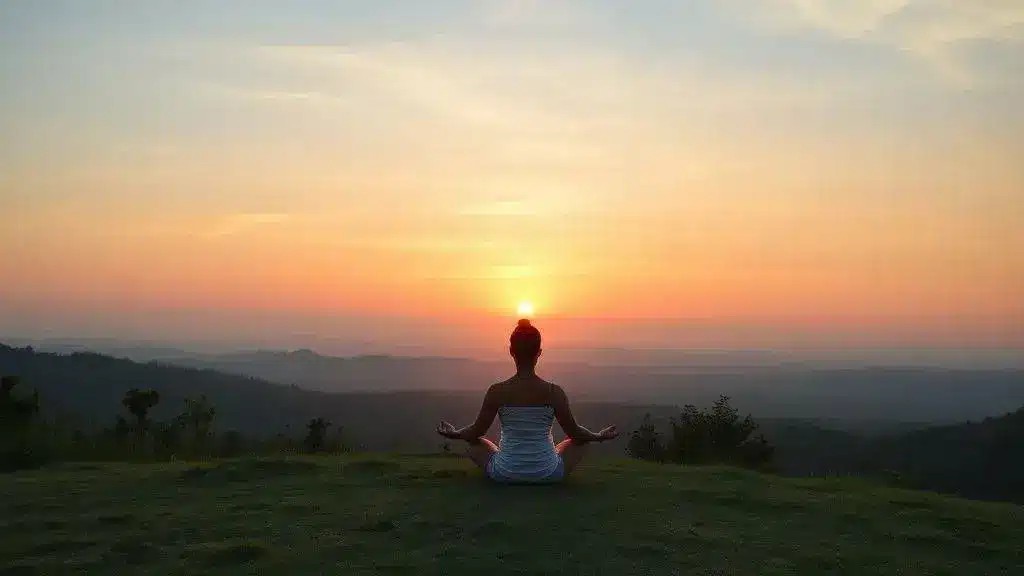
Guided meditation for anxiety relief effectively reduces stress and enhances emotional well-being, helping individuals cultivate a calm mind and improve overall mental health through structured practices.
Guided meditation for anxiety relief offers a path to tranquility amidst daily stress. Have you ever wondered how just a few minutes can change your mindset? Let’s dive into this helpful practice.
Understanding anxiety and its impact
Anxiety is more than just a fleeting feeling; it can profoundly affect your daily life. Understanding anxiety is essential for managing its impact and finding relief. It often manifests physically and mentally, causing distress that interrupts regular activities. Many people experience anxiety in different ways. Addressing these feelings is the first step toward healing.
Types of Anxiety Disorders
There are several types of anxiety disorders, each with unique characteristics:
- Generalized Anxiety Disorder (GAD): Persistent worry about various aspects of life.
- Panic Disorder: Recurrent panic attacks that lead to intense fear.
- Social Anxiety Disorder: Fear of social situations that may lead to embarrassment.
- Obsessive-Compulsive Disorder (OCD): Unwanted, recurring thoughts leading to compulsive behaviors.
Each type requires understanding to develop effective coping strategies. It’s important to note that anxiety can also influence your physical health. Studies show that prolonged anxiety can lead to conditions like heart problems, digestive issues, and even weakened immunity.
Signs and Symptoms
Recognizing the signs of anxiety is crucial for early intervention. Common symptoms include:
- Restlessness: Feeling on edge or unable to relax.
- Fatigue: Persistent tiredness, even after a good night’s sleep.
- Irritability: Increased sensitivity to stressors.
Many people may dismiss these symptoms as normal, but acknowledging them is key to taking action. Remember, understanding anxiety is about recognizing how it affects your emotions, actions, and overall health.
When you realize how deeply anxiety influences your life, you empower yourself to seek support and solutions.
How guided meditation works
Guided meditation is a powerful tool for calming your mind and body. It works by leading you through various techniques designed to help you focus and find relaxation. During a session, you typically follow the voice of a guide who provides instructions that allow your thoughts to settle.
The Process of Guided Meditation
Guided meditation consists of several key steps that help practitioners achieve a state of peace:
- Finding a Comfortable Space: Start by choosing a quiet place where you can sit or lie down without distractions.
- Setting an Intention: Consider what you want to achieve. This could be relaxation, stress relief, or mindfulness.
- Listening to Guidance: Follow the guide’s instructions, which may include visualization techniques or breathing exercises.
- Returning to the Present: As the session ends, gradually bring your awareness back to your surroundings.
These steps work together to help you tune into your mind and body while decreasing the noise from the outside world. As you practice sessions regularly, the benefits of guided meditation become even more pronounced. You may notice improvements in your mood, sleep patterns, and overall well-being.
Benefits of Guided Meditation
Guided meditation offers a range of benefits that can significantly improve your life:
- Reduces Stress: It helps lower cortisol levels, the hormone associated with stress.
- Enhances Focus: Regular practice can sharpen your ability to concentrate.
- Promotes Emotional Health: It can lead to lower rates of anxiety and depression.
By incorporating guided meditation into your routine, you can create a haven of calmness in your busy life. It encourages a deeper connection with yourself and supports emotional balance. Find the right guide, and let each session open doors to tranquility.
Steps for effective guided meditation
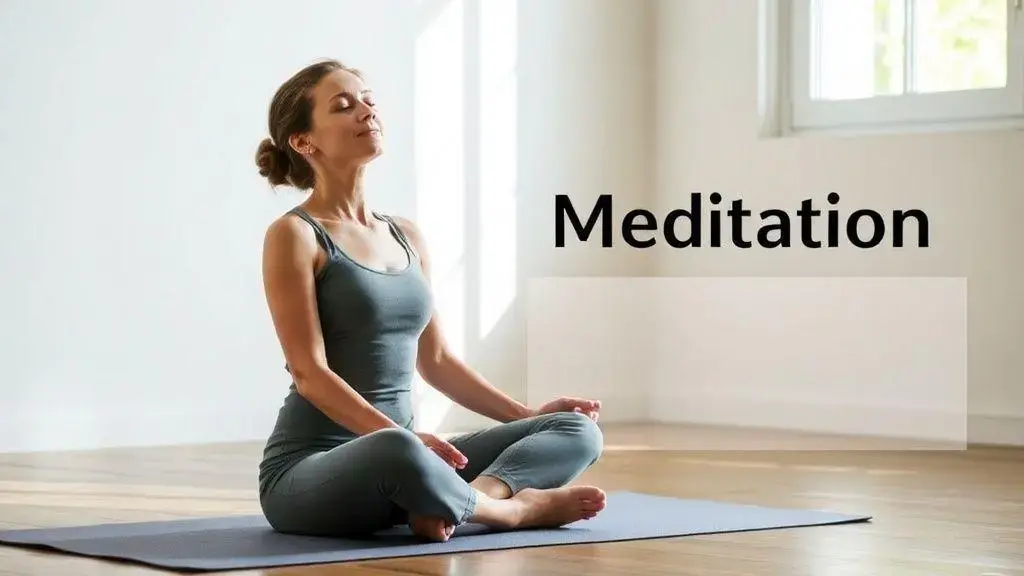
Effective guided meditation requires following some essential steps to ensure you get the most benefit from each session. By incorporating these practices, you can enhance your meditation experience and find deeper relaxation.
Preparing for Meditation
Before starting, it’s vital to prepare your mind and space. Choose a quiet, comfortable area where you won’t be disturbed. You can sit in a chair or on the floor with a cushion. Wearing comfortable clothing can also help you relax. Setting a specific time each day for your practice can create a routine that enhances your focus.
Following the Guided Instructions
As you begin the meditation, listen closely to the guide’s voice. They will help you center your thoughts and guide you through breathing techniques. Breathing deeply and rhythmically supports calmness, which is key during your practice.
- Focus on Your Breath: Inhale slowly, filling your lungs, then gently exhale, letting go of tension.
- Visualize a Calm Place: Imagine a serene setting that brings you peace, like a beach or forest.
- Allow Thoughts to Pass: If distracting thoughts arise, acknowledge them and let them drift away.
These components help maintain your attention on the meditation rather than distractions that may occur. Consider using a timer to keep track of your session, which allows you to relax fully without worrying about the clock.
Ending Your Session
As your meditation comes to a close, gradually bring your awareness back to your surroundings. Take a moment to notice how you feel. Stretch gently to awaken your body and mind, and before you open your eyes, take a deep breath. This simple act can enhance your overall awareness.
Preparing, following guidance, and ending your sessions mindfully creates a foundation for effective guided meditation. Over time, these practices will deepen your ability to find tranquility and reduce anxiety.
Incorporating guided meditation into daily life
Incorporating guided meditation into your daily life can lead to significant improvements in your mental and emotional well-being. It’s about making meditation a regular practice rather than an occasional activity. By embedding these sessions into your routine, you can create a more balanced and peaceful mindset.
Finding Time in Your Day
One of the first steps is determining when you can meditate. Many find that mornings are ideal for setting the tone of the day. Others prefer evenings to unwind. Regardless of when you choose, having a consistent time helps reinforce your practice. You can even carve out short moments, like during breaks at work or while waiting in line.
Creating a Meditation Space
Establishing a dedicated space for meditation can enhance your experience. This doesn’t need to be a large area; even a small corner of a room can work. Make it comfortable by adding cushions or a small chair. Personal touches, such as plants or soothing colors, can make the space inviting and promote relaxation.
- Minimize Distractions: Turn off electronics and minimize noise to create a calming environment.
- Use Guided Sessions: Explore various audio or video guided sessions online that resonate with you. Find styles and voices that help you feel at ease.
- Track Your Progress: Consider keeping a journal to note how you feel before and after each session. This can motivate you and help you see your growth.
Incorporating meditation into everyday life is about ease and consistency. Consider joining a local group or finding an online community for support. Sharing your journey with others can enhance motivation and provide new insights.
Once you establish a routine, even just a few minutes each day can begin to change how you react to stress. Making guided meditation a part of your daily life doesn’t require a major overhaul; instead, it can be a simple addition that offers profound benefits.
Success stories with guided meditation
Success stories involving guided meditation highlight its effectiveness in reducing stress and improving overall well-being. Many people have reported positive changes in their lives after consistently practicing meditation. These real-life experiences serve as inspiration for others seeking peace and emotional balance.
Transformative Experiences
Individuals have shared how guided meditation helped them manage anxiety, regain control, and find clarity. For example, a young professional described their struggle with overwhelming work stress. By dedicating just ten minutes each morning to guided meditation, they found a renewed sense of focus and reduced anxiety levels.
Building a Healthier Mindset
Another success story comes from a mother who balanced the demands of parenting with her professional life. She turned to guided meditation to cope with daily pressures. Over time, she noticed a significant decrease in her stress levels and an increase in her patience and happiness.
- Improved Relationships: Many people report that meditation enhances their emotional intelligence, leading to healthier interactions.
- Enhanced Creativity: Some individuals find that meditation boosts their creative thinking, helping them approach problems with fresh perspectives.
- Health Benefits: Regular practice has been linked to better sleep, lowered blood pressure, and improved overall health.
These stories opened pathways to resilience and strength. Practitioners embrace meditation as a crucial tool in their wellness journey, and sharing experiences builds a supportive community. More people are inspired, knowing they are not alone in their struggles.
The stories of those who have found relief through guided meditation demonstrate its potential. As more individuals narrate their journeys, it encourages others to embark on their paths toward tranquility.
FAQ – Frequently Asked Questions about Guided Meditation for Anxiety Relief
What is guided meditation?
Guided meditation is a practice where an individual is led by a narrator or guide through a series of calming techniques to promote relaxation and reduce anxiety.
How often should I practice guided meditation?
It’s recommended to practice guided meditation daily, even if for just a few minutes, to develop a consistent routine that enhances its benefits.
Can guided meditation help with stress management?
Yes, guided meditation is effective for managing stress by helping individuals focus, relax, and develop coping strategies for daily challenges.
Is it necessary to have experience to start guided meditation?
No experience is necessary to start guided meditation. The guided sessions are designed for all levels, making it easy for beginners to follow along.