2026 Probiotic Skincare: Gut-Skin Axis Breakthroughs & Routines
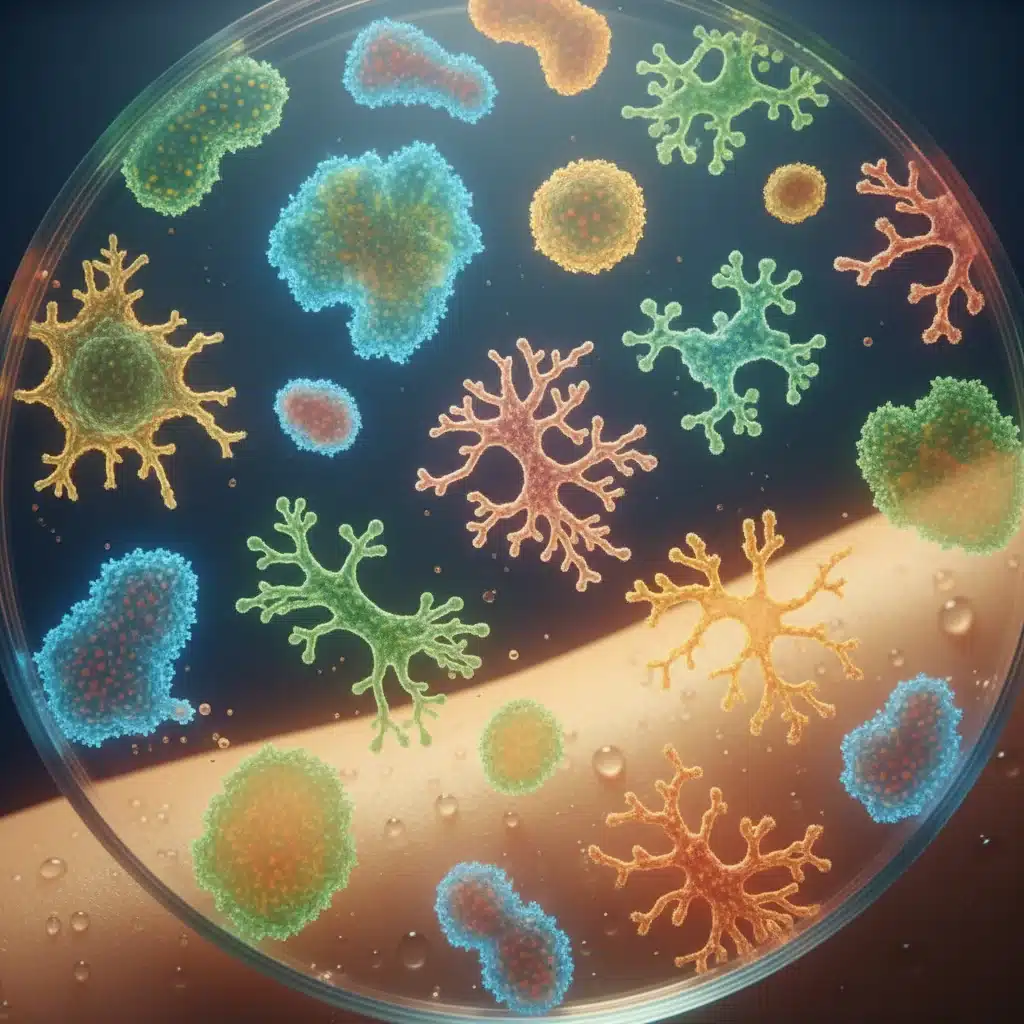
In the ever-evolving landscape of dermatology and wellness, the concept of healthy skin has transcended mere surface aesthetics. Today, we understand that true skin vitality is deeply rooted in the intricate balance of our internal ecosystem. This understanding has propelled probiotic skincare 2026 to the forefront of dermatological innovation, with groundbreaking research continuously illuminating the profound connection between our gut microbiome and the health of our skin – a phenomenon widely known as the gut-skin axis.
As we delve into 2026, the scientific community has made significant strides, moving beyond anecdotal evidence to robust clinical trials that underscore the efficacy of probiotic, prebiotic, and postbiotic ingredients in topical and ingestible forms. This comprehensive exploration will unveil the latest findings, emerging technologies, and best practices for incorporating probiotic skincare 2026 into your daily routine, ensuring your skin thrives from the inside out.
The Gut-Skin Axis Revisited: 2026 Insights and Breakthroughs
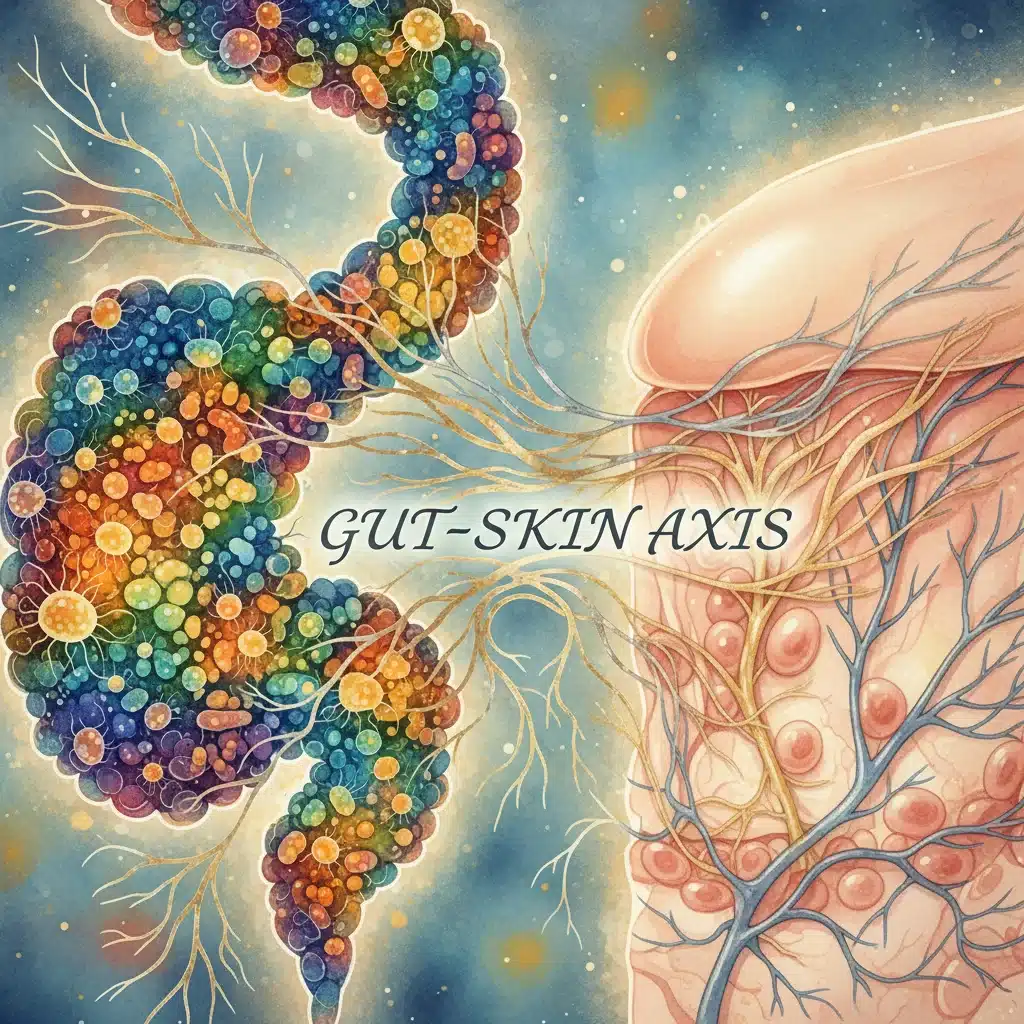
The gut-skin axis is no longer a nascent theory; it is a well-established scientific paradigm. In 2026, research has further elucidated the complex bidirectional communication pathways between the gastrointestinal tract and the skin. This sophisticated interplay involves immune system modulation, direct metabolic product exchange, and neurological signaling. The health of our gut microbiome – the trillions of microorganisms residing in our digestive system – directly influences systemic inflammation, nutrient absorption, and the production of beneficial compounds that impact skin barrier function, hydration, and overall resilience.
Recent studies in 2026 have pinpointed specific microbial strains and their metabolites that play pivotal roles. For instance, certain Lactobacillus and Bifidobacterium species have been shown to reduce systemic inflammation, which can manifest as conditions like acne, rosacea, and eczema on the skin. Short-chain fatty acids (SCFAs) produced by gut bacteria, such as butyrate, propionate, and acetate, are now recognized for their anti-inflammatory properties and their ability to strengthen the skin barrier, making it less susceptible to environmental aggressors and pathogens.
Moreover, the gut-brain-skin axis is gaining increased attention. Stress and psychological factors can alter gut microbiota composition, leading to increased intestinal permeability (often referred to as ‘leaky gut’), which in turn can exacerbate skin conditions. Understanding these intricate connections allows for more holistic and effective treatment strategies, with probiotic skincare 2026 emerging as a key component of this integrated approach.
Probiotic, Prebiotic, and Postbiotic Skincare: Deciphering the Nuances in 2026
The terminology surrounding microbiome-friendly skincare can often be confusing. As of 2026, the distinctions and applications of probiotics, prebiotics, and postbiotics are clearer than ever, guiding consumers and formulators towards more targeted solutions.
Probiotic Skincare: Live Microbes for Skin Health
True probiotic skincare involves the application of live beneficial microorganisms directly to the skin. While challenging due to stability issues in cosmetic formulations, advancements in encapsulation technologies and specialized delivery systems have made probiotic skincare 2026 with live cultures increasingly viable. These live bacteria work by colonizing the skin’s surface, competing with harmful pathogens, producing antimicrobial peptides, and modulating the skin’s immune response. They can help restore balance to a disrupted skin microbiome, which is often associated with conditions like acne, eczema, and sensitivity.
Prebiotic Skincare: Feeding the Good Bacteria
Prebiotics are non-digestible compounds that selectively stimulate the growth and activity of beneficial microorganisms already present on the skin. Common prebiotics in probiotic skincare 2026 formulations include oligosaccharides (like fructooligosaccharides and galactooligosaccharides), inulin, and certain sugars. By providing a food source for the ‘good’ bacteria, prebiotics help to foster a thriving and diverse skin microbiome, enhancing its natural protective functions and improving skin health without introducing new live organisms.
Postbiotic Skincare: The Metabolites that Matter
Perhaps the most rapidly expanding area in probiotic skincare 2026 is the use of postbiotics. Postbiotics are inanimate microorganisms and/or their components that confer a health benefit to the host. Essentially, they are the beneficial byproducts (metabolites) of microbial fermentation, such as enzymes, peptides, short-chain fatty acids, and organic acids. These compounds offer significant advantages: they are stable in formulations, have a longer shelf life, and can directly deliver the benefits of probiotics without the challenges of live bacterial cultures. Postbiotics are celebrated for their anti-inflammatory, antioxidant, hydrating, and barrier-strengthening properties, making them a cornerstone of modern microbiome-friendly skincare.
Emerging Ingredients and Technologies in Probiotic Skincare 2026
The year 2026 marks significant advancements in the specific ingredients and sophisticated technologies employed in probiotic skincare 2026. Researchers are continuously identifying novel strains and compounds that offer enhanced benefits.
Targeted Probiotic Strains
Beyond the well-known Lactobacillus and Bifidobacterium, newer research in 2026 is exploring the potential of other bacterial genera like Staphylococcus epidermidis and Cutibacterium acnes (formerly Propionibacterium acnes, but specific beneficial strains), which naturally reside on healthy skin. Certain strains of S. epidermidis, for example, have been found to produce antimicrobial peptides that inhibit the growth of pathogenic bacteria like S. aureus, often implicated in eczema flares. Similarly, specific non-pathogenic strains of C. acnes can help balance the skin microbiome in acne-prone individuals.
Advanced Encapsulation and Delivery Systems
For live probiotic skincare 2026, maintaining the viability of microorganisms is paramount. Microencapsulation and nano-encapsulation technologies have become highly sophisticated, protecting live bacteria from environmental stressors (oxygen, UV light, temperature fluctuations) and ensuring their targeted release onto the skin. These systems also enhance ingredient stability and penetration, maximizing efficacy.
Bio-fermented Ingredients and Postbiotic Cocktails
The trend towards bio-fermented ingredients is booming. Companies are leveraging specific fermentation processes to create potent postbiotic cocktails rich in beneficial acids, peptides, and enzymes. These customized ferment filtrates are proving to be highly effective in improving skin texture, reducing inflammation, and boosting hydration. Expect to see more personalized postbiotic blends tailored to specific skin concerns.
Synbiotic Formulations
Combining probiotics with prebiotics in a single formulation – known as synbiotics – is another innovative approach gaining traction. This synergistic combination aims to not only introduce beneficial bacteria (or their components) but also provide the ideal environment for them to thrive, thereby maximizing their positive impact on the skin microbiome.
The Role of Personalized Probiotic Skincare in 2026
The future of probiotic skincare 2026 is inherently personal. Just as every individual’s gut microbiome is unique, so too is their skin microbiome. This realization is driving the development of highly customized skincare solutions.
Microbiome Mapping and Diagnostics
Advanced diagnostic tools, including at-home microbiome testing kits, are becoming more accessible. These kits analyze the unique microbial composition of an individual’s skin, identifying imbalances or deficiencies. Based on these insights, dermatologists and specialized skincare brands can recommend targeted probiotic skincare 2026 products containing specific strains or prebiotic ingredients designed to rebalance the skin’s ecosystem.
AI and Machine Learning in Formulation
Artificial intelligence and machine learning are playing an increasingly crucial role in developing personalized probiotic skincare 2026. Algorithms can analyze vast datasets of microbiome profiles, skin conditions, and ingredient efficacy to formulate bespoke products. This allows for dynamic adjustments to formulations based on individual responses and environmental factors, optimizing outcomes.
Modular Skincare Systems
Expect to see more modular skincare systems where base formulations can be customized with concentrated ‘boosters’ or ‘shots’ of specific probiotic, prebiotic, or postbiotic ingredients. This allows consumers to adapt their routine based on current skin needs, seasonal changes, or specific concerns, offering unparalleled flexibility and personalization.
Integrating Probiotic Skincare into Your Routine: Best Practices for 2026
Adopting probiotic skincare 2026 effectively requires a thoughtful approach. Here are some best practices to maximize the benefits:
1. Gentle Cleansing is Key
Harsh cleansers can strip the skin’s natural oils and disrupt its delicate microbiome. Opt for gentle, pH-balanced cleansers that support the skin barrier. Look for formulations explicitly labeled as ‘microbiome-friendly’ or containing mild surfactants.
2. Layering for Optimal Efficacy
Apply probiotic skincare 2026 products (serums, essences, moisturizers) to clean skin. If using multiple products, apply them from thinnest to thickest consistency. Consider using a probiotic serum after cleansing, followed by a prebiotic or postbiotic moisturizer to create a supportive environment for the beneficial microbes.
3. Consistency is Crucial
Like any skincare regimen, consistency is vital. The skin microbiome takes time to rebalance and adapt. Give new probiotic skincare 2026 products at least 4-6 weeks to show noticeable results.
4. Complement with Internal Support
Remember the gut-skin axis! Support your skin from within by incorporating a high-quality oral probiotic supplement, especially if you experience digestive issues or have a diet lacking in fermented foods. A diet rich in fiber, prebiotics (from foods like onions, garlic, bananas, oats), and fermented foods (yogurt, kefir, sauerkraut) will further enhance the benefits of topical probiotic skincare 2026.
5. Protect Your Microbiome
Avoid excessive use of harsh active ingredients (like high concentrations of retinoids or strong acids) simultaneously, as they can potentially disrupt the skin’s microbial balance. If using such ingredients, integrate probiotic skincare 2026 products to help buffer their effects and support barrier recovery. Always use sunscreen, as UV radiation can negatively impact the skin microbiome.
The Future of Probiotic Skincare: 2026 and Beyond
The trajectory of probiotic skincare 2026 is one of increasing sophistication, personalization, and integration with overall health and wellness. Several key trends are expected to define its future:
Holistic Health Integration
Skincare will increasingly be viewed as a component of holistic health. Expect a greater convergence of topical probiotic skincare 2026 with ingestible supplements, personalized nutrition plans, and lifestyle recommendations, all aimed at optimizing the gut-skin axis and overall well-being. The focus will shift from treating symptoms to cultivating long-term skin resilience and health.
Advanced Microbiome Therapies
Beyond traditional products, advanced microbiome therapies might emerge, including highly targeted microbial transplants or engineered bacteria designed to address specific dermatological conditions. While these are still in early research phases, the potential for precision medicine in dermatology is immense.
Sustainability and Ethical Sourcing
As consumers become more environmentally conscious, the probiotic skincare 2026 industry will continue to prioritize sustainable sourcing of ingredients, eco-friendly packaging, and ethical production practices. Fermentation processes themselves are often more sustainable than traditional chemical synthesis, aligning well with these values.
Increased Clinical Validation
The demand for rigorous clinical validation of probiotic skincare 2026 products will grow. Brands will invest more in independent studies and transparent reporting of results to build consumer trust and demonstrate true efficacy, moving beyond marketing hype.
Addressing Common Concerns and Misconceptions about Probiotic Skincare
Despite its growing popularity, probiotic skincare 2026 still faces some common questions and misconceptions. Let’s clarify them:
1. Are all fermented ingredients ‘probiotic’?
No. While many fermented ingredients are beneficial and can act as postbiotics, not all fermented extracts contain live probiotics or have a direct impact on the skin microbiome in the same way. It’s important to look for specific claims and ingredient lists that clearly state probiotic, prebiotic, or postbiotic components.
2. Can probiotic skincare cause breakouts?
In rare cases, introducing new ingredients, including probiotic skincare 2026, can lead to a temporary adjustment period. However, true probiotic products are designed to balance the skin, not disrupt it. If breakouts occur, it might be due to other ingredients in the formulation or an initial purge as the microbiome rebalances. It’s always best to patch test new products.
3. Is it safe for sensitive skin?
Many probiotic skincare 2026 products are specifically formulated for sensitive, reactive, or compromised skin, as they aim to reduce inflammation and strengthen the skin barrier. However, as with any product, individual reactions can vary, so always check the full ingredient list and perform a patch test.
4. Do probiotic ingredients really survive in skincare?
This was a significant challenge in earlier formulations. However, as of 2026, advances in encapsulation and stabilization technologies have made it possible for live probiotics to remain viable in certain products. More commonly, formulators use prebiotics (to feed existing good bacteria) or postbiotics (the beneficial byproducts), which are inherently more stable and deliver significant benefits without the viability concerns of live organisms.
Scientific Evidence and Clinical Trials in 2026
The scientific community’s understanding of the skin microbiome’s role in health and disease has exploded. In 2026, numerous peer-reviewed studies and clinical trials continue to solidify the efficacy of probiotic skincare 2026 ingredients. For instance, recent placebo-controlled trials have demonstrated that topical applications of specific postbiotic lysates can significantly reduce redness and inflammation in individuals with rosacea. Other studies have shown improvements in skin hydration and elasticity with regular use of prebiotic-infused moisturizers.
The focus is increasingly on understanding the mechanisms of action – how these ingredients interact with skin cells, immune cells, and the existing microbiome. This deeper understanding allows for the development of even more targeted and effective products, moving beyond a trial-and-error approach to evidence-based skincare solutions.
The Microbiome-Friendly Seal of Approval
As the market for probiotic skincare 2026 expands, so does the need for clear standards and certifications. In 2026, you will likely see an increase in products bearing ‘microbiome-friendly’ seals or certifications from independent organizations. These seals indicate that a product has been tested to ensure it does not negatively impact the skin’s natural microbial balance and ideally supports a healthy microbiome. This helps consumers make informed choices and distinguishes truly beneficial products from those that merely capitalize on the trend.
Conclusion: Embracing the Microbiome Revolution in 2026
The year 2026 represents a pivotal moment in the evolution of skincare. The once-niche concept of the skin microbiome and its connection to the gut-skin axis has matured into a cornerstone of modern dermatological science. Probiotic skincare 2026, encompassing probiotics, prebiotics, and postbiotics, offers a sophisticated and effective pathway to achieving and maintaining optimal skin health.
By understanding the latest research, embracing personalized approaches, and integrating these innovative ingredients into a thoughtful routine, consumers can move beyond superficial treatments to cultivate a truly resilient, balanced, and radiant complexion. The future of skincare is not just about what we put on our skin, but how we nurture its incredibly complex and dynamic ecosystem, both inside and out. The microbiome revolution is here to stay, promising healthier skin for years to come.