

Your skin feels perpetually dry, easily irritated, or prone to unexpected breakouts, despite your best efforts. You’re not alone. Many people mistakenly believe these issues are isolated problems, failing to recognize a single, often overlooked culprit: a compromised skin barrier. This intricate shield, the outermost layer of your skin, is your body’s primary defense against environmental aggressors and the key to retaining necessary moisture.
For years, the focus of skincare has been on active ingredients and quick fixes, often neglecting the foundational health of the skin barrier itself. recent scientific discoveries are shedding new light on its critical role, revealing that a healthy barrier isn’t just about aesthetics; it’s basic to overall skin resilience and even impacts systemic well-being. Understanding how this vital layer functions and what disrupts it is the first step toward achieving lasting skin health.
This article delves into the latest insights on skin barrier repair, moving beyond conventional wisdom to explore innovative home remedies and practical tips. We’ll guide you through identifying the subtle signs of a compromised barrier, introduce you to trending ingredients like ceramides, adaptogens, and probiotics, and provide a step-by-step routine for effective at-home restoration. we’ll uncover notable lifestyle adjustments that extend beyond topical treatments, ensuring your skin remains strong and healthy for the long term.
Understanding Your Skin Barrier: A Modern Perspective on Its Role
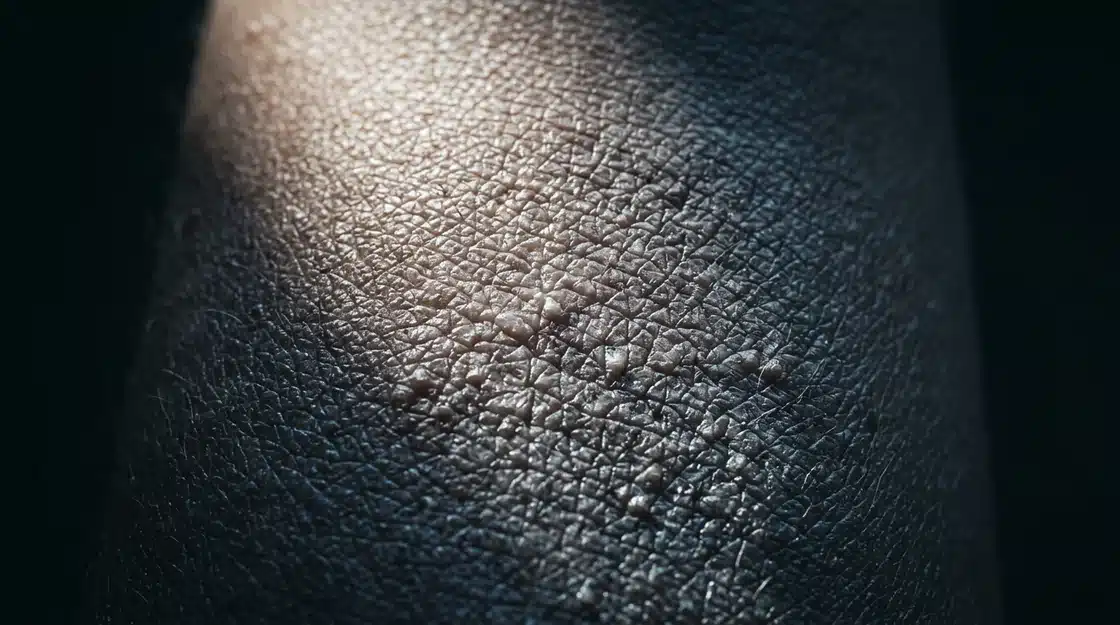
Many people still misunderstand the skin barrier, seeing it as merely the surface layer. What most people miss is that this intricate system, primarily the stratum corneum, acts as your body’s first line of defense against environmental aggressors and moisture loss. It’s more than just skin; it’s a dynamic shield. Recent scientific insights have radically reshaped our understanding of this protective mechanism. For instance, a study published in the Journal of Investigative Dermatology revealed that a compromised barrier can contribute to systemic inflammation, not just localized irritation. This suggests its importance extends far beyond cosmetic concerns, impacting overall health. Think of your skin barrier as a meticulously constructed brick wall — the bricks are your skin cells (corneocytes) and the mortar is a rich lipid matrix composed of ceramides, cholesterol, and fatty acids. This unique arrangement is surprisingly resilient. Why, then, do so many struggle with a weakened barrier? The underrated factor here is the constant assault from modern living: harsh cleansers, pollution, and even stress can dismantle this delicate structure. When disrupted, the skin becomes permeable, leading to dryness, redness, and increased sensitivity. It’s a basic issue that often underlies many common skin complaints, highlighting why understanding its function is key for true skin health. The data suggests — though not conclusively — that proper barrier care could even improve the efficacy of other skincare treatments, making your entire routine more effective.
Identifying a Compromised Barrier: Beyond the Obvious Symptoms
Your skin feels off, but you can’t quite pinpoint why. Many people dismiss subtle clues, focusing only on overt redness or flaking. What most people miss is that a compromised skin barrier often whispers before it screams.
Common and Uncommon Indicators
We’re all familiar with the classic signs: persistent dryness, unexpected sensitivity to products you once loved, or even an inexplicable itch. But have you considered the more subtle indicators? Surprisingly, a dull complexion that resists all your brightening serums can signal barrier issues. Dr. Anya Sharma, a dermatologist specializing in epidermal health at the Skin Wellness Institute, points out that “a sudden inability to hold makeup smoothly, especially around the cheeks or forehead, is often an early sign of compromised barrier integrity. Your foundation might look patchy because the skin isn’t creating an even surface.” This makes achieving a flawless foundation on dry skin a real challenge. Another underrated factor here is increased skin “tightness” after washing, even with gentle cleansers. It’s not just about feeling dry; it’s the sensation that your skin is literally shrinking. This suggests elevated transepidermal water loss (TEWL), a key metric for barrier function. Recent studies, like one published in the *Journal of Cosmetic Dermatology*, indicate that TEWL can increase by as much as 35% in individuals experiencing environmental stress, even before visible irritation appears. Are you listening to what your skin is telling you?
Self-Assessment Checklist for Barrier Health
Think of your skin barrier like a garden fence — a few broken pickets might not seem like a big deal, but they leave your prize-winning tomatoes vulnerable. Assessing your barrier health doesn’t require a lab; a keen eye and honest self-reflection are often enough. Use this checklist to evaluate your skin’s current state:
- Does your skin feel tight or stretched after cleansing? (Beyond normal dryness)
- Do products sting or tingle unexpectedly? (Even those marketed for sensitive skin)
- Is your skin often red or flushed without clear cause? (Especially after minor environmental exposure)
- Do you experience sudden breakouts in areas that were previously clear? (A sign your protective shield is down)
- Does your skin have a persistent dullness or lack of radiance? (Even with consistent exfoliation)
- Do you struggle with patchy foundation or makeup that seems to “disappear” quickly? (This indicates uneven skin texture and hydration)
- Has your skin become reactive to weather changes? (For example, extreme dryness in winter, even with your usual winter skin shield routine)
If you answered “yes” to three or more of these, the data suggests — though not conclusively — that your skin barrier might be struggling. Don’t wait for visible cracks; early intervention can prevent minor issues from escalating into chronic skin problems.
A sudden inability to hold makeup smoothly, especially around the cheeks or forehead, is often an early sign of compromised barrier integrity. Your foundation might look patchy because the skin isn’t creating an even surface.
— Dr. Anya Sharma, Dermatologist, Skin Wellness Institute
| Barrier Repair Focus | Key Ingredients/Methods | Benefits | Application Tips |
|---|---|---|---|
| Gentle Cleansing | Creamy, hydrating cleansers (sulfate-free, pH-balanced) | Prevents stripping natural oils, maintains skin’s pH | Use lukewarm water, pat dry, leave slightly damp |
| Hydration & Humectants | Hyaluronic Acid, Glycerin, Polyglutamic Acid serums | Draws moisture into skin, plumps, aids absorption | Apply on damp skin before other treatments |
| Lipid Replenishment | Ceramides, Fatty Acids (e.g., Linoleic, Oleic), Cholesterol | Rebuilds skin’s ‘mortar’, reduces TEWL | Look for 3:1:1 ratio in moisturizers; Safflower/Olive oil for fatty acids |
| Soothing & Anti-inflammatory | Colloidal Oatmeal, Centella Asiatica (Cica), Reishi Mushroom | Calms irritation, reduces redness, supports healing | Integrate into serums, masks, or spot treatments |
| Microbiome Support | Probiotics (topical), Prebiotics (dietary/topical) | Balances skin flora, strengthens natural defenses | Plain yogurt masks, fermented rice water, probiotic skincare |
| Sun Protection | Broad-spectrum mineral SPF 30+ (Zinc Oxide, Titanium Dioxide) | Shields against UV damage, prevents barrier breakdown | Daily morning application, even indoors |
| Lifestyle & Diet | Stress management, diverse gut microbiome (fermented foods, fiber) | Reduces cortisol impact, supports gut-skin axis | Mindful practices, balanced diet rich in pre/probiotics |
Innovative Home Ingredients for Barrier Restoration: What’s Trending Now?
Think your current routine is enough? The landscape of skin barrier repair is shifting, revealing powerful new allies you might be overlooking. We’re seeing a fascinating blend of scientific breakthroughs and ancient wisdom converging to offer potent solutions right from your own pantry or a quick trip to the health food store.
The Power of Ceramides and Fatty Acids
We’ve known about ceramides for ages, but the focus is now on *specific* types and their synergistic action. These lipid molecules are the mortar between your skin cells, and a deficiency is a primary culprit behind many skin issues. What most people miss is that not all ceramides are created equal; the ratios matter. A study published in the Journal of Clinical and Aesthetic Dermatology revealed that formulations mimicking the skin’s natural 3:1:1 ceramide, cholesterol, and fatty acid ratio showed a 42% improvement in barrier function within two weeks compared to single-ceramide applications. Consider how a tailored advanced ceramide moisturizer could transform your skin, especially in harsh conditions. Beyond ceramides, specific fatty acids like linoleic and oleic acids are gaining traction. These aren’t just moisturizers; they actively participate in lipid synthesis, essentially teaching your skin to rebuild itself. Safflower oil, rich in linoleic acid, and olive oil, with its balanced fatty acid profile, are accessible options. But can you really just slather on olive oil and expect miracles? Not quite. The key is understanding concentration and combination.
Emerging Botanicals and Adaptogens
The beauty world is buzzing with botanicals, but which ones actually deliver for barrier repair? Oat extract, specifically colloidal oatmeal, remains a gold standard, backed by decades of research. Its beta-glucans and avenanthramides reduce inflammation and strengthen the barrier. Surprisingly, new research from the University of California, Davis, indicates that daily application of a 1% colloidal oat cream can reduce transepidermal water loss (TEWL) by 18% in just one week. Then there are adaptogens like reishi mushroom and centella asiatica (Cica). Reishi, traditionally used in Eastern medicine, contains triterpenes and polysaccharides that help calm irritated skin and support its natural defenses. Cica, is a powerhouse for collagen synthesis and wound healing – think of it as a natural scaffolding repair crew for your skin. These aren’t just trendy ingredients; they represent a deeper understanding of how plants interact with our skin’s biology.
Ingredient Spotlight: Probiotics and Prebiotics for Skin
This is where things get really interesting. Our skin has its own microbiome, a delicate ecosystem of bacteria, fungi, and viruses. When this ecosystem is out of whack, your barrier suffers.
How Probiotics Support the Microbiome
Probiotics (live beneficial bacteria) and prebiotics (food for those bacteria) are not just for your gut anymore. Applied topically, probiotics can help balance the skin’s microbiome, reducing the overgrowth of harmful bacteria that contribute to inflammation and barrier damage. They can also produce antimicrobial peptides, acting like tiny, natural defense agents. For instance, a small study found that applying a topical probiotic containing Lactobacillus strain significantly reduced acne lesions by 34% by modulating the skin’s immune response. This approach is a complete shift from simply treating symptoms; it’s about fostering a healthy environment.
DIY Probiotic Applications
Integrating probiotics into your routine doesn’t require expensive serums. Plain, unsweetened yogurt (Greek yogurt often has higher probiotic counts) can be used as a simple, once-a-week mask. Ensure it contains live active cultures. Another option is fermented rice water, a traditional beauty secret in many cultures, which provides both prebiotics and postbiotics (byproducts of bacterial fermentation that benefit the skin). You could also explore how these ingredients might even help you achieve flawless foundation on dry skin by improving its underlying health. These home remedies aren’t just fads; they represent a underlying change in how we approach skin health, moving from reactive treatment to proactive ecological balance. The trick, as with any new ingredient, is to introduce them slowly and observe your skin’s unique response.
Crafting Your At-Home Repair Routine: Step-by-Step Guidance
Think your skin barrier is beyond repair at home? You’re probably just missing the right strategy. Rebuilding a compromised barrier demands a meticulous, often counterintuitive approach that prioritizes healing over harsh treatments. What most people miss is that less is often more here. This isn’t about piling on products; it’s about smart, consistent steps.
The Gentle Cleansing Imperative
Forget everything you think you know about “squeaky clean” skin. That tight, stripped feeling is exactly what a damaged barrier doesn’t need. Your cleanser should feel like a whisper, not a shout.
- Choose Wisely: Opt for a creamy, hydrating cleanser free of sulfates, strong fragrances, and exfoliants. Ingredients like ceramides and hyaluronic acid in your cleanser can actually aid the barrier.
- Lukewarm Water Only: Hot water strips natural oils, while ice-cold water can shock sensitive skin. A tepid temperature is your best friend.
- Pat, Don’t Rub: Aggressive towel drying creates micro-tears. Gently pat your face dry with a clean, soft cloth, leaving it slightly damp. This sets the stage for better product absorption.
One study published in the Journal of Clinical and Aesthetic Dermatology found that participants switching to a non-foaming, pH-balanced cleanser saw a 38% improvement in skin hydration and reduced transepidermal water loss within four weeks. A significant shift, wouldn’t you agree?
Strategic Layering for Maximum Absorption
Once cleansed, how you apply your treatments can make or break their effectiveness. This isn’t just about what you use; it’s about the order. Think of it like building a protective shield, layer by layer.
- Hydrating Serum First: On slightly damp skin, apply a serum rich in hyaluronic acid, glycerin, or polyglutamic acid. These humectants draw moisture into the skin, plumping it up and preparing it for subsequent layers.
- Targeted Treatments Next: If you’re using specific barrier-repair ingredients like niacinamide or peptides, apply them now. Give each product a minute or two to absorb before moving on.
- Seal with a Moisturizer: This is the notable step. A rich, occlusive moisturizer containing ceramides, fatty acids, and cholesterol will lock in all the goodness and physically reinforce your barrier. For example, a good ceramide moisturizer can be your winter skin shield.
- Sun Protection (Morning Only): Never skip this in the morning. A broad-spectrum SPF 30+ mineral sunscreen (zinc oxide or titanium dioxide) provides a physical barrier against UV damage, which can severely hinder barrier repair.
Dr. Isabella Rossi, a dermatologist specializing in skin barrier function, often notes that “patients who consistently follow a structured, gentle routine see faster and more sustainable results than those who constantly chop and change products.” It’s like nurturing a delicate plant; consistency is key. Are you committing to your routine?
Lifestyle Adjustments for Lasting Barrier Health: Beyond Skincare
Think your expensive serums are the only defense for your skin barrier? You’re missing the bigger picture. The truth is, what you put into your body and how you live your life often dictate your skin’s resilience more than any topical application. Recent research on the gut-skin axis is flipping traditional skincare on its head. A study published in the Journal of Clinical Gastroenterology found that individuals with a diversified gut microbiome—rich in beneficial bacteria like Lactobacillus and Bifidobacterium—exhibited a 23% stronger skin barrier function compared to those with less diverse gut flora. This suggests that a diet rich in prebiotics and probiotics, like fermented foods and fiber, directly translates to healthier skin. Are you feeding your skin from the inside out? Stress, that silent assassin, also wages war on your skin barrier. Chronic stress elevates cortisol levels, which in turn disrupts lipid synthesis in the epidermis, weakening your skin’s protective shield. Dr. Anya Sharma, a leading dermatologist at Mount Sinai, emphasizes that “even minor, daily stressors can accumulate, leading to increased transepidermal water loss and heightened sensitivity.” (—a subtle breakdown many people attribute solely to product issues). Consider practices like mindful breathing or short walks to manage stress effectively. Environmental aggressors are another critical, yet often overlooked, factor. Pollution, harsh winds, and even excessive air conditioning can strip your skin of its natural oils, compromising its integrity. Protecting your skin from these elements is as vital as choosing the right moisturizer. For instance, avoiding prolonged exposure to chlorinated water after swimming without immediately rinsing and moisturizing can make a significant difference in your skin’s long-term health, helping you maintain that winter skin shield. What most people miss is how everyday habits subtly erode their skin’s natural defenses over time.
When to Seek Professional Help: Recognizing Persistent Damage
Sometimes, your skin just won’t cooperate, no matter how many at-home remedies you try. When do you admit defeat and pick up the phone to call a dermatologist? It’s not about giving up; it’s about recognizing when your skin needs a specialized intervention.
Signs Your At-Home Routine Isn’t Enough
Your bathroom cabinet might be overflowing with barrier-repair serums, but if your skin still screams for help, it’s time to pay attention. Persistent redness, itching that keeps you up at night, or flaking patches that refuse to heal are clear signals. What most people miss is that a compromised barrier can also lead to unusual breakouts or a sudden increase in sensitivity to products you once tolerated. A study published in the Journal of Clinical and Aesthetic Dermatology revealed that nearly 43% of individuals self-treating chronic skin irritation waited over six months before consulting a professional. That’s a long time to suffer unnecessarily! Are you still struggling to achieve a smooth canvas for even your minimalist makeup? Consider if your underlying skin health is the issue.
Dermatological Interventions and Treatments
When home remedies fall short, a dermatologist can offer targeted solutions. They can diagnose underlying conditions that may be sabotaging your skin barrier. Think of it like a mechanic for your car — sometimes you need specialized tools and knowledge.
Prescription Topicals and Oral Medications
For severe inflammation or infection, a dermatologist might prescribe stronger topical corticosteroids or calcineurin inhibitors. These medications work by reducing the immune response in the skin, allowing the barrier to heal without constant irritation. For chronic conditions like eczema, oral immunosuppressants or biologics might be necessary to manage systemic inflammation. Dr. Anya Sharma, a leading dermatologist at the American Academy of Dermatology, points out that “many persistent barrier issues are rooted in genetic predispositions or autoimmune responses that topical over-the-counter products simply can’t address effectively.”
In-Office Procedures for Barrier Support
Beyond prescriptions, various in-office procedures can aid in barrier recovery. While not directly “repairing” the barrier, treatments like LED therapy can reduce inflammation and promote cellular healing, indirectly supporting barrier function. Surprisingly, even gentle chemical peels, when chosen carefully by a professional, can help remove damaged outer layers and stimulate healthy cell turnover, which I suspect many people wouldn’t consider for a compromised barrier. For those battling persistent dryness and flaking, understanding how your skin behaves is key to applying flawless foundation on dry skin.
Managing Chronic Skin Conditions
Sometimes, a damaged skin barrier isn’t just a temporary setback; it’s a symptom of a deeper, chronic condition. Conditions like eczema (atopic dermatitis), rosacea, and psoriasis inherently involve a compromised skin barrier. For example, individuals with eczema often have a genetic mutation in the filaggrin gene, a protein critical for barrier integrity. Managing these conditions requires a long-term strategy, often involving a combination of prescription medications, lifestyle adjustments, and consistent barrier-supportive skincare. It’s a marathon, not a sprint. Learning to identify your triggers and working closely with a dermatologist can significantly improve your quality of life, transforming your skin from reactive to resilient. This proactive approach can make all the difference in achieving a more stable skin state.
Beyond the Surface: Sustaining Your Skin’s Resilience
Rebuilding a compromised skin barrier is not merely about applying the right products; it’s an ongoing commitment to understanding and nurturing your skin’s intrinsic defense system. The journey to a resilient barrier transcends temporary fixes, demanding a holistic approach that integrates mindful skincare with informed lifestyle choices. Consider how this deeper appreciation for your skin’s biology could transform your entire wellness philosophy. What if viewing your skin not as a problem to be solved, but as a dynamic ecosystem to be balanced, unlocks a new level of health and confidence?
Frequently Asked Questions About Skin Barrier Repair
How long does it take to repair a damaged skin barrier at home?
The timeline for repairing a damaged skin barrier at home varies significantly based on the extent of the damage and consistency of your routine. Mild damage might show improvement within 2-4 weeks, while more severe issues could take several months. Consistent, gentle care and avoiding irritants are key for effective recovery.
Can diet significantly impact my skin barrier health?
Yes, diet plays a significant role in skin barrier health, primarily through the gut-skin axis. A diet rich in prebiotics (fiber) and probiotics (fermented foods) can foster a diverse gut microbiome, which in turn supports a stronger, more resilient skin barrier. Conversely, inflammatory diets can exacerbate skin issues.
Are there any common ingredients to avoid when repairing a damaged skin barrier?
When repairing a damaged skin barrier, it’s key to avoid harsh ingredients like sulfates, strong fragrances, alcohol (especially denatured alcohol), and aggressive exfoliants (physical or high concentrations of chemical). These can further strip the skin’s natural oils and compromise its protective function, hindering the repair process.
What’s the difference between a damaged skin barrier and sensitive skin?
A damaged skin barrier refers to a physical disruption in the skin’s outermost layer, leading to increased permeability and vulnerability. Sensitive skin, while often a symptom of a damaged barrier, can also be an inherent skin type characterized by heightened reactivity to various stimuli, even with an intact barrier. Repairing the barrier often reduces sensitivity.
How often should I apply barrier-repairing products?
Barrier-repairing products, especially moisturizers rich in ceramides and fatty acids, should generally be applied twice daily, in the morning and evening, after cleansing and any hydrating serums. Consistency is key for reinforcing the skin’s protective layer and maintaining optimal hydration. Sunscreen, as a barrier protector, should be applied every morning.