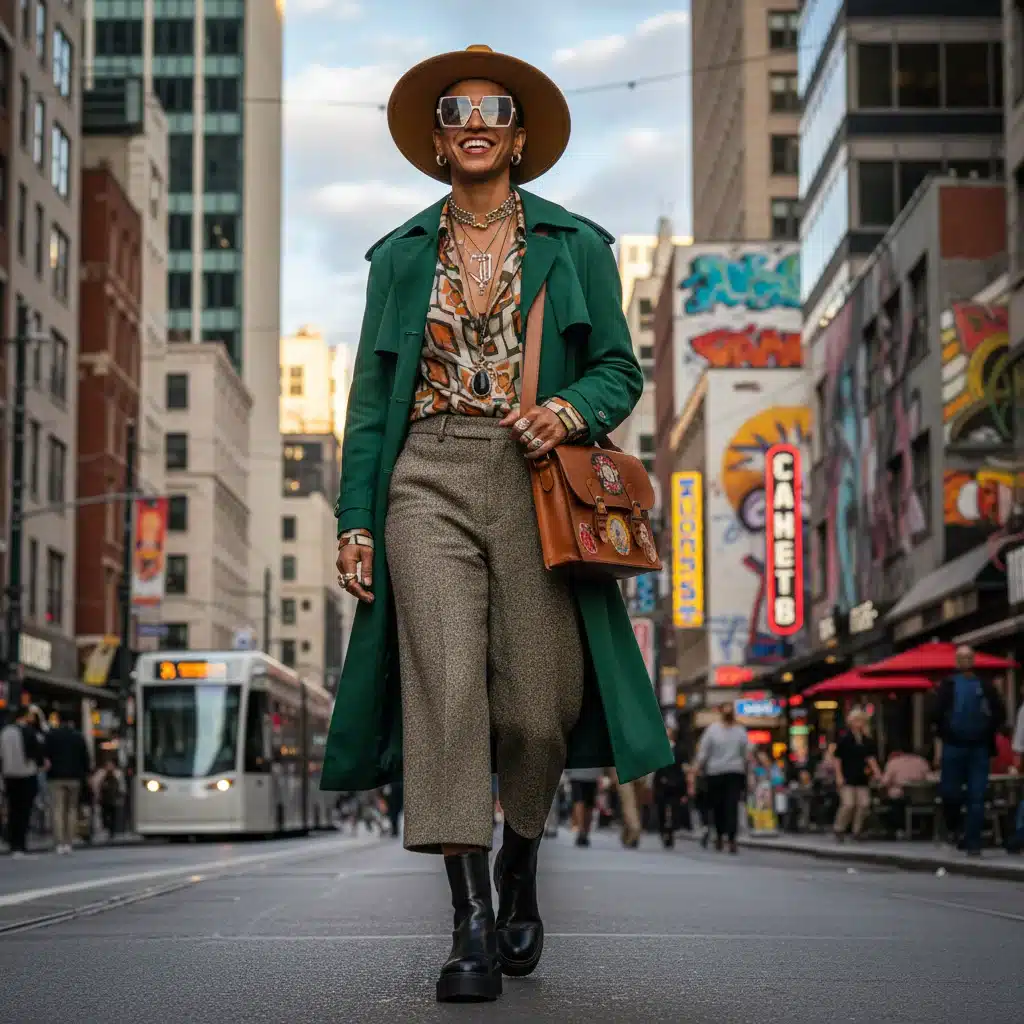
The fashion industry, long synonymous with rapid consumption and environmental impact, is undergoing a profound transformation. As we look towards 2026, the shift towards sustainable fashion trends is no longer a niche movement but a mainstream imperative. Consumers are becoming increasingly aware of the ecological and social footprint of their clothing choices, driving brands to innovate and adapt. This comprehensive guide will delve into the five pivotal sustainable fashion trends that are not only shaping the industry but also influencing your wardrobe decisions right now and into the near future. Understanding these trends is crucial for anyone looking to make more ethical, environmentally friendly, and ultimately, more stylish choices.
The urgency for sustainable practices in fashion stems from alarming statistics: the industry is a major contributor to global pollution, water waste, and carbon emissions. Fast fashion’s relentless cycle of production and disposal leads to mountains of textile waste, often ending up in landfills. However, a new consciousness is emerging, championed by designers, consumers, and policymakers alike. This guide aims to equip you with the knowledge to navigate this evolving landscape, highlighting how these sustainable fashion trends offer practical solutions and exciting possibilities for a more responsible approach to dressing.
From the resurgence of timeless designs to the cutting-edge science behind bio-fabricated textiles, the future of fashion is intrinsically linked with sustainability. Embracing these trends means more than just buying ‘green’; it signifies a fundamental shift in our relationship with clothes – moving from disposable items to cherished possessions. Join us as we explore how these five key trends are redefining style, ethics, and environmental responsibility in the world of fashion, setting the stage for a more conscious and beautiful 2026.
1. The Rise of Circular Fashion: Beyond Recycling
The concept of linear fashion – take, make, dispose – is rapidly becoming obsolete. In its place, circular fashion is emerging as a cornerstone of sustainable fashion trends for 2026. This isn’t just about recycling garments; it’s a holistic approach that rethinks the entire lifecycle of a product, from design and production to consumption and end-of-life. The goal is to keep resources in use for as long as possible, extract the maximum value from them whilst in use, then recover and regenerate products and materials at the end of each service life.
Understanding the Circular Model
At its core, circular fashion aims to eliminate waste and pollution, circulate products and materials, and regenerate natural systems. This involves several key strategies:
- Design for Longevity: Creating durable, high-quality garments that are built to last, reducing the need for frequent replacements.
- Design for Cyclability: Using materials that can be easily recycled, composted, or upcycled into new products without losing quality. This includes single-fiber compositions and avoiding complex material blends.
- Rental and Resale Platforms: The booming second-hand market and garment rental services are integral to circularity. They extend the life of clothing, making fashion more accessible and reducing the demand for new production.
- Repair and Upcycling Initiatives: Encouraging consumers to repair damaged clothing rather than discarding it, and transforming old garments into new, unique pieces.
- Take-back Programs: Brands offering to collect old garments from customers for recycling or repurposing, closing the loop on their products.
Impact on Consumer Choices
For consumers, embracing circular fashion means a shift in mindset. Instead of chasing fleeting trends, the focus is on investing in quality pieces, exploring rental options for special occasions, and actively participating in the resale market. It also encourages a deeper appreciation for the craftsmanship and resources that go into each garment. The longevity of items becomes a key purchasing factor, as does the brand’s commitment to take-back and recycling programs. This trend empowers consumers to become active participants in reducing textile waste and promoting a more resource-efficient industry, aligning perfectly with the evolving sustainable fashion trends of 2026.
The growth of platforms like The RealReal, Vestiaire Collective, and Rent the Runway demonstrates the mainstream acceptance of this model. These platforms are not only environmentally beneficial but also offer economic advantages, allowing consumers to monetize their existing wardrobes or access luxury items at a fraction of the retail price. As technology advances, tracking and tracing materials through their lifecycle will become even more sophisticated, further solidifying circularity as a defining characteristic of sustainable fashion trends.
2. Innovative Sustainable Materials: The Future Fabric
The textiles we wear are at the heart of fashion’s environmental impact. Traditional materials like conventional cotton and polyester often come with significant ecological footprints. However, 2026 will see an acceleration in the development and adoption of innovative sustainable materials, revolutionizing how clothes are made and what they are made from. This focus on advanced textiles is a critical component of evolving sustainable fashion trends.
Breakthroughs in Material Science
Researchers and innovators are constantly pushing the boundaries of material science, leading to exciting new options:
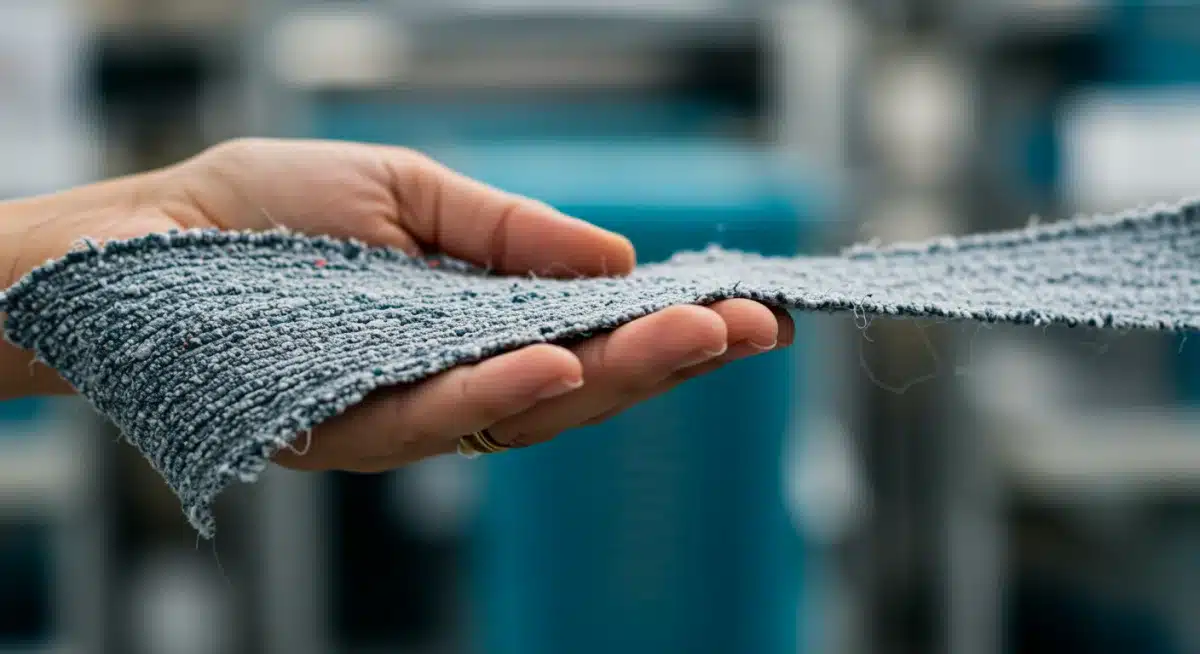
- Bio-based Materials: Fabrics derived from natural, renewable resources. This includes materials like Tencel (lyocell) made from wood pulp, Pinatex (pineapple leaf fibers), Mylo (mushroom leather), and even fabrics made from algae or citrus waste. These materials often require less water, pesticides, and land compared to conventional alternatives.
- Recycled and Upcycled Materials: Beyond traditional recycled polyester (rPET), the industry is exploring more sophisticated ways to recycle textiles, including chemical recycling that breaks down fibers to their molecular level for regeneration. Upcycling, transforming discarded materials into new products, also gains traction, reducing waste and conserving resources.
- Lab-Grown and Bio-fabricated Materials: The frontier of sustainable materials includes textiles grown in labs. This involves bio-engineered silk, vegan leather alternatives created from microbial cellulose, or even spider silk spun by yeast. These innovations offer the potential for materials with superior performance characteristics and minimal environmental impact.
- Low-Impact Dyes and Finishing: The dyeing process is notoriously water and chemical-intensive. Innovations in this area include natural dyes, digital printing to reduce water usage, and closed-loop systems that recycle water and chemicals.
Consumer Adoption and Brand Commitment
As these innovative materials become more accessible and cost-effective, consumers will increasingly seek them out. Brands that invest in and promote the use of these materials will gain a significant competitive advantage. Education will play a vital role, as consumers learn about the benefits of choosing a mushroom leather handbag over a conventional leather one, or a Tencel dress over a cotton one. The tactile experience and performance of these new fabrics are also improving rapidly, challenging the notion that sustainable means compromising on quality or aesthetics. This shift towards advanced, eco-friendly textiles is undeniably one of the most impactful sustainable fashion trends for 2026.
3. Transparency and Traceability: Knowing Your Clothes
In an era of increasing skepticism and demand for accountability, transparency and traceability are becoming non-negotiable for fashion brands. Consumers no longer just want to know what their clothes are made of; they want to know how they are made, who made them, and the journey they took from raw material to retail shelf. This drive for openness is a powerful force among current sustainable fashion trends.
The Demand for Supply Chain Visibility
A typical garment’s supply chain can involve numerous stages and countries, making it incredibly complex. Transparency aims to shed light on every step, from the origin of raw materials to the manufacturing facilities and transportation networks. Key aspects include:
- Ethical Labor Practices: Ensuring fair wages, safe working conditions, and no forced or child labor throughout the supply chain.
- Environmental Impact Disclosure: Providing data on water usage, carbon emissions, and waste generation associated with production.
- Material Sourcing: Verifying the sustainable origin of materials, such as organic cotton, recycled fibers, or responsibly managed forests for wood-based textiles.
- Certifications and Standards: Relying on third-party certifications (e.g., GOTS, Fair Trade, Oeko-Tex) that verify environmental and social standards.
Technology as an Enabler
Advancements in technology are making unprecedented levels of transparency possible:
- Blockchain Technology: Offers a secure and immutable ledger for tracking every step of a garment’s journey. This can verify the authenticity of materials, track labor conditions, and provide consumers with verifiable proof of sustainability claims.
- QR Codes and Digital Product Passports: Many brands are now integrating QR codes on their labels that, when scanned, provide a wealth of information about the product’s origins, materials, and ethical credentials. These digital passports offer a direct link to the garment’s story.
- Data Analytics and AI: Tools that help brands map their supply chains, identify risks, and gather data on their environmental and social performance.
For consumers, this means the ability to make truly informed purchasing decisions. Brands that are genuinely committed to sustainability will embrace transparency as a competitive advantage, building trust and loyalty. Those that resist will likely face increased scrutiny and lose market share to more open competitors. This push for transparency is not just a trend; it’s a fundamental shift in corporate responsibility, profoundly impacting sustainable fashion trends in 2026 and beyond.
4. Conscious Consumerism and Mindful Wardrobes
The power to drive change ultimately lies with the consumer. Conscious consumerism, a movement centered on making purchasing decisions based on ethical, environmental, and social considerations, is gaining immense traction. This trend directly influences sustainable fashion trends by shifting demand towards more responsible products and practices. It’s about buying less, choosing well, and making it last.
Shifting Consumer Behavior
Mindful wardrobes are built on principles that challenge the fast fashion paradigm:
- Investment Pieces: Prioritizing quality over quantity, investing in timeless, durable garments that transcend seasonal trends. This reduces the need for constant replenishment and minimizes waste.
- Versatility and Multi-functionality: Opting for clothes that can be styled in multiple ways or serve different purposes, maximizing their utility and reducing the overall number of items needed.
- Personal Style Over Trends: Developing a strong sense of personal style that is less susceptible to fleeting trends, leading to a more consistent and sustainable wardrobe.
- Care and Maintenance: Learning how to properly care for clothes to extend their lifespan, including appropriate washing, drying, and storage techniques.
- Refusal of ‘New’: Actively seeking out second-hand, vintage, or rented clothing before considering new purchases.
The Influence of Digital Communities
Social media and online communities play a significant role in fostering conscious consumerism. Influencers and activists are raising awareness about fashion’s impact, sharing tips for sustainable living, and promoting ethical brands. This collective consciousness empowers individuals to make better choices and hold brands accountable. Review platforms and forums also allow consumers to share their experiences with sustainable brands, further amplifying the movement. The rise of minimalism and capsule wardrobes are direct manifestations of this trend, encouraging individuals to curate a functional and stylish wardrobe with fewer, more thoughtfully chosen items. This cultural shift towards conscious consumption is a driving force behind the most significant sustainable fashion trends we’re seeing.
5. Local Production and Artisanal Craftsmanship: Valuing Heritage and Community
Amidst a globalized world, there’s a growing appreciation for local production and artisanal craftsmanship. This trend, which emphasizes quality, heritage, and community empowerment, is a crucial element of future sustainable fashion trends. It offers an antidote to the often-anonymous and exploitative practices of mass production.
Benefits of Localized Supply Chains
Bringing production closer to home offers several advantages:
- Reduced Carbon Footprint: Shorter supply chains mean less transportation, leading to lower greenhouse gas emissions.
- Ethical Labor Monitoring: It’s easier to ensure fair wages, safe working conditions, and adherence to labor laws when production is local and transparent.
- Support for Local Economies: Investing in local production creates jobs, supports skilled craftspeople, and strengthens regional economies.
- Preservation of Traditional Skills: Many artisanal techniques are at risk of being lost. Local production helps preserve these valuable cultural heritage skills.
- Greater Quality Control: Proximity to manufacturing allows for closer oversight of production processes and quality standards.
- Faster Response to Demand: Localized production can be more agile, responding quickly to consumer preferences and reducing overproduction.
The Appeal of Artisan-Made Goods
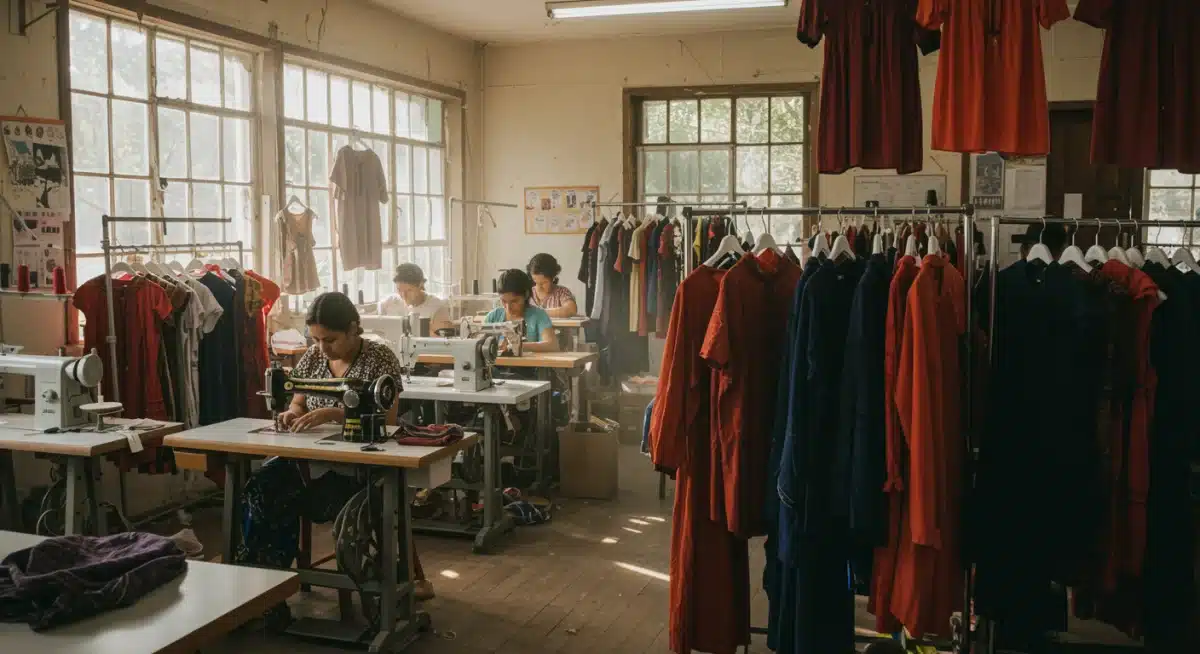
Consumers are increasingly valuing the story behind their clothes. Artisan-made garments often carry a unique narrative, reflecting the skill, dedication, and cultural heritage of their creators. There’s a growing desire for items that feel special, have character, and are distinct from mass-produced goods. This appreciation extends to natural dyes, hand-weaving techniques, and bespoke tailoring, all of which contribute to the longevity and unique appeal of the garment. Brands that champion local artisans and integrate traditional craftsmanship into their modern designs are finding a receptive audience. This focus on ethical, small-scale production and the celebration of handcrafted items is a powerful and beautiful aspect of the sustainable fashion trends we anticipate for 2026.
The Intersection of Technology and Sustainability
It’s important to note that many of these sustainable fashion trends are amplified and enabled by technological advancements. From AI-driven supply chain optimization to blockchain for transparency, and from bio-engineering new materials to 3D printing for on-demand production, technology is a powerful ally in the quest for a more sustainable fashion industry. Digital platforms facilitate resale and rental, while advanced analytics help brands reduce waste and improve efficiency. This synergy between innovation and ethics is accelerating the transformation of fashion, making sustainable practices more feasible and widespread. As we move towards 2026, expect to see even more integration of cutting-edge tech in every facet of sustainable clothing production and consumption.
Overcoming Challenges and Looking Ahead
While the momentum for sustainable fashion trends is undeniable, the industry still faces significant challenges. Scaling sustainable materials, ensuring true transparency across complex global supply chains, and shifting deeply ingrained consumer behaviors all require concerted effort. Greenwashing – where brands make misleading claims about their environmental practices – remains a concern, making the need for robust certifications and transparent reporting even more critical.
However, the future is bright. As awareness grows, governmental regulations become stricter, and technological innovations continue to emerge, the path towards a fully sustainable fashion industry becomes clearer. Consumers have a vital role to play by asking questions, supporting ethical brands, and making thoughtful choices. Every purchase is a vote for the kind of fashion future we want to create.
Conclusion: Your Role in the Sustainable Fashion Revolution
The year 2026 marks a critical juncture in the evolution of fashion. The five key sustainable fashion trends – circularity, innovative materials, transparency, conscious consumerism, and local production – are not isolated movements but interconnected pillars supporting a more ethical and environmentally responsible industry. These trends offer a roadmap for brands to innovate and for consumers to make more impactful choices.
Embracing sustainable fashion doesn’t mean sacrificing style or personal expression. On the contrary, it encourages creativity, thoughtful curation, and a deeper connection to the clothes we wear. By understanding these trends, you are empowered to contribute to a positive change, building a wardrobe that not only looks good but also does good. Your choices have power. Let’s collectively shape a fashion future that is sustainable, equitable, and beautiful for all.
By prioritizing quality over quantity, demanding transparency, exploring new materials, and supporting local craftsmanship, you become an active participant in this vital revolution. The journey towards a fully sustainable fashion industry is ongoing, but with these trends as our guide, 2026 promises to be a year of significant progress and exciting new possibilities.