The 2026 Wellness Tech Boom: Top 5 Mental Health Apps Analyzed
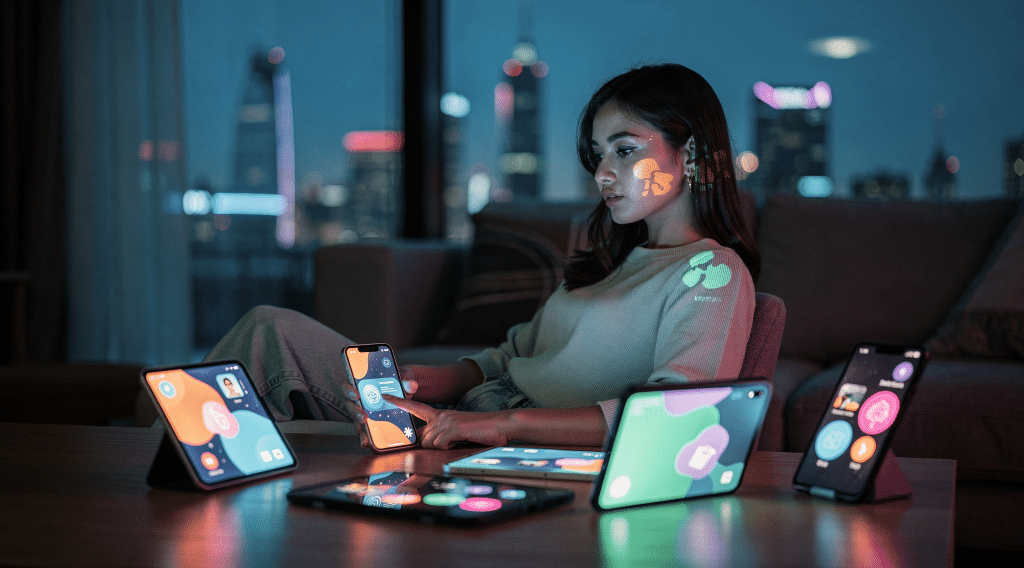
The 2026 Wellness Tech Boom: Comparison and Analysis of 5 Top Apps for Mental Health Support
The landscape of personal well-being has been irrevocably transformed by technology. As we delve deeper into 2026, the ‘wellness tech boom’ is no longer a nascent trend but a fully-fledged revolution, particularly in the realm of mental health. The ubiquity of smartphones and the increasing awareness surrounding mental well-being have converged to create a fertile ground for innovative digital solutions. These mental health apps are not just tools; they are companions, therapists, coaches, and communities, all accessible at our fingertips.
In an era where stress, anxiety, and depression are increasingly prevalent, the demand for accessible, affordable, and effective mental health support has never been higher. Traditional therapy, while invaluable, often faces barriers such as cost, stigma, and geographical constraints. This is where the digital revolution steps in, offering a diverse array of applications designed to complement, and in some cases, even substitute, conventional methods of care. From guided meditations to AI-powered therapy bots, the options are vast and ever-expanding.
This article aims to navigate this burgeoning market by providing a comprehensive comparison and analysis of five of the leading mental health apps projected to dominate the wellness tech space in 2026. We will explore their unique features, underlying methodologies, target audiences, and overall effectiveness, helping you make informed decisions about which digital companion best suits your individual needs for mental health support.
The Evolving Landscape of Mental Health Apps: What Defines a Leader in 2026?
Before we dive into specific applications, it’s crucial to understand the criteria that elevate certain mental health apps above the rest in the competitive 2026 market. Beyond basic functionality, leading apps distinguish themselves through a blend of scientific backing, user-centric design, robust privacy features, and innovative approaches to engagement and personalization.
Firstly, scientific validation is paramount. The most reputable mental health apps are built upon evidence-based practices such as Cognitive Behavioral Therapy (CBT), Dialectical Behavior Therapy (DBT), mindfulness-based stress reduction (MBSR), and positive psychology. They often collaborate with mental health professionals and researchers to ensure their interventions are not only effective but also safe.
Secondly, user experience (UX) and user interface (UI) design play a critical role. An app can offer the most cutting-edge features, but if it’s difficult to navigate, aesthetically unappealing, or causes frustration, users will quickly abandon it. Seamless onboarding, intuitive layouts, and engaging content are essential for sustained use, which is key to seeing therapeutic benefits from mental health apps.
Thirdly, data privacy and security cannot be overstated. Mental health information is deeply personal and sensitive. Leading apps employ stringent encryption protocols, adhere to global data protection regulations (like GDPR and HIPAA where applicable), and maintain transparent privacy policies. Users need to feel confident that their personal data is protected and not misused.
Finally, innovation in personalization and accessibility is a hallmark of top-tier mental health apps. This includes AI-driven content recommendations, adaptive learning algorithms that tailor interventions to individual progress, multilingual support, and features that cater to diverse needs, including those with specific mental health conditions or disabilities. The best apps understand that mental health is not a one-size-fits-all journey.
Deep Dive into the Top 5 Mental Health Apps of 2026
1. Calm: The Pioneer of Mindfulness and Sleep
Overview: Calm has consistently been a frontrunner in the mindfulness and meditation space, and its influence is only projected to grow by 2026. Renowned for its serene interface and vast library of guided meditations, sleep stories, breathing programs, and masterclasses, Calm has positioned itself as a holistic well-being platform. It’s particularly adept at helping users manage stress, improve sleep quality, and cultivate a sense of inner peace. The app’s commitment to continuous content expansion and collaborations with celebrities and experts keeps its offerings fresh and engaging.
Key Features:
- Guided Meditations: A wide range of sessions for various purposes, from beginner to advanced, covering topics like anxiety, stress, gratitude, and focus.
- Sleep Stories: Bedtime stories narrated by soothing voices (including celebrities) designed to lull users to sleep.
- Breathing Programs: Exercises to calm the nervous system and improve concentration.
- Masterclasses: In-depth audio programs on mental health topics taught by experts.
- Calm Body: Gentle stretching and movement exercises to release tension.
- Daily Calm: A new 10-minute guided meditation program each day.
Methodology: Calm primarily utilizes mindfulness-based stress reduction (MBSR) techniques, drawing from ancient meditation practices adapted for modern lifestyles. Its focus on present-moment awareness and non-judgmental observation helps users develop emotional regulation skills and reduce reactivity to stressors. The sleep content incorporates principles of sleep hygiene and relaxation techniques.
Target Audience: Individuals seeking to reduce stress, improve sleep, learn meditation, and cultivate daily mindfulness. It’s suitable for both beginners and experienced practitioners.
Strengths: High-quality content, user-friendly interface, diverse offerings, strong brand recognition, and effective for sleep improvement. The app’s aesthetic appeal and soothing auditory experiences are particularly strong.
Areas for Improvement: While it offers some anxiety-focused content, it’s less geared towards clinical intervention for severe mental health conditions compared to apps with a stronger CBT focus. The premium subscription can be a barrier for some.
2. Headspace: The Science-Backed Meditation Guide
Overview: Headspace, much like Calm, has been a dominant force in the meditation space, distinguished by its playful animation style and a strong emphasis on the scientific benefits of mindfulness. By 2026, Headspace continues to expand its reach, integrating more deeply into corporate wellness programs and healthcare partnerships. Its structured approach to teaching meditation makes it particularly effective for those new to the practice. It’s not just about meditation; it’s about understanding the ‘why’ behind the ‘how’.
Key Features:
- Guided Meditations: Hundreds of themed sessions, including ‘Basics’ for beginners, and specialized packs for stress, anxiety, focus, and relationships.
- Sleepcasts: Unique audio experiences combining storytelling and ambient sounds to aid sleep.
- Movement and Mindful Fitness: Guided workouts and stretching routines led by Olympic athletes and experts.
- Focus Music: Curated playlists to help users concentrate.
- Kids Meditations: Age-appropriate mindfulness exercises for children.
- SOS Sessions: Quick meditations for moments of crisis or intense emotion.
Methodology: Headspace is firmly rooted in secular mindfulness and cognitive science. It breaks down complex meditative concepts into digestible, actionable steps, making mindfulness accessible to a broad audience. The app often explains the neurological and psychological benefits of each practice, fostering a deeper understanding and commitment from users. Its emphasis on short, daily practices promotes consistency.
Target Audience: Beginners to meditation, individuals seeking to improve focus, manage daily stress, enhance sleep, and foster emotional resilience. Also popular in corporate wellness programs.
Strengths: Excellent for beginners, strong scientific backing, engaging animations, diverse content including movement and kids’ meditations, and a clear, progressive learning path.
Areas for Improvement: Similar to Calm, while it helps with anxiety, it doesn’t offer direct therapeutic interventions. Some users might find the animations less appealing than Calm’s more realistic imagery.
3. BetterHelp: Accessible Online Therapy at Your Fingertips
Overview: BetterHelp stands out from the meditation-focused apps by offering direct access to licensed mental health professionals. By 2026, its model of remote, subscription-based therapy has become an even more critical component of the wellness tech ecosystem, bridging the gap for those who face barriers to traditional in-person therapy. It connects users with therapists via video, phone, or text, providing a flexible and convenient alternative for mental health support.
Key Features:
- Licensed Therapists: Access to a vast network of accredited psychologists, marriage and family therapists, clinical social workers, and professional counselors.
- Multiple Communication Modes: Live video sessions, phone calls, live chat, and unlimited messaging with your therapist.
- Therapist Matching: An algorithm matches users with therapists based on their needs and preferences, with the option to switch therapists if needed.
- Group Webinars: Access to weekly interactive group sessions on various mental health topics.
- Journaling Tools: Integrated journaling features to track thoughts and progress.
Methodology: BetterHelp facilitates evidence-based psychotherapy, including CBT, DBT, psychodynamic therapy, and humanistic approaches, delivered by licensed professionals. The methodology is entirely dependent on the individual therapist’s expertise and the client’s needs, offering a personalized therapeutic experience that mirrors traditional therapy but in a digital format.
Target Audience: Individuals seeking professional therapy for a range of mental health concerns, including depression, anxiety, relationship issues, trauma, stress, and more. It’s particularly appealing to those who prefer the convenience and accessibility of online therapy or live in areas with limited access to in-person care.
Strengths: High accessibility to licensed therapists, flexible communication options, diverse range of therapeutic approaches, and often more affordable than traditional therapy. It directly addresses the need for clinical intervention.
Areas for Improvement: The quality of therapy can vary depending on the individual therapist. It’s not suitable for severe mental health crises requiring immediate intervention. The subscription model might still be costly for some without insurance coverage.
4. Talkspace: Comprehensive Online Psychiatry and Therapy
Overview: Similar to BetterHelp, Talkspace offers online therapy, but by 2026, it has further solidified its position by expanding into online psychiatry services, including medication management. This integrated approach makes it a powerful contender for individuals seeking a more comprehensive mental health solution. Talkspace emphasizes privacy and convenience, making professional mental health care more attainable for a broader demographic.
Key Features:
- Licensed Therapists and Psychiatrists: Access to a network of professionals for therapy and, uniquely, psychiatric evaluations and medication management.
- Unlimited Messaging Therapy: The core offering, allowing users to send text, audio, and video messages to their therapist at any time.
- Live Sessions: Optional live video sessions with therapists.
- Psychiatry Services: Online consultations with psychiatrists for diagnosis, prescription, and ongoing medication management.
- Specialized Programs: Tailored programs for specific issues like LGBTQ+ affirming therapy, teen therapy, and couples therapy.
Methodology: Talkspace utilizes a similar range of evidence-based therapeutic modalities as traditional therapy, delivered by licensed professionals. The addition of psychiatry services allows for a biopsychosocial approach, addressing both psychological and biological aspects of mental health conditions. The unlimited messaging model is designed to provide continuous support and foster a stronger therapeutic alliance.
Target Audience: Individuals looking for accessible, ongoing therapy, those who prefer text-based communication, or those who require psychiatric evaluation and medication management in addition to therapy. It’s a strong option for busy individuals or those in remote areas.
Strengths: Integration of therapy and psychiatry (medication management), unlimited messaging for continuous support, wide range of specialized programs, and high convenience. Strong privacy and security measures.
Areas for Improvement: Cost can still be a significant factor, especially for psychiatry services. The effectiveness of messaging therapy can vary depending on individual communication styles and the severity of the condition. Not suitable for acute emergencies.
5. Moodfit: Personalized Tools for Mental Fitness
Overview: Moodfit differentiates itself by offering a suite of personalized tools and exercises without necessarily connecting users to a live therapist, though it can facilitate that connection. By 2026, Moodfit has evolved into a sophisticated ‘mental fitness’ app, using AI and user input to create highly individualized programs for improving mood and reducing symptoms of anxiety and depression. It’s an excellent choice for those who prefer a self-guided approach augmented by smart technology.
Key Features:
- Personalized Program: Based on initial assessments, Moodfit creates a customized plan incorporating various techniques.
- Cognitive Behavioral Therapy (CBT) Tools: Exercises to identify and challenge negative thought patterns, including thought records and gratitude journals.
- Mindfulness & Meditation: Guided meditations and breathing exercises.
- Mood Tracking: Comprehensive tools to monitor mood, sleep, exercise, and other factors influencing mental well-being.
- Educational Content: Articles and insights into mental health conditions and coping strategies.
- Goal Setting: Features to set and track personal mental health goals.
Methodology: Moodfit is primarily built on principles of CBT and positive psychology. It empowers users to understand their mental health patterns and develop coping mechanisms through structured exercises and self-monitoring. The personalization engine is key, adapting content based on user responses and progress, making the journey feel tailored and relevant. It emphasizes skill-building and self-management.
Target Audience: Individuals looking for self-help tools to manage mild to moderate symptoms of anxiety and depression, improve overall mood, and build mental resilience. It’s also suitable for those who want to supplement professional therapy with digital tools.
Strengths: Highly personalized experience, strong focus on CBT techniques, comprehensive mood tracking, educational resources, and a proactive approach to mental fitness. It offers a lot of value for a potentially lower cost than direct therapy apps.
Areas for Improvement: Lacks direct human interaction for therapy (though it can refer). May not be sufficient for individuals with severe mental health conditions requiring clinical oversight. Requires self-discipline for consistent engagement.
Comparative Analysis: Choosing Your Ideal Mental Health App
The choice among these leading mental health apps ultimately depends on individual needs, preferences, and the severity of one’s mental health concerns. Here’s a comparative overview:
For Mindfulness and Stress Reduction: Calm vs. Headspace
Both Calm and Headspace are exceptional for cultivating mindfulness, improving sleep, and managing everyday stress. Calm often appeals to those who prefer a more serene, aesthetically pleasing experience with a strong emphasis on sleep stories and relaxing soundscapes. Headspace, with its animated guides and structured learning paths, is ideal for beginners who appreciate a more educational and science-backed approach to meditation. Many users subscribe to both, leveraging Calm for sleep and Headspace for daytime mindfulness practices.
For Professional Therapeutic Support: BetterHelp vs. Talkspace
If professional therapy or psychiatric care is your primary need, BetterHelp and Talkspace are the go-to options. BetterHelp provides extensive access to licensed therapists across various modalities, with flexible communication. Talkspace distinguishes itself with its unlimited messaging therapy and, crucially, the integration of psychiatric services for medication management. The choice here often comes down to whether you prioritize messaging-based continuous support (Talkspace) or a wider range of live session options (BetterHelp), and if medication management is a necessity.
For Self-Guided Mental Fitness: Moodfit
Moodfit carves out its niche for individuals who prefer a highly personalized, self-guided approach to mental fitness. It’s not a replacement for therapy but an incredibly robust tool for building resilience, tracking mood, and applying CBT principles independently. It’s an excellent stepping stone for those exploring mental health support or wanting to actively participate in their own well-being journey with structured exercises.
Emerging Trends and Future Outlook of Wellness Tech
The wellness tech boom, particularly in mental health, is far from reaching its peak. By 2026 and beyond, we can expect several key trends to shape the evolution of these mental health apps:
- Hyper-Personalization with AI: Advanced AI and machine learning will enable apps to offer even more tailored interventions, predicting user needs and proactively suggesting relevant content or exercises. This could include real-time emotional detection through voice analysis or facial expressions (with strict privacy controls).
- Integration with Wearables and Biometrics: Apps will increasingly integrate with smartwatches and other wearables to track physiological markers like heart rate variability, sleep patterns, and activity levels, providing a more comprehensive picture of mental and physical well-being. This data can then inform personalized recommendations.
- VR/AR for Immersive Therapy: Virtual and augmented reality are poised to revolutionize exposure therapy, mindfulness exercises, and even social anxiety interventions, offering immersive and controlled environments for therapeutic experiences.
- Preventative Mental Health: There will be a stronger shift towards preventative mental health, with apps focusing on building resilience, stress inoculation, and promoting positive habits before severe symptoms emerge.
- Telehealth Expansion and Hybrid Models: Online therapy and psychiatry will continue to grow, with hybrid models combining digital tools with occasional in-person sessions becoming more common, offering the best of both worlds.
- Regulatory Scrutiny and Ethical AI: As these apps become more pervasive, there will be increased regulatory scrutiny regarding data privacy, clinical efficacy, and the ethical use of AI in mental health. Transparency and accountability will be crucial for user trust.
The Impact of Mental Health Apps on Society
The rise of mental health apps signifies a profound shift in how society approaches emotional and psychological well-being. They are democratizing access to care, breaking down stigmas, and empowering individuals to take a more active role in their mental health journey. The convenience and anonymity offered by these platforms can be particularly beneficial for populations who might otherwise struggle to seek help.
However, it’s also important to acknowledge that while these apps are powerful tools, they are not a panacea. For severe mental illnesses or crises, professional, in-person care remains indispensable. The most effective approach often involves a combination of digital tools and traditional therapy, creating a robust support system tailored to the individual.
The ongoing challenge for developers and mental health professionals will be to ensure that these apps are not only innovative and engaging but also ethically sound, clinically effective, and truly beneficial to the diverse needs of their users. As the wellness tech boom continues to surge, these mental health apps will undoubtedly remain at the forefront of shaping a healthier, more mindful future.
Conclusion: Navigating Your Digital Well-being Journey
The 2026 wellness tech boom offers an unprecedented array of mental health apps designed to support various aspects of well-being. Whether you’re looking for daily mindfulness, professional therapy, or self-guided mental fitness tools, there’s an app tailored for you. Calm and Headspace excel in meditation and stress reduction, offering distinct but equally valuable experiences. BetterHelp and Talkspace provide crucial access to licensed therapists and psychiatrists, bridging gaps in traditional care. Moodfit stands out for its personalized, self-directed approach to building mental resilience.
As you consider which of these mental health apps to integrate into your life, remember to assess your personal needs, comfort with technology, and budget. Always prioritize apps with strong privacy policies and, if seeking therapeutic intervention, ensure the professionals are licensed and accredited. The digital age has brought forth powerful allies in the quest for mental well-being; it’s now up to us to utilize them wisely to foster a healthier, happier future.