Gut Health Trends 2026: Your 6-Month Roadmap to Optimal Digestive Wellness
The landscape of health and wellness is constantly evolving, and at the forefront of this evolution is the burgeoning field of gut health. As we look towards 2026, the scientific understanding of our internal ecosystem, the gut microbiome, is reaching unprecedented levels. No longer just a buzzword, gut health is recognized as a cornerstone of overall well-being, influencing everything from immunity and mood to metabolism and chronic disease prevention. This comprehensive guide will delve into the most impactful gut health trends 2026 has to offer, providing you with a detailed 6-month plan to optimize your digestive wellness and unlock a healthier, more vibrant you.
For years, the focus was primarily on diet and exercise. While these remain crucial, the emerging trends for 2026 emphasize a more holistic, personalized, and scientifically-backed approach to nurturing our gut. We’re moving beyond generic advice to embrace precision nutrition, advanced diagnostic tools, and a deeper appreciation for the intricate connection between our gut and other bodily systems, particularly the brain. Prepare to transform your approach to well-being as we explore the future of digestive health.
Understanding the Core of Gut Health: Why It Matters More Than Ever
Before we dive into the specific gut health trends 2026, it’s essential to reiterate why this area of health is so critical. Your gut, specifically your large intestine, is home to trillions of microorganisms—bacteria, viruses, fungi, and other microbes—collectively known as the gut microbiome. This intricate community plays a pivotal role in numerous bodily functions:
- Digestion and Nutrient Absorption: The microbiome helps break down food components that our own enzymes cannot, extracting vital nutrients and producing beneficial compounds like short-chain fatty acids (SCFAs).
- Immune System Regulation: A significant portion of our immune system resides in the gut. A balanced microbiome trains immune cells, helping them distinguish between harmful pathogens and harmless substances, thereby preventing autoimmune reactions and allergies.
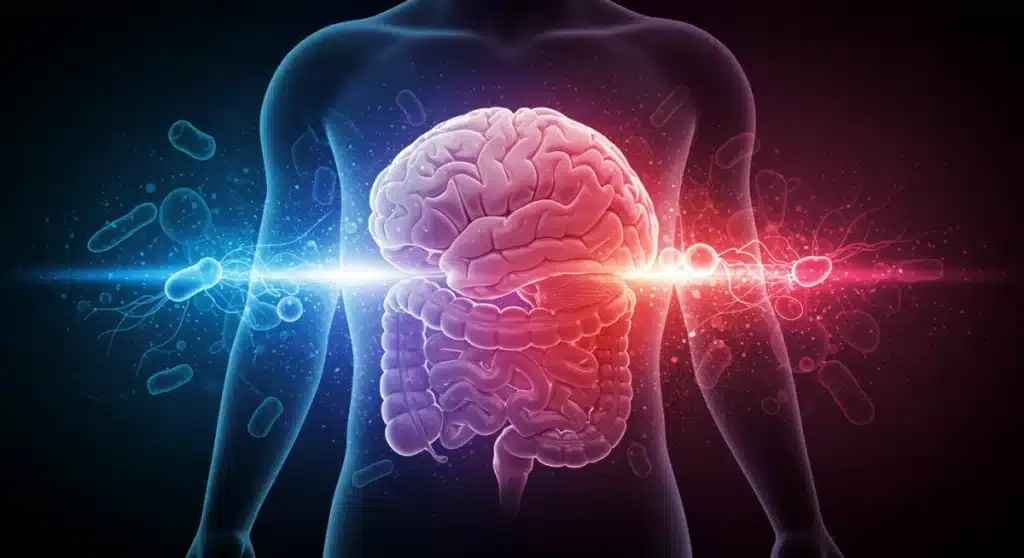
- Mood and Mental Health: The gut-brain axis, a bidirectional communication pathway, links the gut microbiome to the central nervous system. Gut microbes produce neurotransmitters like serotonin, dopamine, and GABA, profoundly impacting mood, anxiety, and cognitive function.
- Metabolism and Weight Management: The composition of your gut microbiome can influence how you store fat, how you balance blood sugar, and how you respond to hormones that regulate appetite.
- Protection Against Pathogens: A diverse and healthy microbiome creates a competitive environment, making it difficult for pathogenic bacteria to colonize and cause illness.
Disruptions to this delicate balance, often referred to as dysbiosis, have been linked to a wide array of health issues, including inflammatory bowel disease, irritable bowel syndrome (IBS), obesity, type 2 diabetes, allergies, autoimmune conditions, and even neurological disorders. Therefore, investing in your gut health is investing in your overall longevity and quality of life.
Top Gut Health Trends 2026: What to Expect
The year 2026 promises exciting advancements and a deeper integration of gut health principles into mainstream wellness. Here are the key trends that will shape our approach to digestive well-being:
1. Hyper-Personalized Gut Microbiome Interventions
The era of one-size-fits-all gut health advice is rapidly fading. In 2026, personalized nutrition and microbiome-targeted interventions will be paramount. Advances in sequencing technologies and AI-driven analytics will allow for more precise mapping of an individual’s gut microbiome composition. This data will then be used to create highly customized dietary recommendations, probiotic formulations, and lifestyle adjustments tailored to an individual’s unique microbial fingerprint and health goals.
- At-Home Microbiome Testing Kits: These kits will become even more sophisticated and accessible, offering detailed insights into microbial diversity, specific bacterial strains, and their potential impact on health.
- AI-Driven Dietary Recommendations: Algorithms will analyze microbiome data alongside personal health metrics and dietary preferences to suggest foods that specifically nurture beneficial bacteria and reduce inflammatory responses.
- Precision Probiotics and Prebiotics: Instead of broad-spectrum supplements, we’ll see a rise in highly targeted probiotic strains and specific prebiotic fibers chosen based on individual microbiome needs identified through testing.
2. The Deep Dive into the Gut-Brain-Axis (GBA)
The scientific community’s understanding of the gut-brain axis is exploding, and 2026 will see this knowledge translate into practical applications for mental health and cognitive function. Research will increasingly focus on how specific microbial metabolites, neurotransmitter production in the gut, and inflammatory signals impact conditions like anxiety, depression, autism spectrum disorders, and neurodegenerative diseases.
- Psychobiotics: A new class of probiotics and prebiotics specifically designed to improve mental health outcomes by influencing the gut-brain axis.
- Stress Management for Gut Health: Greater emphasis on practices like mindfulness, meditation, and yoga as direct interventions for improving gut health by modulating the stress response and its impact on the gut.
- Nutritional Psychiatry: Integrating gut-focused dietary strategies into mental health treatment plans, recognizing the profound link between what we eat, our gut microbes, and our emotional well-being.
3. The Rise of Postbiotics and Paraprobiotics
While probiotics (live beneficial bacteria) and prebiotics (food for beneficial bacteria) have been widely recognized, 2026 will bring postbiotics and paraprobiotics into the spotlight. Postbiotics are beneficial compounds produced by probiotic bacteria during fermentation (e.g., short-chain fatty acids, enzymes, peptides). Paraprobiotics are inactivated microbial cells or their components that still confer health benefits.
- Enhanced Stability and Shelf Life: Postbiotics and paraprobiotics offer advantages in terms of stability, storage, and ease of incorporation into various products, as they do not contain live organisms.
- Targeted Benefits: Specific postbiotic compounds can be isolated and delivered for particular health outcomes, such as immune modulation or anti-inflammatory effects, without the need for live bacterial colonization.
- New Product Formulations: Expect to see these ingredients integrated into a wider range of functional foods, beverages, and supplements.
4. Phage Therapy and Microbiome Engineering
Beyond traditional probiotics, bacteriophages (viruses that infect and kill specific bacteria) are emerging as a highly targeted tool for manipulating the gut microbiome. Phage therapy offers the potential to precisely eliminate problematic bacteria while leaving beneficial ones unharmed.
- Precision Antibiotics: Phages could represent a new frontier in combating antibiotic-resistant infections by targeting specific bacterial pathogens.
- Microbiome Reset: In cases of severe dysbiosis, phage cocktails might be used to selectively remove undesirable bacterial populations, paving the way for a healthier microbiome to flourish.
- Ethical Considerations: As with any powerful technology, discussions around the ethics and long-term safety of microbiome engineering will be prominent.
5. Gut Health as a Pillar of Longevity and Anti-Aging
The link between a healthy gut and healthy aging will be a major focus in 2026. Research is increasingly demonstrating that a diverse and balanced gut microbiome is associated with reduced inflammation, improved metabolic health, and enhanced cellular repair mechanisms—all crucial factors in extending healthspan and delaying age-related diseases.
- Microbiome-Based Biomarkers for Aging: Scientists will identify specific microbial signatures that correlate with biological age versus chronological age.
- Anti-Aging Gut Protocols: Dietary and lifestyle interventions specifically designed to foster a youthful microbiome will gain traction.
- Fecal Microbiota Transplants (FMT) for Specific Conditions: While still largely experimental, the therapeutic potential of FMT for conditions beyond C. difficile infection, including some age-related diseases, will continue to be explored.
Your 6-Month Plan for Optimal Digestive Wellness in 2026
Armed with knowledge about the latest gut health trends 2026, it’s time to put theory into practice. This 6-month plan offers a structured approach to gradually transform your gut health, focusing on sustainable changes and evidence-based strategies. Remember, consistency is key, and listening to your body is paramount.
Month 1: Foundation and Elimination
The first month is about laying a strong foundation by identifying and eliminating potential gut irritants. This sets the stage for healing and introduces beneficial practices.
- Dietary Audit and Elimination: For two weeks, remove common gut irritants like processed foods, excessive sugar, artificial sweeteners, gluten (if sensitive), and dairy (if intolerant). Focus on whole, unprocessed foods.
- Hydration Focus: Increase your daily water intake. Aim for at least 8 glasses of filtered water. Proper hydration is crucial for digestive motility and nutrient absorption.
- Mindful Eating: Practice eating slowly, chewing thoroughly, and paying attention to hunger and fullness cues. This aids digestion and reduces stress around meals.
- Stress Reduction: Introduce a daily 10-15 minute stress-reduction practice, such as meditation, deep breathing exercises, or gentle yoga.
- Sleep Optimization: Prioritize 7-9 hours of quality sleep per night. Sleep deprivation significantly impacts gut health.
Month 2: Reintroduction and Diversity
With a cleaner slate, month two focuses on carefully reintroducing foods and boosting microbial diversity.
- Strategic Reintroduction: If you eliminated foods in Month 1, reintroduce them one at a time over several days, observing any symptoms. This helps identify personal triggers.
- Fiber Power-Up: Gradually increase your intake of diverse plant fibers. Aim for a wide variety of fruits, vegetables, legumes, and whole grains. Different fibers feed different beneficial bacteria.
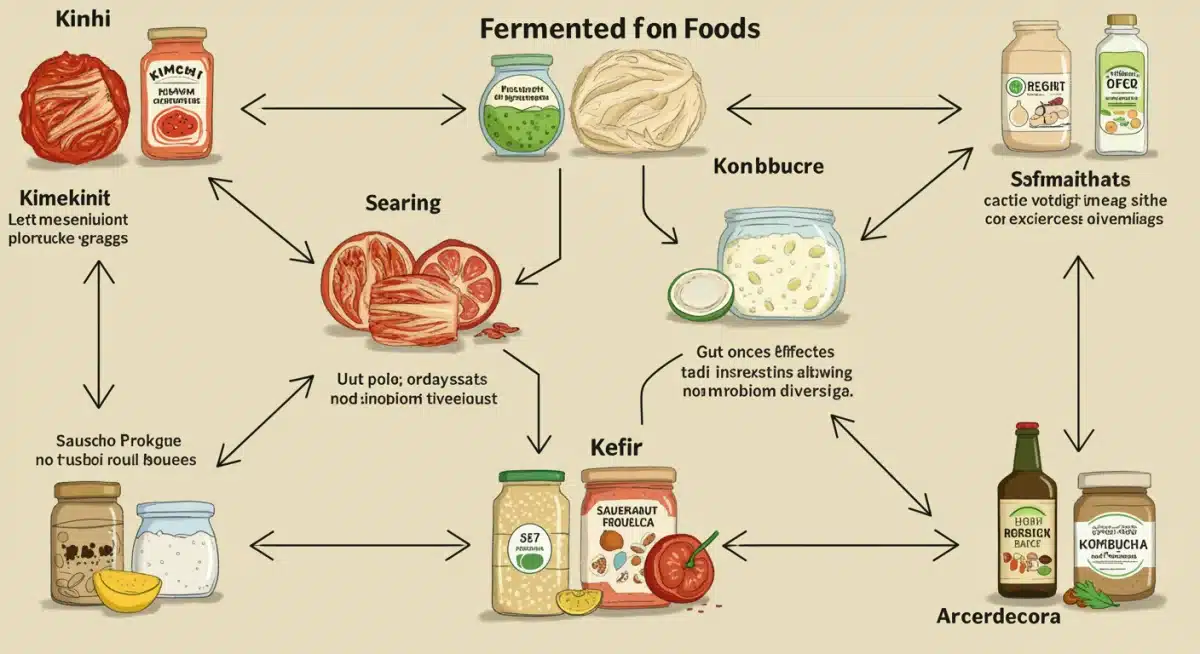
- Fermented Foods Introduction: Start incorporating fermented foods daily. Options include sauerkraut, kimchi, kefir, kombucha, and yogurt with live active cultures. Begin with small portions and gradually increase.
- Prebiotic Foods: Focus on foods rich in prebiotics such as garlic, onions, leeks, asparagus, bananas, and oats. These feed your beneficial gut bacteria.
- Movement: Incorporate regular moderate exercise (e.g., brisk walking, cycling) into your routine, which supports gut motility and reduces stress.
Month 3: Targeted Support and Gut-Brain Connection
Month three delves deeper into specific gut support and strengthening the gut-brain axis, a key aspect of gut health trends 2026.
- Probiotic Supplementation (Optional/Targeted): If you’re not getting enough through fermented foods or have specific issues, consider a high-quality, multi-strain probiotic. Consult a healthcare professional for personalized recommendations, especially if considering precision probiotics.
- Omega-3 Fatty Acids: Increase intake of anti-inflammatory omega-3s through fatty fish (salmon, mackerel), flaxseeds, chia seeds, and walnuts. Omega-3s can positively influence gut inflammation.
- Mind-Gut Practices: Deepen your stress reduction techniques. Explore guided meditations specifically for digestion or abdominal breathing exercises.
- Journaling: Start a gut-symptom journal to track food intake, symptoms, mood, and stress levels. This helps identify patterns and triggers.
- Herbal Support: Explore gut-supportive herbs like ginger (for digestion), peppermint (for IBS symptoms), or slippery elm (for soothing the gut lining), always under professional guidance.
Month 4: Nurturing the Gut Lining and Advanced Strategies
This month focuses on repairing and strengthening the intestinal barrier, often referred to as ‘leaky gut,’ and exploring more advanced approaches.
- Gut-Healing Nutrients: Incorporate nutrients known to support gut lining integrity, such as L-Glutamine (found in bone broth, meat, spinach), zinc (oysters, beef, pumpkin seeds), and collagen (bone broth, collagen peptides).
- Polyphenol-Rich Foods: Boost your intake of polyphenols from berries, dark chocolate, green tea, red wine (in moderation), and colorful vegetables. These compounds act as prebiotics and have antioxidant properties.
- Consider a Microbiome Test (If Not Done): If you haven’t already, now might be a good time to consider an at-home microbiome test (as per gut health trends 2026). This can provide valuable insights for further personalization.
- Intermittent Fasting (Optional): If appropriate for your health, consider introducing a gentle intermittent fasting routine (e.g., 12-14 hour fasting window). This can give your digestive system a rest and promote autophagy.
- Adequate Protein: Ensure sufficient protein intake for repair and regeneration of gut tissues.
Month 5: Refinement and Long-Term Sustainability
Month five is about consolidating progress, fine-tuning your approach, and planning for long-term gut health maintenance.
- Review and Adjust: Examine your gut-symptom journal. What’s working? What still needs attention? Adjust your diet and lifestyle based on your personal response.
- Diversify Your Diet Further: Continue to introduce new plant foods to maximize microbial diversity. Aim for 30+ different plant foods per week.
- Social Connection: Engage in social activities and maintain strong relationships. Social interaction and a sense of community have positive effects on stress and overall well-being, indirectly benefiting gut health.
- Natural Environment Exposure: Spend time in nature. Exposure to diverse outdoor environments has been linked to a more diverse microbiome.
- Chew Your Food: Re-emphasize thorough chewing. This is a simple yet powerful digestive aid.
Month 6: Integration and Future-Proofing Your Gut
By month six, you should feel significant improvements. This stage is about integrating these practices into a sustainable lifestyle and staying informed about future gut health trends 2026 and beyond.
- Maintenance Plan: Solidify your daily and weekly gut-friendly routines. This includes regular intake of fiber, fermented foods, hydration, stress management, and sleep.
- Continuous Learning: Stay updated on gut health research and emerging trends. Follow reputable sources and consider consulting a registered dietitian or gut health specialist for ongoing personalized advice.
- Address Lingering Issues: If you still have significant digestive concerns, consider working with a functional medicine practitioner or gastroenterologist for more in-depth testing and treatment.
- Celebrate Progress: Acknowledge how far you’ve come! Celebrate your improved energy, mood, and digestive comfort.
- Share Your Journey: Inspire others by sharing your positive experiences with friends and family.

Important Considerations and Disclaimers
While this 6-month plan is designed to be comprehensive and beneficial for most individuals, it’s crucial to remember a few points:
- Consult Your Healthcare Provider: Always consult with a doctor or qualified healthcare professional before making significant dietary or lifestyle changes, especially if you have pre-existing health conditions, are pregnant, or are taking medication. This plan is not a substitute for professional medical advice.
- Listen to Your Body: Everyone’s gut is unique. Pay close attention to how your body responds to different foods and practices. What works for one person may not work for another.
- Patience and Consistency: Gut healing takes time. Be patient with yourself and consistent with your efforts. Small, sustainable changes yield the best long-term results.
- Individual Variation: The severity of gut dysbiosis and individual sensitivities can vary greatly. Some individuals may require more intensive interventions or a longer timeline.
The Future is Gut-Centric
As we navigate the exciting landscape of gut health trends 2026, it’s clear that our understanding of the microbiome’s influence on overall health will only continue to deepen. The shift towards personalized, proactive, and holistic approaches to digestive wellness offers immense potential for improving quality of life and preventing chronic diseases. By embracing these trends and committing to a structured plan like the one outlined, you can take control of your gut health, fostering a thriving internal ecosystem that supports your physical, mental, and emotional well-being for years to come.
The journey to optimal gut health is not a destination but an ongoing process of learning, adaptation, and self-care. Start your 6-month plan today and experience the transformative power of a healthy gut. Your future self will thank you for investing in this vital aspect of your health.
Additional Resources for Your Gut Health Journey:
- The American Gut Project: https://americangut.org/
- The Gut-Brain Axis: https://www.ncbi.nlm.nih.gov/pmc/articles/PMC8900699/
- Precision Nutrition: https://www.precisionnutrition.com/