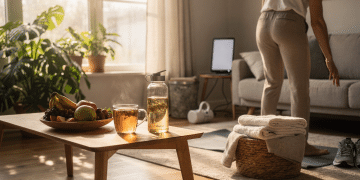
Home Wellness Optimization: 5 Simple Changes for a Healthier American Home
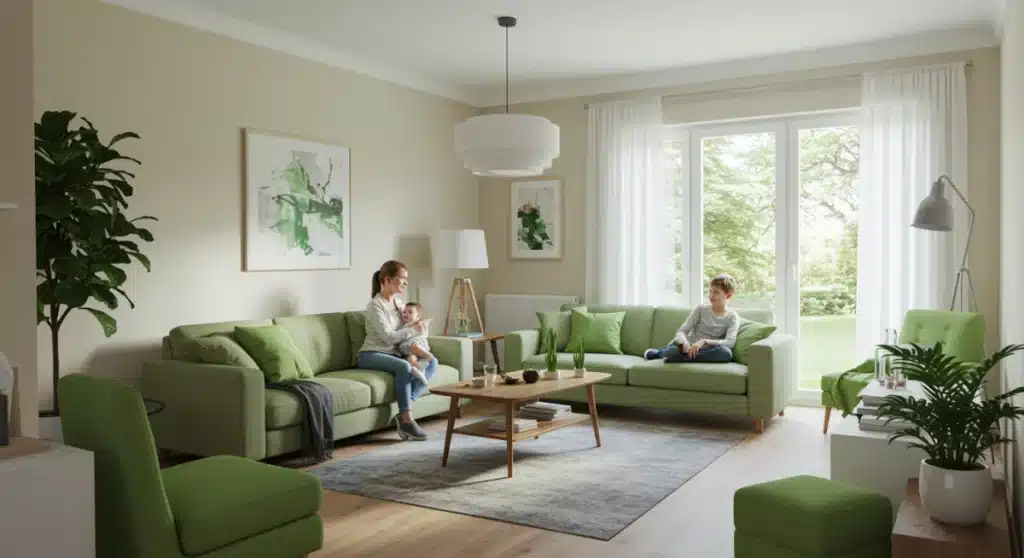
In the bustling rhythm of modern American life, our homes have become more than just shelters; they are sanctuaries, workplaces, and often, the primary environment shaping our daily well-being. The concept of Home Wellness Optimization is gaining significant traction, and for good reason. A well-optimized home environment can dramatically enhance physical health, mental clarity, and emotional balance. This comprehensive guide will explore five simple, yet profoundly impactful, changes Americans can make to improve their home environment by a remarkable 20%, fostering a healthier and happier life.
Think about it: how much time do you truly spend at home? For many, it’s the majority of their day – from waking up to winding down. The air we breathe, the light we experience, the sounds we hear, and even the organization of our spaces all contribute to our overall state of being. Ignoring these elements can lead to subtle but persistent stressors, impacting sleep, mood, and even physical health. Conversely, proactively addressing them can create a powerful foundation for a thriving life. This isn’t about expensive renovations or dramatic overhauls; it’s about intelligent, achievable adjustments that yield substantial benefits.
Our journey into Home Wellness Optimization begins with understanding that small changes can accumulate into significant improvements. We’ll delve into practical strategies that are accessible to everyone, regardless of budget or current living situation. From the air you inhale to the light that fills your rooms, each adjustment is designed to contribute to a more harmonious and health-promoting domestic sphere. Let’s embark on this transformative path to a healthier home and a healthier you.
1. Prioritize Indoor Air Quality: Breathe Easier for Better Health
One of the most critical, yet often overlooked, aspects of Home Wellness Optimization is indoor air quality. The air inside our homes can be two to five times more polluted than outdoor air, thanks to a cocktail of volatile organic compounds (VOCs) from cleaning products, furniture, carpets, and even personal care items, alongside allergens like dust mites, pet dander, and mold spores. Poor indoor air quality can lead to a host of health issues, including respiratory problems, allergies, headaches, and fatigue. Improving it is a cornerstone of effective home wellness.
Practical Steps for Superior Air Quality:
- Ventilation is Key: Regularly open windows and doors to allow fresh air to circulate, even for a few minutes each day. This simple act can significantly dilute indoor pollutants. Consider using exhaust fans in bathrooms and kitchens to remove moisture and cooking fumes.
- Invest in Air Purifiers: High-efficiency particulate air (HEPA) filters are excellent for capturing dust, pollen, pet dander, and other airborne particles. Look for models with activated carbon filters to absorb gases and odors. Place them in areas where you spend the most time, such as bedrooms and living rooms.
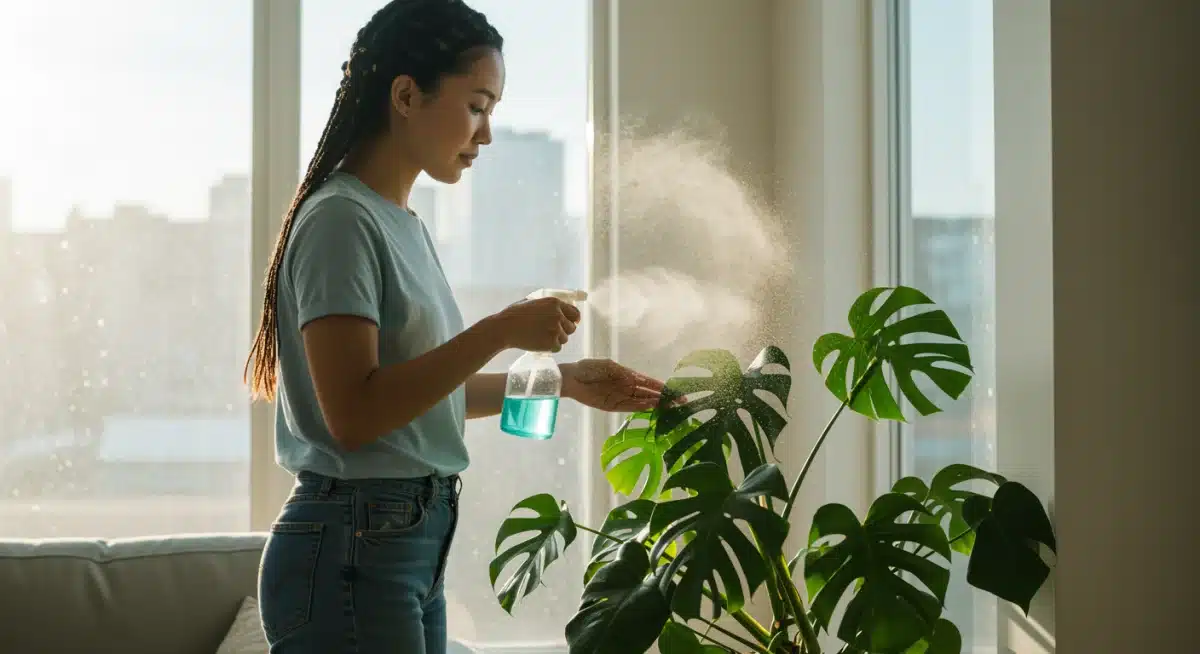
- Embrace Houseplants: Certain plants are natural air purifiers. Species like snake plants, peace lilies, spider plants, and Boston ferns are known to absorb toxins like formaldehyde and benzene from the air. Not only do they clean the air, but they also add a touch of nature and beauty to your home, contributing to overall Home Wellness Optimization.
- Reduce Chemical Use: Opt for natural, non-toxic cleaning products. Look for labels that are VOC-free or made with plant-based ingredients. Baking soda, vinegar, and lemon juice are powerful, eco-friendly alternatives for many cleaning tasks.
- Regular Cleaning and Dusting: Dust and vacuum regularly with a HEPA-filtered vacuum cleaner to remove accumulated allergens and pollutants. Wash bedding and curtains frequently.
By implementing these changes, you’ll notice a significant improvement in the freshness of your home and potentially a reduction in allergy symptoms or respiratory discomfort. A cleaner air environment directly contributes to better sleep, increased energy levels, and a stronger sense of well-being, making it a vital component of Home Wellness Optimization.
2. Optimize Lighting for Mood and Productivity: Harness the Power of Light
Light profoundly impacts our circadian rhythm, mood, and productivity. In our pursuit of Home Wellness Optimization, understanding and manipulating light sources within our homes can yield remarkable benefits. Many American homes rely heavily on artificial, often harsh, overhead lighting, which can disrupt sleep patterns and contribute to eye strain and headaches. The goal is to create a lighting scheme that supports natural rhythms and enhances various activities throughout the day.
Strategies for Lighting Optimization:
- Maximize Natural Light: Open curtains and blinds during the day. Consider sheer coverings that allow light in while maintaining privacy. Strategically placed mirrors can also reflect natural light deeper into rooms, brightening darker corners.
- Embrace Layered Lighting: Instead of a single overhead light, use a combination of ambient (general), task (for specific activities like reading or cooking), and accent (to highlight features) lighting. This creates depth and allows for adjustable illumination based on need and mood.
- Choose the Right Color Temperature: Light is measured in Kelvin (K). Cooler, bluer lights (5000K-6500K) are energizing and best for task-oriented areas like home offices or kitchens during the day. Warmer, yellower lights (2700K-3000K) promote relaxation and are ideal for bedrooms and living areas in the evening. Smart bulbs allow you to adjust color temperature throughout the day.
- Reduce Blue Light Exposure in Evenings: Blue light emitted from screens (phones, tablets, computers, TVs) can suppress melatonin production, interfering with sleep. Implement a ‘digital sunset’ an hour or two before bed, or use blue light filtering glasses and settings on your devices.
- Add Dimmers: Installing dimmers on your lights allows you to easily adjust the intensity, creating different atmospheres and conserving energy. This flexibility is key to effective Home Wellness Optimization.
By thoughtfully adjusting your home’s lighting, you can create spaces that support alertness and focus during the day and promote relaxation and restorative sleep at night. This simple yet powerful change significantly contributes to your overall well-being and is a cornerstone of effective Home Wellness Optimization.
3. Cultivate a Clutter-Free Environment: Clarity for the Mind
Clutter is more than just a mess; it’s a visual stressor that can negatively impact our mental state, productivity, and sense of peace. A cluttered home often leads to a cluttered mind, making it difficult to focus, relax, or feel truly at ease. Decluttering is a fundamental step in Home Wellness Optimization, creating space not just physically, but mentally and emotionally as well.
Strategies for Decluttering and Organization:
- Start Small: Don’t try to tackle your entire home at once. Begin with one drawer, one shelf, or one small area. The momentum from these small victories will encourage you to continue.
- The ‘One Year Rule’: If you haven’t used an item in a year, chances are you don’t need it. Be honest with yourself about what truly adds value to your life.
- Categorize and Conquer: When decluttering, create three piles: Keep, Donate/Sell, and Trash. Be ruthless in your decisions.
- Implement Storage Solutions: Once you’ve decluttered, invest in smart storage solutions – shelves, bins, baskets – to keep remaining items organized and out of sight. Vertical storage can be particularly effective in smaller spaces.
- Establish Daily Habits: Dedicate 10-15 minutes each day to tidying up. Put things back in their designated places immediately after use. This prevents clutter from accumulating again.
- Digital Decluttering: Don’t forget your digital space! Organize files, delete old emails, and manage your desktop. A clean digital environment contributes to mental clarity.
A clutter-free environment reduces visual noise, promotes a sense of calm, and makes your home feel more spacious and inviting. It frees up mental energy that was previously spent on searching for things or feeling overwhelmed. This aspect of Home Wellness Optimization is about creating a sanctuary where your mind can truly rest and recharge.
4. Integrate Nature and Biophilic Design: Bring the Outdoors In
Humans have an innate connection to nature, a concept known as biophilia. Integrating natural elements into our living spaces can significantly reduce stress, improve cognitive function, and boost mood. This is a powerful, yet often undervalued, component of Home Wellness Optimization. Bringing the outdoors in doesn’t just mean adding a few plants; it’s about thoughtfully incorporating natural textures, patterns, and views.
Ways to Embrace Biophilic Design:
- More Houseplants: Beyond their air-purifying benefits, plants add life, color, and a sense of tranquility. Create small indoor gardens, place plants on shelves, or hang them from ceilings. Choose plants that thrive in your home’s lighting conditions.
- Natural Materials and Textures: Incorporate wood, stone, cotton, linen, and wool into your decor. These materials evoke a sense of warmth and authenticity. Think wooden furniture, wool rugs, linen curtains, or stone accents.
- Access to Views: If you have a pleasant view, frame it! Keep windows clean and unobstructed. If your view is less inspiring, consider creating a small window box garden or placing a vibrant plant on the sill.
- Incorporate Natural Light: As discussed earlier, maximizing natural light is a key biophilic principle. It connects us to the cycles of the day and improves our mood.
- Water Features: Even a small tabletop fountain can provide soothing sounds and a sense of calm, mimicking natural streams or rainfall.
- Nature-Inspired Art: Hang artwork that depicts natural landscapes, seascapes, or botanical prints. These images can evoke feelings of peace and connection to the natural world.
- Aromatherapy with Essential Oils: Use diffusers with essential oils like lavender, cedarwood, or pine to bring natural scents into your home, enhancing the sensory experience of nature.
By consciously weaving natural elements into your home’s design, you create an environment that feels more alive, restorative, and harmonious. This deepens your connection to the natural world, even when you’re indoors, and is a crucial aspect of holistic Home Wellness Optimization.
5. Create Dedicated Zones for Relaxation and Activity: Structure for Serenity
In our increasingly multi-functional homes, it’s easy for spaces to blend, leading to a lack of clear boundaries between work, rest, and play. For effective Home Wellness Optimization, establishing dedicated zones for different activities can significantly reduce mental clutter and enhance focus and relaxation. This doesn’t require extra rooms; it’s about intentional spatial planning and creating distinct atmospheres within existing areas.
How to Implement Dedicated Zones:
- The Serene Sleep Sanctuary: Your bedroom should be solely for sleep and intimacy. Remove TVs, work materials, and bright electronics. Keep it dark, quiet, and cool. Invest in comfortable bedding and use calming colors. This clear delineation helps your brain associate the space with rest.
- The Productive Workspace: If you work from home, create a designated workspace, even if it’s just a corner of a room. Keep it organized, well-lit, and free from distractions. Use a comfortable chair and an ergonomic setup to support your physical well-being. When you leave this zone, mentally switch off from work.
- The Relaxation Nook: This could be a comfortable armchair by a window, a yoga mat in a quiet corner, or a small meditation space. Equip it with items that promote relaxation – a soft blanket, a good book, headphones. This is your go-to spot for unwinding.
- The Social Hub: Designate your living room or kitchen island as the primary area for social interaction and family time. Make it inviting and comfortable for gathering, but try to keep work-related items out of this space.
- The Movement Area: If space allows, create a small area for physical activity. This could be where you do your stretches, meditate, or engage in light exercise. Even a clear patch of floor can serve this purpose.
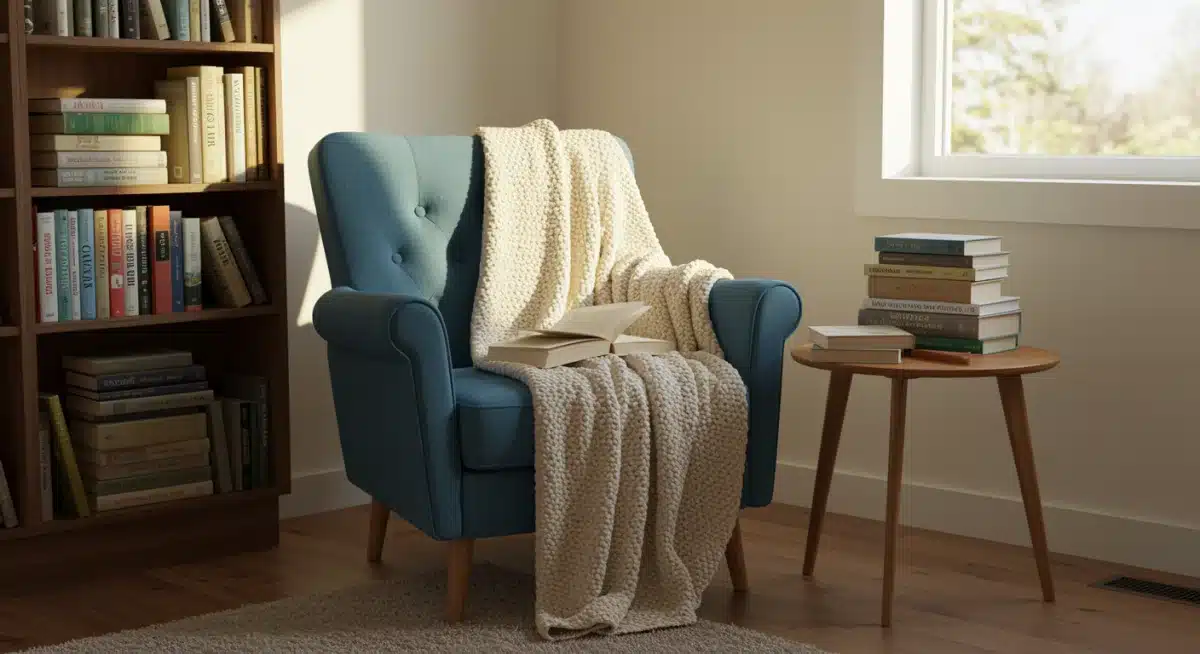
By clearly defining the purpose of each area in your home, you train your mind to associate specific spaces with specific activities. This reduces mental fatigue, improves focus, and enhances your ability to transition between tasks and states of mind, making it a powerful strategy for Home Wellness Optimization.
Beyond the Five: Holistic Approaches to Home Wellness
While the five core changes discussed above provide a robust framework for Home Wellness Optimization, there are several other complementary practices that can further enhance your living environment and overall well-being. Integrating these into your routine can solidify the positive impacts of the primary changes and create a truly holistic home sanctuary.
Embracing Sensory Harmony:
- Sound Management: Minimize unwanted noise through insulation, heavy curtains, or even white noise machines if you live in a noisy area. Conversely, incorporate soothing sounds like soft music, nature sounds, or the gentle hum of a fan to create a calming auditory environment.
- Aromatherapy: As touched upon earlier, essential oil diffusers can introduce therapeutic scents into your home. Lavender promotes relaxation, citrus oils can uplift mood, and peppermint can aid focus. Choose scents that resonate with your desired atmosphere for each zone.
- Tactile Comfort: Pay attention to the textures in your home. Soft blankets, plush pillows, smooth wooden surfaces, and comfortable rugs all contribute to a sense of physical comfort and coziness, which is vital for relaxation and Home Wellness Optimization.
Mindful Consumption and Sustainability:
- Non-Toxic Materials: When furnishing or renovating, opt for materials that are low in VOCs and free from harmful chemicals. Look for certifications like GREENGUARD or OEKO-TEX. This extends to paints, flooring, and furniture.
- Water Quality: Consider investing in a water filter for your drinking water. Access to clean, pure water is fundamental to health and can be easily overlooked in the broader context of home wellness.
- Energy Efficiency: Beyond saving money, energy-efficient appliances and practices reduce your home’s environmental footprint, contributing to a sense of responsible living and a healthier planet. This often involves better insulation, LED lighting, and smart thermostats.
The Power of Personalization:
- Reflect Your Personality: Your home should feel like *your* sanctuary. Surround yourself with items that bring you joy, represent your values, and tell your story. Personal photos, meaningful art, and cherished heirlooms contribute to a sense of belonging and emotional well-being.
- Flexibility and Adaptability: Life changes, and so should your home. Be open to re-evaluating your spaces periodically and making adjustments. What works today might need tweaking tomorrow. This ongoing process is an integral part of sustainable Home Wellness Optimization.
By considering these additional layers, you move beyond mere functionality and create a home that actively nurtures your physical, mental, and emotional health. This holistic approach ensures that every aspect of your environment is working in harmony to support your best self.
Measuring Your 20% Improvement: A Subjective, Yet Real, Transformation
You might be wondering, how do you quantify a ‘20% improvement’ in your home environment? While it’s not a scientific measurement with exact figures, the 20% benchmark serves as a powerful motivator and a tangible goal for Home Wellness Optimization. This improvement is primarily experienced through subjective feelings of well-being, but there are indicators you can observe.
Indicators of Enhanced Home Wellness:
- Increased Energy Levels: Do you wake up feeling more refreshed? Do you have more sustained energy throughout the day when at home?
- Reduced Stress and Anxiety: Does your home feel like a refuge from the outside world? Do you find it easier to relax and unwind?
- Better Sleep Quality: Are you falling asleep faster and experiencing more restorative sleep?
- Improved Focus and Productivity: Do you find it easier to concentrate on tasks, whether work or hobbies, within your home?
- Fewer Allergy or Respiratory Symptoms: Are you experiencing fewer sneezes, coughs, or general discomfort related to indoor air?
- A Greater Sense of Joy and Comfort: Do you genuinely enjoy being in your home more? Does it feel more inviting and comfortable?
- Enhanced Social Connection: Do you feel more inclined to host friends and family in your improved space?
The 20% improvement is a cumulative effect of these small, deliberate changes. It’s the feeling of walking into a space that supports your health, calms your mind, and uplifts your spirit. It’s the tangible difference between a house that simply exists and a home that actively contributes to your flourishing. Track your feelings, perhaps keep a simple journal, and reflect on how these changes are impacting your daily life. You’ll likely find the improvements are even greater than anticipated.
Conclusion: Your Home, Your Wellness Sanctuary
Home Wellness Optimization is not a luxury; it’s a necessity in today’s fast-paced world. By focusing on these five simple yet profound changes – prioritizing indoor air quality, optimizing lighting, cultivating a clutter-free environment, integrating nature, and creating dedicated zones for relaxation and activity – you can transform your American home into a powerful sanctuary that actively supports your physical, mental, and emotional health. These adjustments are accessible, affordable, and, most importantly, incredibly effective.
Remember, your home is an extension of yourself. Just as you nurture your body and mind, so too should you nurture your living space. The journey to a healthier home is an ongoing one, but with these foundational steps, you’re well on your way to experiencing a remarkable 20% (or more!) improvement in your overall well-being. Start today, make one change, and observe the positive ripple effect it has on your life. Embrace the power of Home Wellness Optimization and unlock a more vibrant, balanced, and joyful existence within the comfort of your own healthy home.