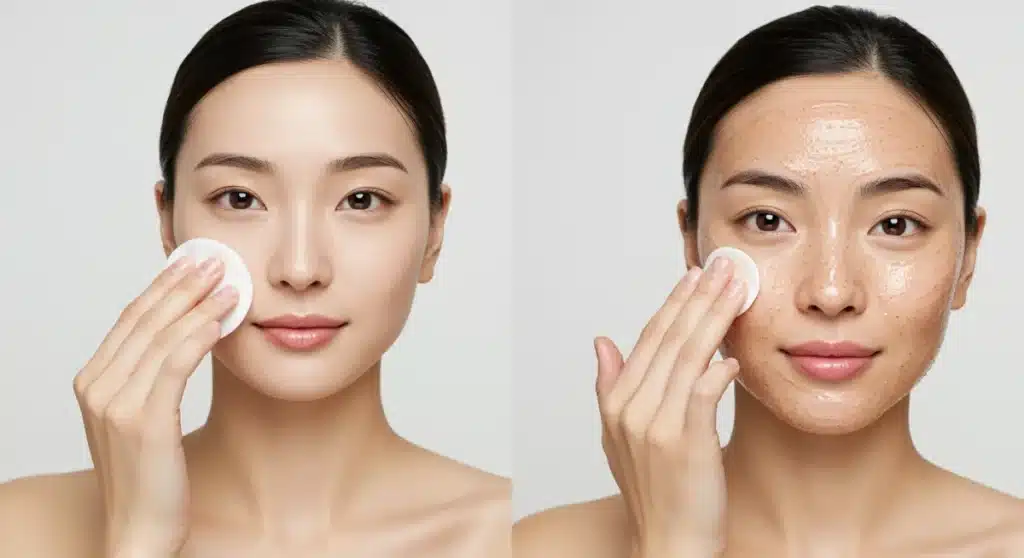
Chemical Exfoliants vs. Physical Scrubs: Which Fits Your 2026 Weekly Skincare Routine Best?
In the ever-evolving world of skincare, exfoliation remains a cornerstone for achieving a radiant, healthy complexion. As we navigate towards 2026, the debate between chemical exfoliants and physical scrubs continues to be a hot topic. Both methods aim to remove dead skin cells, unclog pores, and reveal fresher skin, but they do so through fundamentally different mechanisms. Understanding these differences is crucial for selecting the right approach for your unique skin type and concerns. This comprehensive guide will delve deep into the nuances of chemical vs physical exfoliation, helping you make an informed decision for your optimal 2026 skincare routine.
The quest for glowing skin often leads us down many paths, and exfoliation is undoubtedly one of the most effective. However, misusing or misunderstanding exfoliation can lead to irritation, sensitivity, and even damage to your skin barrier. Therefore, embarking on your exfoliation journey with knowledge and precision is paramount. We’ll explore the science behind each method, discuss their respective benefits and drawbacks, and provide practical advice on how to integrate them safely and effectively into your weekly regimen. Whether you’re a skincare novice or a seasoned enthusiast, this article aims to clarify the complexities of chemical vs physical exfoliation and empower you to make the best choices for your skin’s future.
Understanding Exfoliation: Why It Matters for Your Skin
Before we dive into the specifics of chemical vs physical exfoliation, let’s establish why exfoliation is such a vital step in any skincare routine. Our skin naturally sheds dead skin cells every 28 days or so, a process known as desquamation. However, as we age, or due to environmental factors, this process can slow down, leading to a buildup of dead cells on the skin’s surface. This buildup can result in dullness, rough texture, clogged pores, acne breakouts, and can even hinder the absorption of other skincare products.
Exfoliation essentially helps to accelerate this natural shedding process, revealing the fresh, new skin cells underneath. The benefits of regular, appropriate exfoliation are numerous:
- Improved Skin Texture: By removing dead cells, exfoliation smooths the skin’s surface, making it feel softer and more refined.
- Enhanced Radiance: A buildup of dead cells can make skin look dull. Exfoliation uncovers brighter, more luminous skin.
- Reduced Breakouts: Unclogging pores helps prevent the formation of blackheads, whiteheads, and acne.
- Better Product Absorption: With fewer dead cells creating a barrier, serums and moisturizers can penetrate more effectively.
- Stimulated Cell Turnover: Regular exfoliation encourages the skin to produce new, healthy cells, contributing to a more youthful appearance.
- Even Skin Tone: Exfoliation can help to fade hyperpigmentation and dark spots over time.
However, it’s a delicate balance. Over-exfoliation can strip the skin of its natural oils, compromise the skin barrier, and lead to redness, irritation, and increased sensitivity. This is why understanding the different types of exfoliants and how to use them correctly is paramount, especially when considering chemical vs physical exfoliation for your 2026 routine.
Chemical Exfoliants: The Science of Gentle Renewal
Chemical exfoliants, despite their name, are often a gentler alternative to their physical counterparts, especially when formulated correctly. Instead of relying on abrasive particles, they use acids or enzymes to dissolve the ‘glue’ that holds dead skin cells together, allowing them to slough off naturally. This method of chemical vs physical exfoliation works on a molecular level, offering a more even and controlled exfoliation process.
Types of Chemical Exfoliants:
The most common types of chemical exfoliants fall into three main categories:
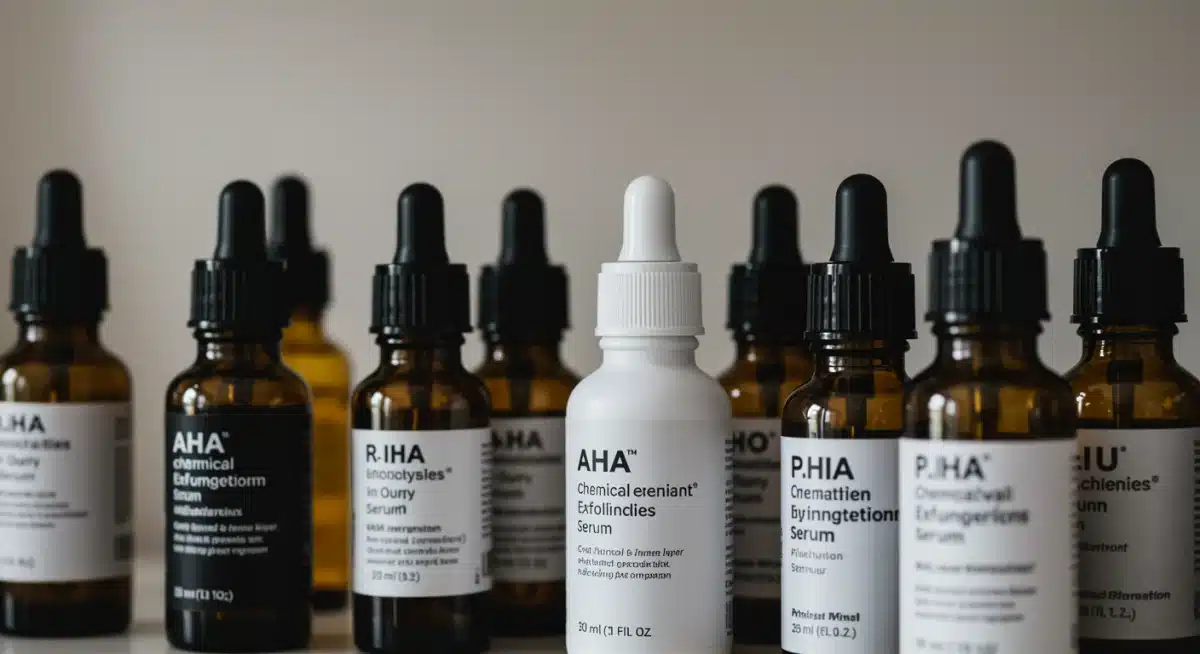
- Alpha Hydroxy Acids (AHAs): These are water-soluble acids derived from sugary fruits. They work primarily on the skin’s surface, making them excellent for addressing superficial concerns like dullness, uneven texture, and mild hyperpigmentation. AHAs also have humectant properties, meaning they can attract and retain moisture, making them suitable for dry and sun-damaged skin. Common AHAs include:
- Glycolic Acid: The smallest AHA molecule, allowing for deeper penetration and more potent exfoliation. Best for normal to oily and mature skin.
- Lactic Acid: A larger molecule than glycolic acid, making it milder and less irritating. It also has hydrating properties, making it ideal for dry and sensitive skin.
- Mandelic Acid: The largest AHA molecule, derived from bitter almonds. Its larger size means it penetrates the skin more slowly, making it very gentle and suitable for sensitive skin and those prone to post-inflammatory hyperpigmentation.
- Beta Hydroxy Acids (BHAs): Unlike AHAs, BHAs are oil-soluble. This unique property allows them to penetrate deeper into the pores, dissolving sebum and dead skin cells from within. This makes BHAs exceptionally effective for oily, acne-prone skin, and for treating blackheads and whiteheads. The most common BHA is:
- Salicylic Acid: Known for its anti-inflammatory and antibacterial properties, salicylic acid is a powerhouse ingredient for acne treatment and prevention. It’s excellent for addressing clogged pores and reducing redness associated with breakouts.
- Poly Hydroxy Acids (PHAs): Considered the ‘next generation’ of AHAs, PHAs have larger molecular structures than AHAs, meaning they penetrate the skin more slowly and are even gentler. They are ideal for very sensitive skin, including those with rosacea or eczema, and offer antioxidant benefits in addition to exfoliation. Common PHAs include:
- Gluconolactone: A potent antioxidant and humectant, offering gentle exfoliation and hydration.
- Lactobionic Acid: Another excellent humectant and antioxidant, providing mild exfoliation without irritation.
Benefits of Chemical Exfoliants:
- Even Exfoliation: They work uniformly across the skin’s surface.
- Targeted Treatment: Different acids target specific concerns (e.g., AHAs for texture, BHAs for acne).
- Gentler on Skin Barrier: When used correctly, they are less likely to cause micro-tears or irritation compared to harsh physical scrubs.
- Improved Hydration: Some acids, like lactic acid and PHAs, offer hydrating benefits.
- Anti-Aging Properties: AHAs can stimulate collagen production over time.
Drawbacks of Chemical Exfoliants:
- Sun Sensitivity: Many chemical exfoliants, especially AHAs, can increase sun sensitivity, making daily sunscreen application crucial.
- Initial Purging: Some users might experience an initial breakout as the skin adjusts and impurities are brought to the surface.
- Potential for Over-Exfoliation: Using too high a concentration or too frequently can lead to redness, irritation, and a compromised skin barrier.
- Learning Curve: Requires understanding different acid types and concentrations.
Choosing the right chemical exfoliant in the chemical vs physical exfoliation debate depends heavily on your skin type and concerns. Always start with lower concentrations and gradually increase frequency as your skin tolerates it. Patch testing new products is also highly recommended.
Physical Scrubs: The Tangible Approach to Smooth Skin
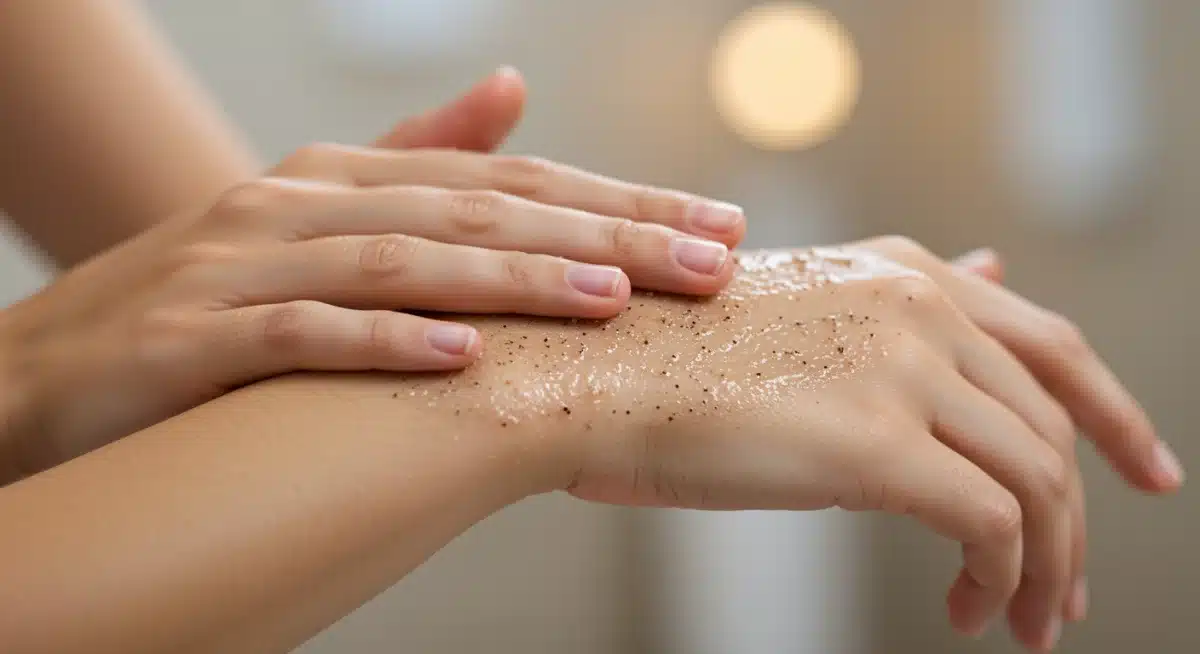
Physical scrubs, also known as mechanical exfoliants, involve using abrasive particles to manually buff away dead skin cells from the skin’s surface. This method of chemical vs physical exfoliation provides immediate tactile results, leaving the skin feeling instantly smoother. Historically, physical scrubs were the go-to exfoliation method, but their reputation has become somewhat controversial due to the potential for damage if not used correctly.
Types of Physical Scrubs:
Physical scrubs vary widely in the type and size of their abrasive particles:
- Natural Abrasives:
- Sugar Scrubs: Sugar granules dissolve in water, making them generally gentler than salt. Suitable for body and sometimes face, depending on granule size.
- Salt Scrubs: More abrasive than sugar, often used for body exfoliation, as they can be too harsh for the delicate facial skin.
- Oatmeal and Ground Nuts/Seeds: (e.g., almond meal, apricot kernel powder). While natural, these can have irregularly shaped, sharp edges that cause micro-tears in the skin, especially apricot scrubs.
- Jojoba Beads/Cellulose Beads: These are spherical, biodegradable beads that are much gentler and less likely to cause irritation or micro-tears. They are considered a safe and effective option for physical exfoliation.
- Synthetic Abrasives (Microbeads):
- Plastic microbeads were once common but are now largely banned in many countries due to environmental concerns. They were often spherical and less harsh than some natural abrasives, but their environmental impact outweighed their benefits.
- Tools:
- Cleansing Brushes: (e.g., sonic brushes) use bristles to physically exfoliate.
- Konjac Sponges: Natural, soft sponges that provide very gentle physical exfoliation.
- Washcloths: Can offer mild physical exfoliation when used with a cleanser.
Benefits of Physical Scrubs:
- Instant Gratification: Skin feels smoother immediately after use.
- Accessible: Often more affordable and widely available than specialized chemical exfoliants.
- Deep Cleansing Sensation: Many people enjoy the feeling of physically scrubbing away impurities.
- No Sun Sensitivity: Generally do not increase sun sensitivity in the way some chemical exfoliants do.
Drawbacks of Physical Scrubs:
- Risk of Micro-Tears: Harsh or irregularly shaped particles can create tiny tears in the skin, compromising the skin barrier and leading to irritation, redness, and even infection. This is a significant concern in the chemical vs physical exfoliation discussion.
- Uneven Exfoliation: It’s difficult to apply even pressure, leading to some areas being over-exfoliated and others under-exfoliated.
- Aggravation of Skin Conditions: Can worsen acne, rosacea, and sensitive skin conditions by spreading bacteria or causing further inflammation.
- Not Suitable for All Skin Types: Generally not recommended for highly sensitive, acne-inflamed, or compromised skin.
When opting for physical scrubs, the key is to choose products with fine, spherical particles (like jojoba beads) and to use a very gentle touch. Avoid products with large, jagged particles, like crushed nut shells, especially on the face. Always be mindful of the pressure you apply, treating your skin with the utmost care.
Chemical vs Physical Exfoliation: Making the Right Choice for Your Skin in 2026
The decision between chemical vs physical exfoliation isn’t about one being inherently superior to the other; it’s about finding what works best for your individual skin needs and concerns. Here’s a breakdown to help you navigate this choice for your 2026 routine:
Who Should Choose Chemical Exfoliants?
- Sensitive Skin: PHAs and gentler AHAs (like lactic or mandelic acid) can provide effective exfoliation without the harshness of physical scrubbing.
- Acne-Prone/Oily Skin: BHAs (salicylic acid) are unparalleled in their ability to penetrate oil and clear clogged pores, reducing breakouts and blackheads.
- Aging Skin: AHAs (glycolic acid) can help stimulate collagen production over time.
- Uneven Skin Tone/Texture: AHAs effectively brighten and smooth the skin’s surface.
- Rosacea/Compromised Skin Barrier: PHAs are particularly well-suited due to their large molecular size and hydrating properties, offering exfoliation with minimal irritation.
Who Should Choose Physical Scrubs (with caution)?
- Resilient, Non-Sensitive Skin: If your skin tolerates a bit more friction and isn’t prone to redness or irritation.
- Dull, Dry Skin (without active breakouts): A very gentle scrub can help remove surface flakes and improve product absorption.
- Body Exfoliation: Physical scrubs are often excellent for areas like elbows, knees, and feet, where skin is thicker and can handle more vigorous exfoliation.
- Those who prefer immediate tactile results.
Important Note: If you have active acne, open wounds, sunburn, or a compromised skin barrier, avoid all forms of exfoliation until your skin has healed. Always consult with a dermatologist if you have severe skin conditions or are unsure about which method is best for you.
Integrating Exfoliation into Your 2026 Skincare Routine
Once you’ve decided on your preferred method of chemical vs physical exfoliation, the next step is to integrate it effectively into your routine. Consistency is key, but so is moderation. Over-exfoliation is a common pitfall that can do more harm than good.
Frequency:
- Beginners: Start with exfoliation 1-2 times a week.
- Experienced Users: Depending on your skin’s tolerance and the product’s strength, you might be able to exfoliate 2-3 times a week. Some very mild chemical exfoliants (like low-concentration PHAs) can even be used daily, but this is rare and should only be done if your skin tolerates it exceptionally well.
- Listen to Your Skin: If you notice redness, stinging, excessive dryness, or increased sensitivity, reduce the frequency or switch to a milder product.
Application Tips:
For Chemical Exfoliants:
- Cleanse First: Apply to clean, dry skin after cleansing.
- Application Method: Use a cotton pad for liquid exfoliants or apply serums directly with clean hands.
- Wait Time: Allow the product to fully absorb for a few minutes before applying subsequent serums or moisturizers.
- Nighttime Use: Many chemical exfoliants are best used at night to avoid increased sun sensitivity during the day.
- ALWAYS Use SPF: This cannot be stressed enough. Chemical exfoliants make your skin more vulnerable to sun damage. Apply a broad-spectrum sunscreen with at least SPF 30 every morning, regardless of the weather.
- Do Not Mix Actives Recklessly: Avoid using multiple strong active ingredients (e.g., high-concentration Vitamin C, Retinoids, and multiple types of exfoliating acids) in the same routine without expert guidance, as this can lead to over-exfoliation and irritation.
For Physical Scrubs:
- Cleanse First: Apply to damp, cleansed skin.
- Gentle Application: Use light, circular motions with your fingertips. Avoid harsh scrubbing, especially around delicate areas like the eyes.
- Rinse Thoroughly: Ensure all scrub particles are completely rinsed off your face.
- Follow with Hydration: Immediately apply a hydrating serum and moisturizer to replenish moisture and support the skin barrier.
- Avoid if Sensitive/Acne-Prone: If your skin is easily irritated or you have active breakouts, it’s generally safer to opt for chemical exfoliation.
Combination Approach (Use with Extreme Caution):
While some people might consider combining chemical vs physical exfoliation, it is generally advised against, especially for beginners or those with sensitive skin. Using both methods simultaneously can easily lead to over-exfoliation, damaging your skin barrier. If you absolutely wish to use both, ensure they are used on separate days, with several days in between, and always choose very gentle formulations for both. For instance, you might use a mild BHA toner a few nights a week and a very gentle konjac sponge on another morning. However, for most individuals, sticking to one primary method of exfoliation is safer and more effective.
Common Exfoliation Mistakes to Avoid in 2026
Even with the best intentions, it’s easy to fall into common exfoliation traps. Being aware of these can help you maintain healthy, balanced skin:
- Over-Exfoliation: The most common mistake. Symptoms include redness, peeling, stinging, tightness, increased sensitivity, and even breakouts. If you experience these, stop exfoliating immediately and focus on barrier repair (gentle cleanser, hydrating serum, rich moisturizer).
- Using Harsh Physical Scrubs: Products with large, jagged particles (like crushed nut shells) can create micro-tears, leading to inflammation and infection. Opt for fine, spherical particles or chemical exfoliants instead.
- Not Using Sunscreen: Exfoliation exposes new skin cells that are more vulnerable to UV damage. Daily, consistent sunscreen use is non-negotiable.
- Exfoliating Irritated or Broken Skin: Never exfoliate skin that is sunburned, irritated, has open wounds, or active, inflamed acne. This will only exacerbate the problem.
- Mixing Too Many Actives: Combining multiple strong acids, retinoids, or high-concentration Vitamin C with exfoliants can overwhelm the skin. Introduce new products slowly and pay attention to how your skin reacts.
- Ignoring Your Skin Type: What works for oily skin might be too harsh for dry skin. Always choose products formulated for your specific skin type and concerns. This is fundamental in the chemical vs physical exfoliation decision.
- Not Patch Testing: Always test a new product on a small, inconspicuous area of skin (e.g., behind the ear or on the jawline) for a few days before applying it to your entire face.
The Future of Exfoliation: Trends for 2026 and Beyond
As we look towards 2026, the trend in exfoliation continues to lean towards gentler, more sophisticated approaches. The emphasis is on promoting skin health and barrier integrity, rather than aggressive stripping. Here are some anticipated trends:
- Increased Adoption of PHAs: Due to their gentle nature and hydrating benefits, PHAs are expected to become even more mainstream, catering to the growing demand for sensitive skin-friendly options.
- Enzyme Exfoliants: Often derived from fruits like papaya and pineapple, enzyme exfoliants offer a very mild form of chemical exfoliation, dissolving dead skin cells without altering the skin’s pH. They are ideal for highly sensitive skin and will likely see a surge in popularity.
- Personalized Skincare: AI-driven skincare apps and personalized consultations will help individuals identify the exact type and frequency of exfoliation best suited for their unique skin profile, eliminating guesswork in the chemical vs physical exfoliation debate.
- Sustainable and Eco-Friendly Options: The demand for biodegradable and ethically sourced exfoliant ingredients will continue to grow, pushing brands to innovate beyond traditional microbeads and harsh natural particles.
- Focus on Barrier Support: Exfoliants will increasingly be formulated with ingredients that simultaneously support and strengthen the skin barrier, such as ceramides, hyaluronic acid, and probiotics, to mitigate potential irritation.
Conclusion: Your Personalized Exfoliation Journey in 2026
Navigating the world of exfoliation, particularly the choice between chemical vs physical exfoliation, can seem daunting. However, armed with the right knowledge, you can confidently select the best method to achieve your skin goals in 2026 and beyond. Chemical exfoliants, with their targeted action and generally gentler approach, often emerge as the preferred choice for most skin types, offering effective solutions for a wide range of concerns from acne to anti-aging.
Physical scrubs, when chosen carefully and used with a very light hand, can still have a place in some routines, particularly for body exfoliation or for those with resilient skin who prefer the tactile sensation. The most crucial takeaway is to listen to your skin, start slowly, and prioritize protection (especially sunscreen).
Ultimately, a successful exfoliation strategy is one that leaves your skin looking and feeling its best – radiant, smooth, and healthy, without irritation. By carefully considering your skin type, concerns, and the information presented here, you are well-equipped to make intelligent choices about chemical vs physical exfoliation and build a weekly skincare routine that truly works for you in 2026.