Seasonal Affective Disorder in 2026: 3 Time-Sensitive Strategies for Battling Winter Blues
As the days grow shorter and the air turns crisp, many of us anticipate the cozy comforts of winter. However, for millions worldwide, the arrival of colder, darker months ushers in a period of profound emotional struggle known as Seasonal Affective Disorder (SAD). Often colloquially referred to as the "winter blues," SAD is a real and impactful form of depression. In 2026, with our ever-evolving understanding of mental health and advanced wellness technologies, proactive and time-sensitive strategies are more crucial than ever to effectively combat these challenging symptoms. Understanding and implementing these winter blues strategies can make a significant difference in your overall well-being.
Seasonal Affective Disorder is more than just feeling a bit down during winter. It’s a recurrent depressive disorder characterized by symptoms such as persistent low mood, loss of interest in activities, fatigue, increased appetite (especially for carbohydrates), weight gain, and excessive sleepiness. These symptoms typically begin in the fall, intensify through winter, and remit in the spring. While the exact cause isn’t fully understood, it’s largely believed to be linked to the reduction in natural light, which can disrupt our circadian rhythm, leading to imbalances in neurotransmitters like serotonin and melatonin.
The year 2026 brings with it not only a deeper societal awareness of mental health but also refined therapeutic approaches and accessible resources. This article will delve into three pivotal, time-sensitive strategies that you can incorporate into your routine to not only manage but actively prevent the onset and severity of SAD. These winter blues strategies are designed to be implemented proactively, ideally before the full force of winter sets in, maximizing their effectiveness.
Strategy 1: Optimize Light Exposure with Advanced Light Therapy (Starting Early Fall 2026)
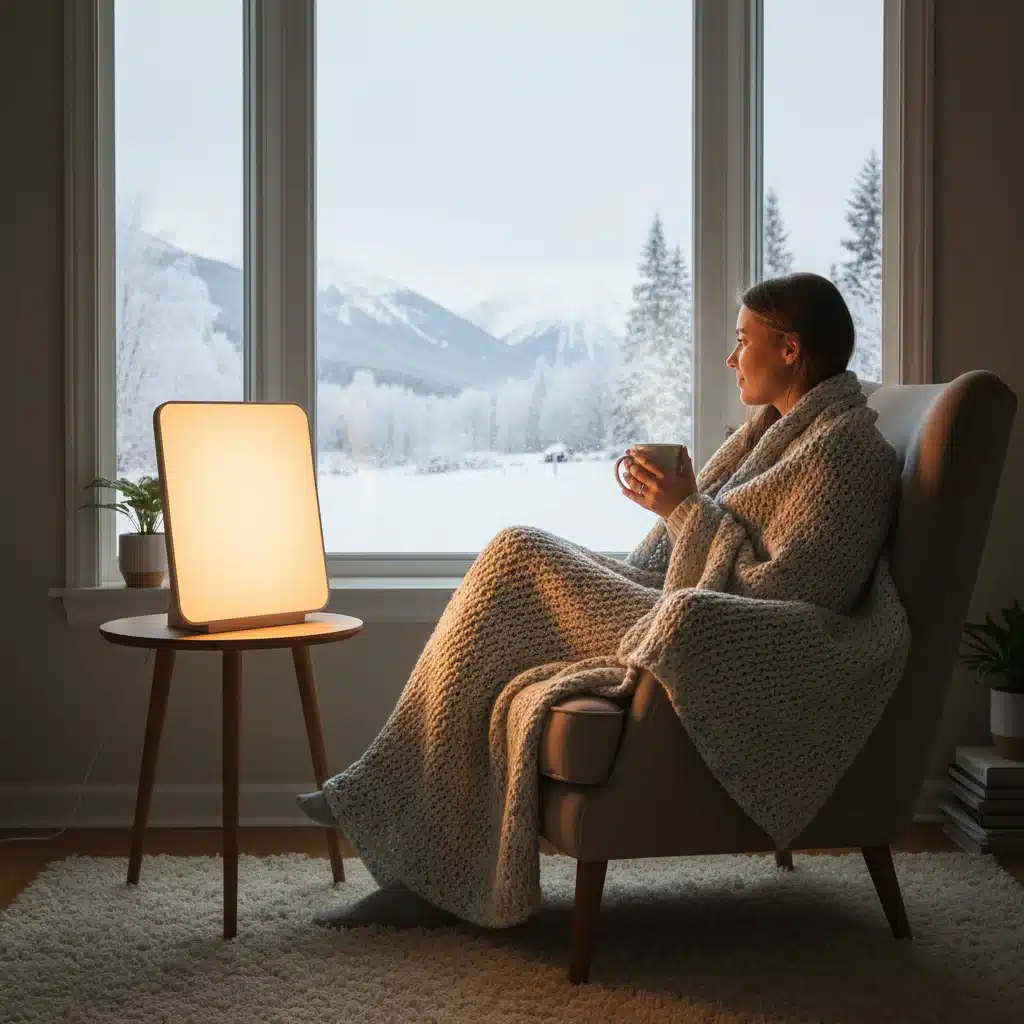
One of the most foundational and scientifically supported treatments for SAD is light therapy, also known as phototherapy. This strategy involves daily exposure to a special light box that mimics natural outdoor light. The goal is to compensate for the lack of natural sunlight during the darker months, helping to regulate your body’s circadian rhythm and boost serotonin levels. In 2026, light therapy devices have become more sophisticated, compact, and user-friendly, making them an indispensable tool in your arsenal against the winter blues.
The Science Behind Light Therapy
Our bodies rely on light cues to regulate various biological processes, including sleep-wake cycles and mood. Reduced exposure to sunlight during winter can disrupt these processes. Specifically, it can lead to:
- Disrupted Circadian Rhythm: The body’s internal clock, which governs sleep and wakefulness, can become desynchronized, leading to fatigue and difficulty sleeping.
- Serotonin Imbalance: Serotonin, a neurotransmitter that affects mood, is often lower in individuals with SAD. Bright light therapy can help increase serotonin activity.
- Melatonin Overproduction: Melatonin, a hormone that promotes sleep, can be overproduced in the absence of sufficient light, leading to increased drowsiness and lethargy during the day.
Time-Sensitive Implementation for 2026:
The key to effective light therapy is not just what you do, but when you do it. Begin light therapy in early fall, even before symptoms fully manifest. This proactive approach can significantly reduce the severity of symptoms or even prevent their onset.
- Early Fall Integration (September-October 2026): As soon as the days noticeably shorten, typically around late September or early October, begin using your light therapy lamp. Don’t wait until you start feeling down.
- Consistent Daily Use: Use the light box for 20-30 minutes each morning, ideally within the first hour of waking. Consistency is paramount for regulating your circadian rhythm.
- Proper Device Selection: Ensure your light box emits 10,000 lux of light and filters out harmful UV rays. Many modern devices in 2026 offer customizable settings, including color temperature and intensity, to better suit individual needs. Look for devices with a "full spectrum" claim.
- Optimal Positioning: Place the light box at an angle to your side, not directly in front of you, to avoid eye strain. You should be able to do other activities, like eating breakfast or working on your computer, while receiving the light.
- Consult a Professional: While light therapy is generally safe, it’s always best to consult with a healthcare provider, especially if you have eye conditions or are taking medications that increase light sensitivity. They can help you determine the optimal duration and intensity for your specific needs.
By making light therapy a non-negotiable part of your morning routine as autumn transitions to winter, you are actively re-calibrating your body’s internal clock, providing essential light cues that are otherwise missing. This is a powerful, science-backed approach to managing winter blues strategies effectively.
Strategy 2: Embrace Proactive Social Connection and Community Engagement (Throughout Winter 2026)
Isolation is a common symptom and exacerbating factor for SAD. When motivation dips, the natural inclination can be to withdraw from social activities. However, maintaining and even increasing social interaction is a crucial countermeasure. Human connection provides emotional support, a sense of belonging, and can distract from negative thought patterns. In 2026, with hybrid work environments and digital connectivity, there are more avenues than ever to foster meaningful relationships, even when it’s cold outside.
The Impact of Social Connection on Mental Health
Research consistently shows a strong link between social support and mental health. Social interaction helps to:
- Reduce Feelings of Isolation: Knowing you are part of a community combats feelings of loneliness, which can worsen depressive symptoms.
- Boost Mood: Engaging with others, especially in enjoyable activities, can release endorphins and other mood-boosting neurotransmitters.
- Provide Perspective: Talking to friends and family can help you gain new perspectives on your struggles and offer practical advice or emotional comfort.
- Increase Motivation: Having plans with others can provide the necessary motivation to get out of the house and engage in activities you might otherwise skip.

Time-Sensitive Implementation for 2026:
Don’t wait until you feel completely withdrawn to seek connection. Proactive scheduling and diverse forms of engagement are key to this winter blues strategy.
- Schedule Social Engagements in Advance (Early Winter 2026): As winter approaches, proactively schedule regular social outings or digital meet-ups. Commit to these appointments as you would any other important obligation. This could be a weekly coffee date, a monthly book club, or a regular video call with distant loved ones.
- Explore New Hobbies and Groups: Join a new club or group that aligns with your interests. This could be an indoor sports league, a crafting class, a volunteer organization, or even an online gaming community. New connections formed around shared interests are often robust and fulfilling. Many communities in 2026 offer diverse online and in-person options.
- Leverage Technology Thoughtfully: While in-person interactions are ideal, video calls, gaming, and social media can bridge gaps when physical proximity isn’t possible. Use these tools to maintain connections, but be mindful of their potential to replace genuine interaction. Focus on interactive experiences rather than passive consumption.
- Be a Connector: Reach out to friends and family who might also be struggling or feeling isolated. Organizing events or initiating conversations can be beneficial for everyone involved, creating a positive feedback loop of connection.
- Prioritize Quality over Quantity: It’s not about having a huge social circle, but about nurturing a few meaningful relationships. Focus on individuals who uplift you and provide genuine support.
By consciously integrating social interaction into your routine, especially during times when you might naturally retreat, you build a resilient support network. This strategy is vital for mitigating the isolating effects of SAD and fostering a sense of belonging, making it an indispensable part of your winter blues strategies.
Strategy 3: Integrate Mind-Body Practices and Nature Connection (Daily and Weekly Throughout Winter 2026)
The mind and body are intricately linked, and addressing SAD requires a holistic approach. Mind-body practices, such as mindfulness, meditation, and yoga, can significantly improve mood regulation, reduce stress, and enhance overall well-being. Coupled with intentional efforts to connect with nature, even in its winter guise, these practices form a powerful defense against the grip of the winter blues. In 2026, the accessibility of guided practices through apps and online platforms makes these strategies easier to adopt than ever before.
The Benefits of Mind-Body Practices and Nature
These practices work by promoting relaxation, reducing cortisol (the stress hormone), and increasing resilience:
- Mindfulness and Meditation: These practices train you to be present, observe thoughts without judgment, and reduce rumination – a common symptom of depression. They can improve emotional regulation and reduce anxiety.
- Yoga and Tai Chi: These low-impact exercises combine physical postures, breathing techniques, and meditation. They improve flexibility, strength, and balance, while also calming the nervous system.
- Nature Connection (Even in Winter): Exposure to natural environments, even for short periods, has been shown to reduce stress, improve mood, and boost cognitive function. The fresh air and subtle light can still be beneficial.

Time-Sensitive Implementation for 2026:
Consistency and adaptation to winter conditions are key for this strategy. Make these practices a daily or weekly ritual.
- Daily Mindfulness or Meditation (Every Morning 2026): Start your day with 10-15 minutes of guided meditation or mindfulness practice. Many apps (e.g., Calm, Headspace) offer specific programs for mood enhancement and stress reduction. This sets a positive tone for the day and helps manage emotional reactivity.
- Regular Movement Practice (Several Times a Week 2026): Engage in yoga, Tai Chi, or gentle stretching several times a week. If outdoor exercise isn’t feasible due to weather, utilize indoor options. Online classes and fitness apps provide a wealth of resources for all levels. The physical activity itself is a known mood booster.
- Embrace Winter Nature (Weekly 2026): Don’t let the cold deter you from connecting with nature. Bundle up and take short walks in a park, forest, or even your backyard. Notice the subtle beauty of winter – the bare branches, the crisp air, the quiet. Even 15-20 minutes can be revitalizing. If going outside isn’t possible, bring nature indoors with plants, natural light, and nature sounds.
- Journaling for Reflection: Dedicate time each week to journal your thoughts and feelings. This can be a powerful tool for self-awareness and processing emotions, especially during periods of low mood. Reflect on positive experiences, even small ones, to cultivate gratitude.
- Mindful Eating: Pay attention to your diet. While carbohydrate cravings are common with SAD, aim for a balanced diet rich in whole foods, omega-3 fatty acids, and vitamin D (with doctor consultation). Mindful eating can also be a form of meditation.
By consciously integrating these mind-body practices and making an effort to connect with nature, you foster inner resilience and create a sense of calm amidst the external shifts of winter. These holistic winter blues strategies are essential for sustained well-being.
Beyond the Three Strategies: A Holistic Approach to Winter Wellness in 2026
While the three time-sensitive strategies outlined above form the core of combating SAD in 2026, a truly holistic approach integrates several other supportive elements. These complementary actions amplify the effectiveness of your primary strategies and ensure a comprehensive defense against the winter blues.
Prioritize Sleep Hygiene
Sleep is fundamental to mental health. During winter, disrupted circadian rhythms can lead to both excessive sleepiness and insomnia. Establishing a consistent sleep schedule, even on weekends, is crucial. Aim for 7-9 hours of quality sleep per night. Create a relaxing bedtime routine, ensure your bedroom is dark, quiet, and cool, and limit screen time before bed. Good sleep hygiene directly supports the benefits of light therapy by further regulating your internal clock.
Nutritional Support and Supplementation
Diet plays a significant role in mood. Focus on a balanced diet rich in fruits, vegetables, lean proteins, and whole grains. Pay particular attention to:
- Omega-3 Fatty Acids: Found in fatty fish (salmon, mackerel), flaxseeds, and walnuts, omega-3s are vital for brain health and have been linked to improved mood.
- Vitamin D: Often called the "sunshine vitamin," vitamin D levels tend to drop in winter due to reduced sun exposure. Supplementation (under medical guidance) can be highly beneficial for individuals with SAD, as low vitamin D is frequently associated with depression. In 2026, personalized nutritional assessments are more accessible, helping you tailor your intake.
- Complex Carbohydrates: While cravings for simple carbs are common, opt for complex carbohydrates (whole grains, legumes) which can help stabilize blood sugar and provide a steady release of serotonin precursors.
Always consult with a healthcare professional before starting any new supplements to ensure they are appropriate for your individual health needs.
Regular Physical Activity
Exercise is a powerful antidepressant. Even moderate physical activity, such as a brisk walk, can release endorphins, reduce stress, and improve mood. Aim for at least 30 minutes of moderate-intensity exercise most days of the week. If outdoor conditions are prohibitive, explore indoor options like gym workouts, home exercise videos, or dancing. Integrating physical activity complements the mind-body practices by directly influencing neurochemistry and energy levels.
Mindful Media Consumption
In 2026, we are constantly bombarded with information. Be mindful of the content you consume, especially during vulnerable periods. Limit exposure to negative news cycles and prioritize uplifting, informative, or entertaining content. Consider digital detox periods to reduce overwhelm and foster a sense of calm.
Professional Support When Needed
While these strategies are highly effective, they are not a substitute for professional help if symptoms are severe or persistent. If you suspect you have SAD, or if your symptoms significantly impair your daily life, reach out to a doctor or mental health professional. Therapy, particularly Cognitive Behavioral Therapy (CBT) adapted for SAD (CBT-SAD), can be incredibly effective. Medication might also be considered in some cases. Early intervention is always best.
Conclusion: Proactive Well-being Against the Winter Blues in 2026
Combating Seasonal Affective Disorder in 2026 is about more than just weathering the storm; it’s about proactively building resilience and fostering well-being. By embracing time-sensitive strategies like optimizing light exposure with advanced light therapy, nurturing proactive social connections, and integrating consistent mind-body practices alongside nature connection, you can significantly mitigate the impact of the winter blues. These winter blues strategies are not merely reactive measures but are powerful tools for empowerment, allowing you to reclaim your vitality and enjoy the unique beauty of the winter season.
Remember, consistency is key. Start implementing these strategies as early as possible in the fall, and maintain them throughout the winter months. Your mental health is a priority, and with the right approach, 2026 can be a year where you thrive, regardless of the season. Take charge of your well-being, seek support when needed, and embrace these proactive steps toward a brighter, more balanced winter.