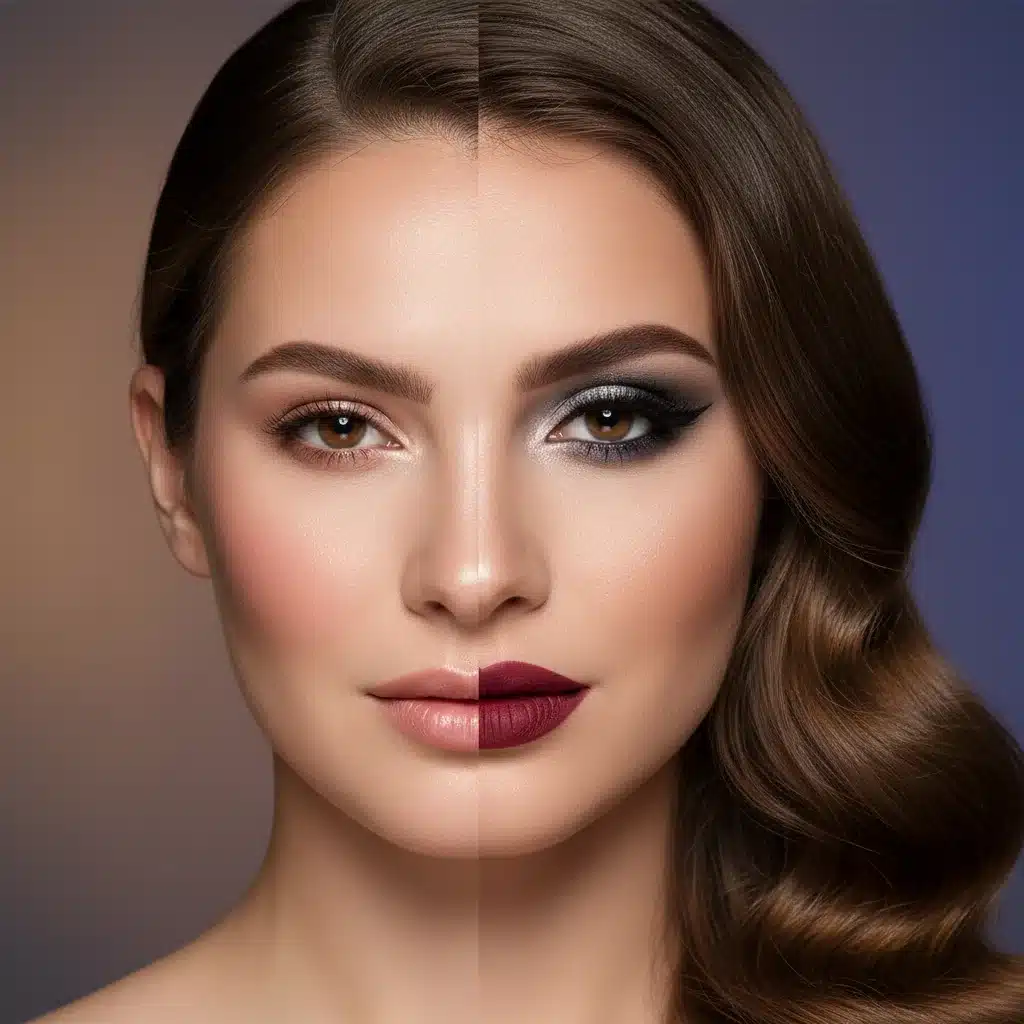
The suede eyes makeup tutorial with satin brown eyeshadow for winter 2026 introduces a sophisticated approach to soft smoky makeup, combining warm neutral shades, delicate satin finishes, and seamless blending techniques for an elegant seasonal look.
Winter makeup is embracing softer textures, rich neutral colors, and eye looks that enhance natural features without relying on dramatic contrasts. This suede eyes makeup tutorial with satin brown eyeshadow for winter 2026 explores a beauty technique that combines the blurred appearance of traditional suede-inspired makeup with the understated luminosity of satin eyeshadow.
Unlike heavily sculpted smoky eyes or glitter-focused evening looks, suede eye makeup emphasizes smooth transitions, diffused edges, and carefully balanced color. Brown eyeshadow becomes the foundation, while subtle satin reflections add dimension without creating an excessively shiny finish.
The technique is particularly appealing during colder months, when chocolate, caramel, taupe, and espresso shades complement seasonal clothing and sophisticated makeup palettes.
Whether preparing for a casual daytime outing, a professional event, or an evening celebration, this tutorial explains how to create suede-inspired eyes using accessible products and beginner-friendly application methods.
What is the suede eyes makeup trend?
Suede eyes are inspired by the soft appearance and muted texture of suede fabric. In makeup, the effect is created through carefully blended eyeshadow that produces gentle definition rather than sharp lines or dramatic color separation.
The style draws inspiration from minimalist beauty approaches associated with the 1990s, when neutral shadows and understated smoky eyes were widely used to create sophisticated everyday looks.
For fall and winter 2026, beauty publications have highlighted suede-inspired eyeshadow as a contemporary interpretation of this aesthetic. Shades such as chocolate brown, warm beige, taupe, and greige have become particularly relevant to the look.
The traditional technique emphasizes soft-matte finishes. However, a restrained satin eyeshadow can introduce a gentle sheen while preserving the characteristic blurred appearance.
Key characteristics of suede eye makeup
- Softly blended edges: Eyeshadow gradually fades into the surrounding skin without obvious boundaries.
- Neutral color combinations: Browns, taupes, caramel tones, and muted beige shades create natural depth.
- Subtle definition: The eyes are emphasized without heavy black eyeliner or exaggerated contouring.
- Controlled luminosity: Satin finishes provide delicate light reflection instead of noticeable glitter.
- Versatile intensity: The technique can be adapted for daytime makeup or more defined evening looks.
The goal is to create eyes that appear softly sculpted, polished, and naturally expressive.
Why satin brown eyeshadow works for winter 2026
Brown eyeshadow has remained an essential element of makeup collections because it coordinates with different skin tones, eye colors, and personal styles.
During winter, deeper neutral shades can add warmth to the face while complementing clothing colors commonly associated with the season.
Satin finishes offer another advantage. They sit between completely matte eyeshadow and high-shine shimmer, producing a delicate reflection that can help the eyelids appear dimensional.
The difference between matte, satin, and shimmer
- Matte eyeshadow: Provides color without visible shine and is useful for creating soft contours.
- Satin eyeshadow: Offers a smooth finish with restrained light reflection.
- Shimmer eyeshadow: Contains more noticeable reflective particles and creates a brighter appearance.
- Metallic eyeshadow: Produces stronger shine and a more dramatic visual effect.
For suede-inspired makeup, matte shades can establish the blurred shape, while a thin layer of satin brown adds gentle luminosity across the mobile eyelid.
This combination allows the finished result to remain soft without appearing completely flat.
Products and tools needed for suede eye makeup
Creating this winter makeup look does not require an extensive collection of expensive cosmetics.
A small selection of complementary shades and basic application tools is enough to reproduce the main effect.
Essential makeup products
- A lightweight eye primer suitable for the eyelids.
- A matte beige, tan, or taupe transition eyeshadow.
- A satin brown eyeshadow with a fine, smooth finish.
- A deeper matte brown shade for additional definition.
- A soft brown eyeliner pencil, if desired.
- Black or brown mascara.
- A gentle eye makeup remover.
Recommended application tools
- A medium-sized fluffy blending brush.
- A smaller blending brush for precise application.
- A flat eyeshadow brush for applying satin pigment.
- A clean brush for softening color transitions.
- A small mirror with adequate lighting.
- Clean cotton swabs for correcting minor mistakes.
Shoppers should select products specifically labeled for use around the eyes and follow the manufacturer’s application instructions.
How to choose the right brown eyeshadow
Not every shade of brown creates the same result. The undertone, depth, and finish influence how the makeup appears against the skin.
Choosing complementary colors can make blending easier and create a more cohesive appearance.
Warm brown eyeshadows
Warm browns contain undertones associated with caramel, cinnamon, copper, or reddish chocolate.
These shades can create a cozy appearance that pairs naturally with warm-toned blushes and neutral lip products.
For a subtle winter look, combine a matte caramel transition shade with a medium satin chocolate brown.
Cool brown and taupe eyeshadows
Cooler browns contain gray, muted mauve, or ash undertones.
They can create sophisticated definition when paired with charcoal clothing, cool-toned makeup, or minimalist winter outfits.
A satin mushroom-brown shade combined with matte taupe produces a restrained smoky effect.
Deep espresso and rich chocolate shades
Darker browns are useful when creating additional contrast, particularly on medium-deep and deep complexions.
Espresso can be applied close to the lash line or concentrated at the outer corner to provide definition without depending on black eyeshadow.
The most flattering choice is not determined by skin tone alone. Personal preference, desired contrast, and the surrounding makeup are equally important.
Step-by-step suede eyes makeup tutorial
The following technique focuses on building color gradually. Working with thin layers makes it easier to control intensity and maintain a seamless finish.
Step 1: Prepare the eyelids
Begin with clean, dry eyelids. Remove any remaining makeup or excess skincare product that could interfere with eyeshadow application.
Apply a small amount of eye primer and distribute it evenly across the mobile lid and crease area.
The primer can help create a consistent base and may improve the wear of certain eyeshadow formulas.
Allow the product to settle according to its instructions before applying powder eyeshadow.
If primer is unavailable, a compatible eye-safe base may work, although the finished result and wear time will depend on the specific formulation.
Step 2: Apply a soft transition shade
Choose a matte eyeshadow slightly deeper than the natural color of your eyelid.
Using a fluffy blending brush, apply the shade across the crease with light circular or back-and-forth movements.
Start with a small quantity of product and gradually increase the intensity.
The transition shade should establish a gentle shadow around the eye without creating an obvious line.
For hooded eyes, keep the eye open while checking the placement so the color remains visible above the natural fold.
Step 3: Build a muted brown base
Apply a medium brown eyeshadow across the mobile eyelid.
Concentrate the color near the lash line and gradually soften it toward the crease.
The result should resemble a delicate wash of pigment rather than a fully opaque block of color.
Use a clean blending brush to soften the upper edge and connect the shade with the transition color.
This step establishes the distinctive suede effect by creating a smooth, almost airbrushed appearance.
Step 4: Introduce the satin brown eyeshadow
Using a flat eyeshadow brush, collect a small amount of satin brown pigment.
Press it gently across the center of the eyelid, extending slightly toward the inner and outer sections.
A pressing motion can provide better placement control than sweeping the brush repeatedly across the entire lid.
The satin shade should create a soft reflection rather than a bright spotlight effect.
If the product looks too shiny, soften its appearance by blending a small amount of the original matte brown around the edges.
For the most natural effect, allow the outer crease and transition area to remain predominantly matte.
Step 5: Add subtle depth to the outer corner
Select a deeper brown eyeshadow and apply a small amount near the outer third of the upper lash line.
Blend the color gently upward and inward, keeping most of the definition close to the lashes.
This technique adds dimension while preserving the soft character of the overall look.
Avoid applying a large amount of dark pigment at once. Gradual layering provides greater control and makes corrections easier.
Step 6: Soften the lower lash line
For additional definition, use a small brush to apply a thin layer of medium brown eyeshadow immediately beneath the outer portion of the lower lashes.
Blend carefully so the color does not form a harsh stripe.
The lower lash line does not need to match the intensity of the upper eyelid.
A lighter application often creates a more balanced appearance, especially for daytime makeup.
Step 7: Add optional brown eyeliner
A soft brown eyeliner pencil can reinforce the shape of the eyes without overpowering the satin finish.
Apply a thin line along the upper lash line and gently soften it using an appropriate clean brush.
Rather than creating a dramatic wing, maintain a slightly diffused edge.
This approach complements the suede aesthetic and provides a natural transition between the eyeshadow and eyelashes.
Avoid applying products to the inner eyelid or waterline unless they are specifically intended for that use and appropriate for your eyes.
Step 8: Finish with mascara
Apply one or two light coats of mascara to the upper lashes.
Brown mascara can create a softer appearance, while black provides greater contrast.
Use the applicator carefully and avoid applying excessive product that could result in heavy clumping.
For a more understated look, leave the lower lashes without mascara or apply only a minimal amount.
Step 9: Check and refine the final blending
Examine the makeup under natural or evenly distributed lighting.
Look for areas where the transition between colors appears too obvious.
Use a clean blending brush to gently soften those sections without adding more pigment.
If necessary, correct minor fallout around the eyes with an appropriate makeup remover and a clean applicator.
The completed look should feature softly defined eyes, restrained satin luminosity, and neutral colors that transition smoothly into the surrounding skin.
How to adapt suede eyes for different eye shapes
One advantage of suede eye makeup is its flexibility. Because the technique emphasizes gentle blending rather than precise graphic lines, it can be adjusted to different eyelid shapes.
Hooded eyes
For hooded eyes, apply the transition shade while looking straight ahead.
Place the color slightly above the natural crease so the softly blended shape remains visible when the eyes are open.
Keep deeper shades near the outer lash line and avoid concentrating too much satin pigment within the fold.
Monolids
For monolids, a gradual color transition from the lash line toward the upper eyelid can create attractive definition.
Begin with the deepest shade closest to the lashes and blend lighter tones upward.
A subtle satin finish across the central portion can introduce dimension without requiring a traditional crease placement.
Deep-set eyes
Deep-set eyes may benefit from restrained use of darker crease shades.
Apply satin brown to the visible mobile eyelid and concentrate deeper pigment close to the lashes or outer corner.
Maintaining some luminosity in the center helps prevent the makeup from appearing excessively heavy.
Mature eyelids
For eyelids with visible texture or fine lines, use thin layers of finely milled eyeshadow.
A satin formula with subtle reflection may create a smoother-looking finish than products containing large glitter particles.
However, results vary by formula and individual skin texture. Test different finishes to determine which appearance feels most comfortable and flattering.
Creating suede eyes for different skin tones
Neutral makeup does not mean using the same beige or brown shade on everyone.
The ideal transition colors depend on the relationship between the eyeshadow and the natural depth of the complexion.
Fair and light complexions
Soft taupe, muted caramel, and light cocoa shades can provide gentle definition without creating excessive contrast.
A medium satin brown applied sparingly across the eyelid adds warmth while preserving the understated finish.
Medium and tan complexions
Caramel, cinnamon brown, walnut, and chocolate shades can create natural-looking depth.
Consider selecting a transition color that remains visible against the skin rather than choosing an overly pale beige.
Deep complexions
Rich mocha, espresso, warm chestnut, and deep chocolate shades can create beautiful dimension.
A satin brown with enough pigment to remain visible on deeper skin can enhance the look without requiring an intense metallic finish.
Using a lighter transition shade that complements the skin’s undertone may also help soften the edges.
How to transform suede eyes from daytime to evening
The suede technique can be adapted for different occasions without completely removing and reapplying the original makeup.
For daytime wear, the goal is to create gentle definition with minimal additional products.
For evening events, slightly deeper shades can enhance the same basic structure.
Daytime suede eye makeup
- Choose a medium brown satin shadow.
- Apply a thin layer across the eyelid.
- Keep the crease softly blended.
- Use minimal eyeliner or skip it entirely.
- Finish with a light coat of mascara.
This combination works well with casual clothing, office outfits, and daytime social activities.
Evening suede eye makeup
- Add deeper espresso eyeshadow near the outer lash line.
- Increase the intensity gradually rather than applying a large amount at once.
- Use a soft brown eyeliner for additional definition.
- Apply an extra light coat of mascara if appropriate.
- Preserve the diffused edges that define the suede aesthetic.
The resulting look can appear more dramatic while maintaining the softness associated with suede-inspired makeup.
How to coordinate suede eye makeup with the rest of the face
Eye makeup often appears more balanced when the surrounding complexion, blush, and lip colors follow a cohesive approach.
Because satin brown eyeshadow already provides dimension, heavy contouring and multiple reflective products are not necessary.
Complexion makeup
Choose a foundation or skin tint suited to your preferred coverage and skin type.
A natural or softly radiant finish complements the understated eye makeup particularly well.
During winter, skin may become drier because of colder outdoor conditions and indoor heating. Using a comfortable moisturizer before makeup can help support a smoother application.
Blush and bronzer
Muted peach, rose, terracotta, and soft berry blushes can complement different brown eyeshadow combinations.
For a cohesive appearance, choose a blush undertone that coordinates with the eyeshadow without matching it exactly.
Apply bronzer lightly if additional warmth is desired.
Lip colors
Neutral lip products are particularly versatile with suede eye makeup.
Consider shades such as:
- Rose beige.
- Soft caramel nude.
- Muted pink brown.
- Warm terracotta.
- Natural berry.
- Sheer chocolate brown.
A satin lipstick or moisturizing lip balm can complement the subtle luminosity of the eyelids.
Common mistakes when creating suede eye makeup
Although the technique is beginner-friendly, several application choices can change the final result.
The most common difficulties involve excess product, insufficient blending, or choosing finishes that compete with the desired softness.
Applying too much eyeshadow immediately
Highly pigmented formulas can produce strong color with a single application.
For a suede-inspired result, begin with a small quantity and increase the intensity gradually.
It is generally easier to add pigment than to remove an overly dark application.
Using strong glitter instead of satin
Large reflective particles can create a sparkling effect that differs from the restrained suede appearance.
Choose fine satin finishes when subtle luminosity is the goal.
Leaving noticeable color boundaries
Sharp lines between the lid, crease, and surrounding skin can make the makeup appear more structured than intended.
Use a clean blending brush to soften these transitions.
Making the lower lash line too dark
Heavy color beneath the eyes may change the balance of a minimalist makeup look.
Start with a small amount of product and concentrate it near the outer portion of the lower lashes.
Choosing a transition shade that disappears
An eyeshadow that is much lighter than the skin may create an unintended pale cast, while one that closely matches the complexion may provide little visible definition.
Adjust the shade until the transition appears subtle but recognizable.
How to make satin brown eyeshadow last longer
Winter activities can involve moving between heated indoor environments and colder outdoor temperatures.
Changes in humidity, natural skin oils, and touching the eye area may affect makeup wear.
A few preparation techniques can help maintain the desired finish.
Practical longevity tips
- Begin with clean eyelids.
- Use an eye primer compatible with the selected eyeshadow.
- Apply satin pigment in thin layers.
- Avoid placing excessive skincare product directly beneath the eyeshadow.
- Use a clean brush to blend without disturbing the base.
- Carry a small mirror for adjustments when necessary.
Long-wear performance depends on product formulation, skin characteristics, and environmental conditions. No single preparation technique produces identical results for everyone.
Eye makeup hygiene and safety
Because eye cosmetics are applied near sensitive tissues, safe handling is an essential part of every makeup routine.
The U.S. Food and Drug Administration recommends keeping eye cosmetics clean, avoiding shared products, and discontinuing use if irritation occurs.
Detailed information is available through the FDA’s Eye Cosmetic Safety guidance.
Important precautions
- Wash hands before applying eye makeup.
- Use clean brushes and applicators.
- Avoid sharing mascara, eyeliner, or eyeshadow.
- Do not apply products near the eyes unless they are intended for that area.
- Discard eye cosmetics used during an eye infection.
- Replace mascara according to product guidance and recommended hygiene practices.
- Stop using a cosmetic immediately if it causes irritation.
- Consult a healthcare professional if irritation persists or an eye injury occurs.
People who wear contact lenses or experience frequent eye sensitivity should take additional care when selecting and applying cosmetics.
Eye makeup should also be removed gently before sleeping using products appropriate for the eye area.
Can beginners create suede eyes with just one eyeshadow?
Yes. One of the appealing characteristics of the suede-inspired technique is that a single neutral shade can produce a complete look.
Beginners can select a finely milled satin brown eyeshadow and apply it gradually across the mobile lid.
The strongest concentration of color should remain near the lashes, with the pigment becoming lighter toward the crease.
A clean blending brush can then soften the edges until the color transitions naturally into the surrounding skin.
Finish with mascara, and the result can resemble a simplified version of the multi-shade technique.
While additional eyeshadows provide greater control over depth and definition, they are not essential for achieving a soft, polished appearance.
Why suede eyes are a versatile winter makeup choice
The suede eyes makeup tutorial with satin brown eyeshadow for winter 2026 demonstrates how a restrained combination of color and texture can create an elegant result without complicated techniques.
Soft brown shades complement many winter wardrobes, including neutral knitwear, tailored coats, denim, and evening clothing.
The satin finish also provides flexibility. A light application creates a polished daytime appearance, while deeper blending near the lash line adds definition for nighttime events.
Unlike highly graphic makeup styles, suede eyes do not depend on perfect symmetry or sharply drawn edges. Their appeal comes from gentle transitions and natural-looking depth.
This makes the technique suitable for different skill levels and personal preferences.
Final thoughts on satin brown suede eyes
Suede-inspired eye makeup offers a refined alternative to heavily dramatic smoky eyes and intensely shimmering eyelids.
By combining matte transition shades, carefully placed satin brown pigment, and soft blending, it is possible to create a winter makeup look that feels contemporary without becoming overly elaborate.
The most important steps are preparing the eyelids, selecting complementary colors, applying pigment gradually, and maintaining a delicate transition between shades.
Personal adjustments can make the look suitable for different eye shapes, skin tones, and occasions. The technique can remain almost invisible at a glance or become more defined with the addition of deeper brown eyeshadow and subtle eyeliner.
Ultimately, the beauty of suede eyes lies in their simplicity. Rather than relying on bold colors or complex application methods, the style uses texture, warmth, and understated definition to enhance the natural appearance of the eyes.
For anyone updating a makeup routine for winter 2026, satin brown suede eyes provide an accessible way to experiment with seasonal beauty while maintaining a timeless and sophisticated finish.