Menswear Evolution 2026: Adapting Classic Styles for Modern Professional Settings
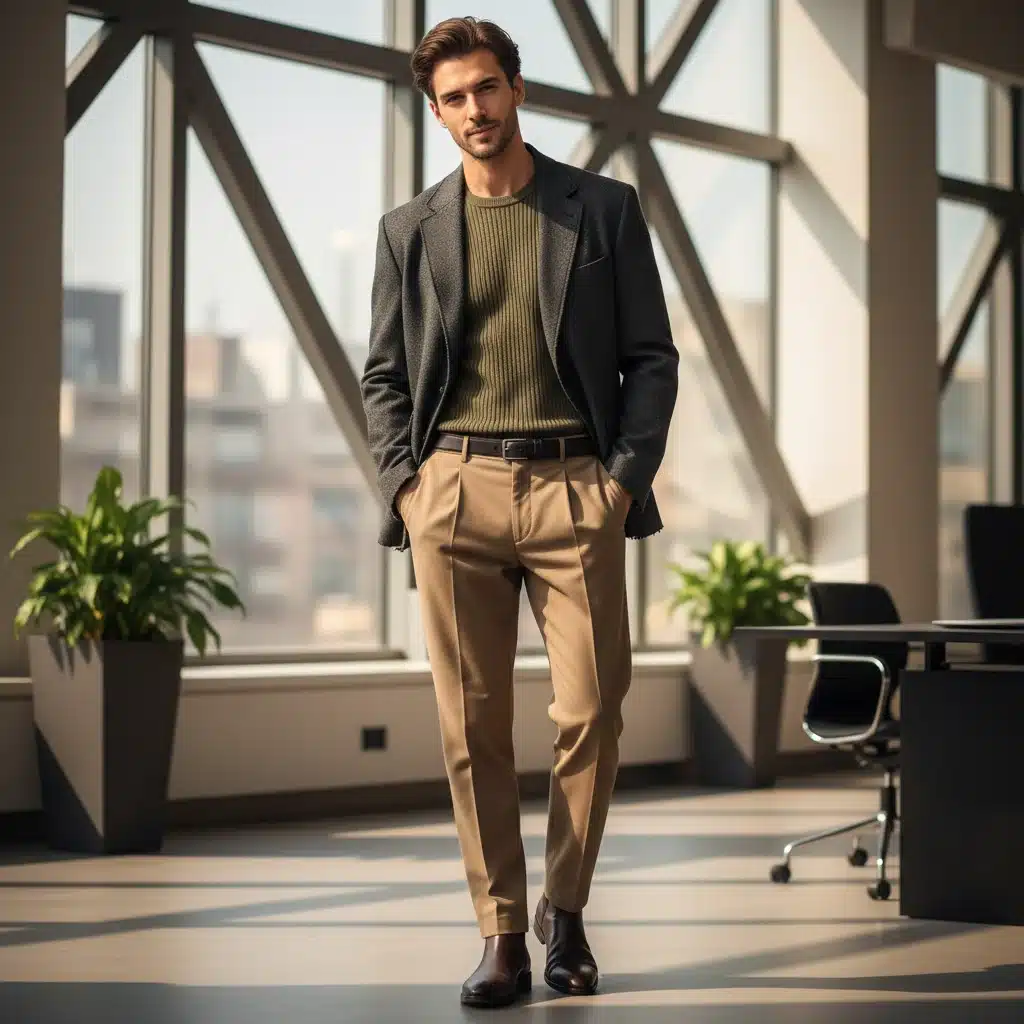
Menswear Evolution 2026: Adapting Classic Styles for Modern Professional Settings
The landscape of professional attire is in a constant state of flux, and as we look ahead to the menswear evolution 2026, it’s clear that the lines between formal and casual continue to blur. The modern professional no longer adheres to rigid dress codes but instead seeks a harmonious blend of comfort, style, and personal expression. This comprehensive guide will delve into the anticipated trends, sustainable practices, and timeless principles that will define menswear in professional settings by 2026, helping you navigate this exciting transformation.
Understanding the menswear evolution 2026 means recognizing that the core tenets of classic style remain, but their application is undergoing a significant reinterpretation. We are moving towards a more fluid, adaptable wardrobe that prioritizes versatility and individual flair without sacrificing an ounce of professionalism. The emphasis is on quality over quantity, sustainability over fast fashion, and comfort without compromise.
The Shifting Paradigm: From Stiff Suits to Flexible Professionalism
For decades, the standard professional uniform for men was the suit and tie. While this classic ensemble will never fully disappear, its dominance has waned considerably. The menswear evolution 2026 points towards a more relaxed yet refined approach. Companies are increasingly embracing hybrid work models and fostering more inclusive and dynamic office environments, which naturally translates into a more relaxed dress code. However, ‘relaxed’ does not equate to ‘sloppy’. Instead, it implies a thoughtful curation of pieces that can transition seamlessly from a client meeting to a casual team lunch, and even to after-work social events.
The key to this shift lies in the understanding of ‘smart casual’ and ‘business casual’ as not merely less formal, but rather as distinct categories of professional dressing that demand their own attention to detail and quality. By 2026, these categories will be even more nuanced, requiring a keen eye for fabric, fit, and overall presentation. The goal is to project competence and confidence, but with an air of approachability and modern sensibility. This adaptability is at the heart of the menswear evolution 2026.
Deconstructing the Classic: Blazers and Trousers Reimagined
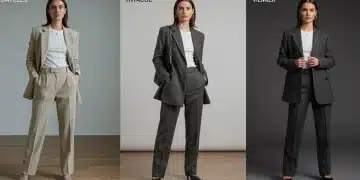
The traditional suit jacket is evolving into the deconstructed blazer. Lighter, unlined, and often made from more breathable fabrics like linen blends, cotton, or even performance wools, these blazers offer the structure of a suit jacket without its rigidity. They are perfect for layering over a fine-gauge knit, a crisp Oxford shirt, or even a sophisticated polo. The versatility of the deconstructed blazer makes it a cornerstone of the menswear evolution 2026, allowing for effortless transitions between various professional scenarios.
Trousers, too, are undergoing a transformation. While classic wool trousers remain a staple, we’re seeing a rise in comfortable yet polished alternatives. Chinos made from premium cotton with a hint of stretch, tailored five-pocket trousers, and even sophisticated drawstring pants in luxurious fabrics are becoming acceptable in many professional settings. The fit is crucial: still tailored and refined, but with a greater emphasis on comfort and freedom of movement. The days of overly baggy or excessively tight trousers are fading, replaced by a silhouette that is both flattering and functional. This attention to detail in fit and fabric is paramount in the menswear evolution 2026.
The Rise of Sustainable and Ethical Menswear
One of the most significant forces driving the menswear evolution 2026 is the growing awareness and demand for sustainability. Consumers are increasingly scrutinizing where their clothes come from, how they are made, and their environmental impact. This extends to professional wear, where durability, ethical sourcing, and eco-friendly materials are becoming key considerations.
Brands are responding by investing in sustainable practices, from using organic and recycled fabrics to implementing transparent supply chains and promoting circular fashion models. For the modern professional, this means investing in fewer, higher-quality pieces that are built to last and have a minimal environmental footprint. This shift isn’t just about ethics; it’s also about a return to appreciating craftsmanship and enduring style over fleeting trends. The conscientious consumer will be a major driver of the menswear evolution 2026.
Key Sustainable Fabrics and Practices for 2026
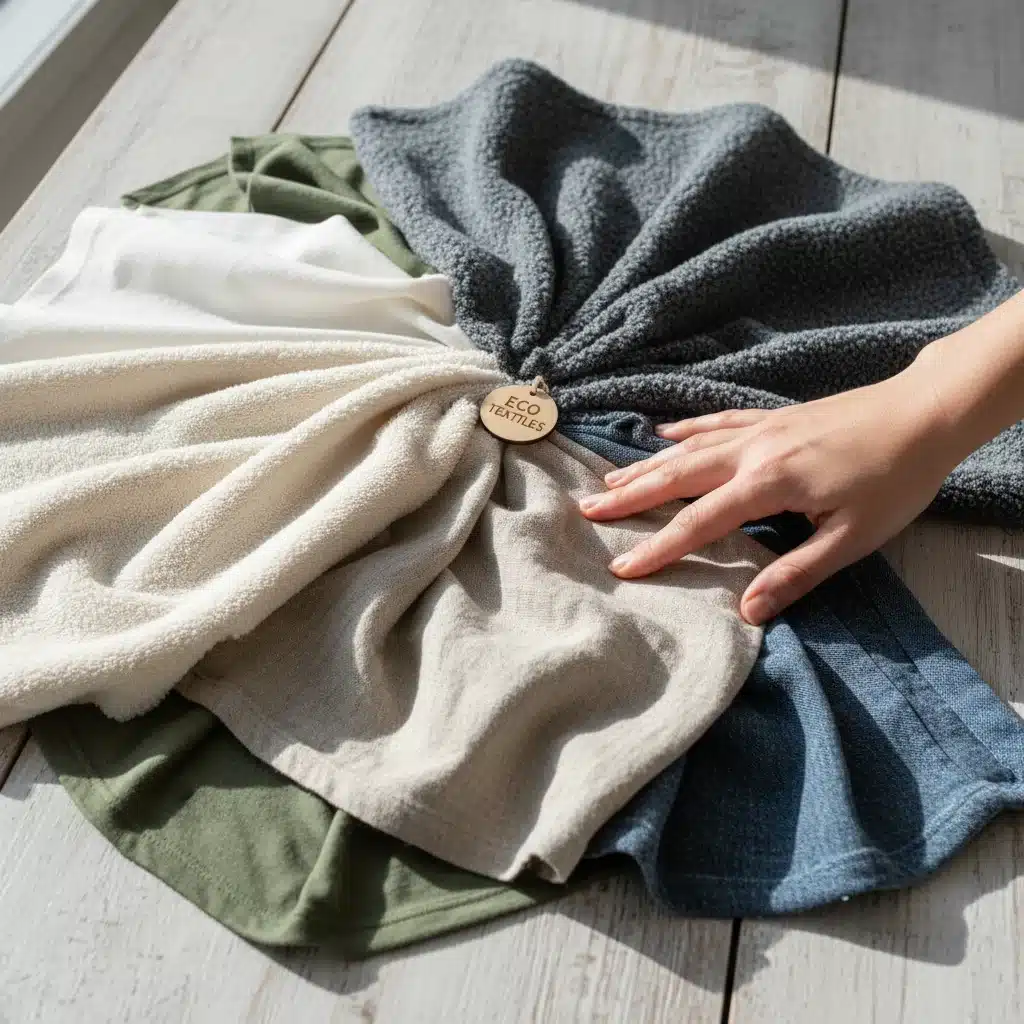
- Organic Cotton: Grown without harmful pesticides, offering a softer feel and reduced environmental impact.
- Recycled Polyester: Made from post-consumer plastic bottles, reducing waste and reliance on virgin plastics.
- Linen: A natural fiber known for its durability, breathability, and low water consumption during production.
- Tencel/Lyocell: A sustainable fiber derived from wood pulp, known for its softness, drape, and moisture-wicking properties.
- Responsible Wool: Sourced from farms that adhere to strict animal welfare and environmental standards.
- Circular Economy Models: Brands offering repair services, take-back programs, and resale platforms to extend garment lifespans.
Embracing these sustainable choices is not just good for the planet; it also aligns with a sophisticated aesthetic. Sustainable fabrics often have a richer texture and a more natural drape, adding depth and character to professional outfits. This commitment to conscious consumption is a defining characteristic of the menswear evolution 2026.
The Role of Comfort and Performance Fabrics
The pandemic significantly accelerated the demand for comfort in all aspects of life, including professional attire. The menswear evolution 2026 will see an even greater integration of performance fabrics into everyday professional wardrobes. These are not just for activewear; they are engineered to provide stretch, breathability, wrinkle resistance, and moisture-wicking properties, making long workdays more comfortable and travel more manageable.
Imagine a blazer that moves with you, a shirt that stays crisp throughout the day, or trousers that resist creasing even after hours of sitting. These innovations are becoming standard, allowing professionals to maintain a polished appearance without feeling constricted. Brands are cleverly incorporating these technologies into classic silhouettes, ensuring that style and function go hand-in-hand. This fusion of comfort and performance is central to the menswear evolution 2026.
Key Performance Features to Look For:
- Stretch: Fabrics blended with elastane or spandex for enhanced mobility.
- Wrinkle Resistance: Materials that naturally resist creasing, ideal for busy schedules and travel.
- Breathability & Moisture-Wicking: Fabrics that regulate body temperature and draw moisture away from the skin.
- Water Repellency: Treatments that offer protection against light rain or spills.
- Temperature Regulation: Advanced fabrics designed to keep you cool in heat and warm in cold.
These features are not just about convenience; they contribute to an overall sense of well-being and confidence, allowing professionals to focus on their work rather than their discomfort. The integration of such functionalities is a testament to the forward-thinking nature of the menswear evolution 2026.
Color Palettes and Patterns: Subtle Sophistication
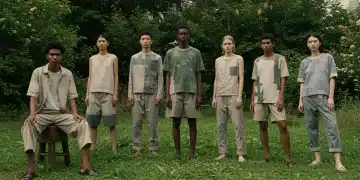
While bold statements will always have their place, the menswear evolution 2026 for professional settings leans towards subtle sophistication in color and pattern. Neutral tones form the foundation of a versatile professional wardrobe: charcoal, navy, various shades of grey, beige, and olive green. These colors are easy to mix and match, creating a multitude of outfits from a limited number of pieces.
However, ‘subtle’ does not mean ‘boring’. We’ll see richer, deeper hues emerge as accents – think deep burgundy, forest green, or a refined rust – used in knitwear, accessories, or even a statement blazer. Patterns will be understated: fine pinstripes, subtle checks (like glen plaid or Prince of Wales check), and micro-patterns that add texture and interest without being overtly distracting. The goal is to add depth and personality without overwhelming the professional aesthetic. This refined approach to color and pattern is a hallmark of the menswear evolution 2026.
Building a Versatile Professional Wardrobe for 2026
The cornerstone of adapting to the menswear evolution 2026 is building a versatile wardrobe. This means investing in high-quality, interchangeable pieces that can be dressed up or down depending on the occasion. Think of it as a capsule wardrobe specifically tailored for professional life.
- The Foundation: Start with well-fitting tailored trousers in navy, charcoal, and a neutral like beige or olive.
- Versatile Tops: Acquire a selection of crisp shirts (Oxford cloth, poplin), fine-gauge knit sweaters (merino wool, cashmere blends), and high-quality polo shirts.
- Essential Layering: A deconstructed blazer in a neutral color (navy, grey) is indispensable. Consider a second one in a muted pattern or a richer hue.
- Outerwear: A classic trench coat, a refined mac coat, or a minimalist peacoat will elevate any professional look.
- Footwear: Invest in comfortable yet stylish shoes – classic leather loafers, polished sneakers in premium leather, and well-maintained dress shoes.
- Accessories: Quality leather belts, a sophisticated watch, and subtle pocket squares can add a touch of personal flair.
The beauty of this approach lies in its flexibility. A pair of tailored trousers can be worn with a blazer and dress shirt for a formal meeting, or with a polo shirt and refined sneakers for a casual office day. This adaptability is the core principle guiding the menswear evolution 2026.
The Importance of Fit and Tailoring
No matter how expensive or trendy your clothes are, if they don’t fit well, they won’t look good. In the menswear evolution 2026, fit remains paramount. A well-tailored garment instantly elevates your appearance, conveying attention to detail and professionalism. This doesn’t mean everything needs to be skin-tight; rather, it means clothes should skim your body comfortably, without excess fabric or unsightly pulling.
Investing in a good tailor is one of the best decisions you can make for your professional wardrobe. Simple alterations like hemming trousers, adjusting sleeve length on a blazer, or taking in the waist of a shirt can make a world of difference. The goal is a silhouette that is clean, sharp, and proportionate to your body. This timeless principle will continue to define good style through the menswear evolution 2026 and beyond.

Personal Expression within Professional Boundaries
The menswear evolution 2026 is not just about rules; it’s also about empowering individuals to express their personal style within professional boundaries. This can be achieved through subtle details and thoughtful choices. Perhaps it’s a unique watch, a distinctive pair of glasses, a subtly patterned tie, or even a pair of meticulously chosen socks. These small touches allow you to inject personality into your professional persona without compromising your authority or credibility.
Understanding your personal brand and how your clothing contributes to it is crucial. Your style should reflect who you are and the message you want to convey. The modern professional is authentic, and their wardrobe should echo that authenticity. This nuanced approach to self-expression is a core component of the menswear evolution 2026.
Key Elements for Personalizing Your Professional Look:
- Statement Accessories: A unique watch, a sophisticated pen, or a high-quality leather briefcasse.
- Textural Play: Mixing different fabrics like a wool blazer with a silk-blend knit or cotton trousers.
- Subtle Patterns: Incorporating micro-checks, houndstooth, or subtle stripes.
- Footwear Choices: Opting for loafers, elegant boots, or premium minimalist sneakers instead of traditional oxfords.
- Color Accents: Using richer, non-neutral colors in knitwear or scarves.
The freedom to personalize your professional attire is a liberating aspect of the menswear evolution 2026, allowing for greater comfort and confidence in the workplace.
Technology’s Influence on Menswear
Technology continues to shape every industry, and fashion is no exception. Beyond performance fabrics, the menswear evolution 2026 will see technology influencing design, production, and even how we shop for clothes. 3D printing, AI-driven personalization, and virtual try-on experiences are becoming more commonplace, offering tailored solutions and reducing waste.
Smart textiles, with embedded sensors or self-cleaning properties, are also on the horizon, promising even greater convenience and functionality. While these might not be mainstream in professional wear by 2026, their foundational influence on fabric innovation and consumer expectations will be palpable. Staying abreast of these technological advancements will be part of understanding the broader context of the menswear evolution 2026.
The Future is Flexible: Embracing Hybrid Work Styles
The hybrid work model, a blend of in-office and remote work, is here to stay. This paradigm shift directly impacts the menswear evolution 2026, necessitating a wardrobe that is adaptable to various work environments. The professional of 2026 needs clothes that look appropriate for a video conference call, a day in the office, and a casual work-from-home setup, all without requiring a complete wardrobe overhaul each time.
This means prioritizing pieces that are comfortable enough for home, yet polished enough for the office. Versatile knitwear, elevated casual shirts, and comfortable tailored separates will form the backbone of this hybrid professional wardrobe. The focus is on ease of wear, minimal maintenance, and maximum impact. This flexibility is not just a trend; it’s a fundamental aspect of the menswear evolution 2026.
Conclusion: Navigating the Menswear Evolution 2026 with Style and Purpose
The menswear evolution 2026 is an exciting period of change, offering men greater freedom and flexibility in their professional attire. It’s a movement towards intentional dressing, where classic styles are adapted with a modern sensibility, sustainability is prioritized, and comfort is non-negotiable. By focusing on quality, fit, and versatility, and by embracing sustainable and performance-driven innovations, professionals can build a wardrobe that not only looks impeccable but also aligns with their values and lifestyle.
The key takeaway is to approach your professional style thoughtfully. Invest in pieces that stand the test of time, both in terms of quality and style. Understand the nuances of smart casual and business casual. And most importantly, allow your wardrobe to be an extension of your personal brand – confident, adaptable, and forward-thinking. The menswear evolution 2026 is not about chasing fleeting trends, but about cultivating a timeless yet contemporary professional image that serves you well in any setting.