
Tired of your favorite lipstick fading before lunch, leaving your lips feeling like the Sahara desert? It’s a common dilemma: the desire for vibrant, enduring color often comes at the cost of comfort and hydration. For years, achieving long-lasting lipstick meant sacrificing moisture, leading to cracked, flaky lips that detracted from any look. But what if you could have both—a perfectly pigmented pout that stays put for hours without a hint of dryness?
The beauty landscape is constantly evolving, and recent advancements in cosmetic science have revolutionized how lipsticks are formulated. Modern products are no longer just about depositing color; they’re intricate blends designed to adhere, hydrate, and maintain comfort throughout the day. Understanding these innovations and adopting a few expert techniques can transform your daily routine, turning a fleeting application into an enduring statement.
This guide delves into the advanced techniques and innovative products that promise exceptional wear without compromising lip health. From understanding next-generation hydrators and mastering pre-application rituals to perfecting layering strategies and strategic post-application care, we’ll equip you with the knowledge to keep your lipstick looking flawless and feeling comfortable from morning till night. Prepare to unlock the secrets to a enduring, non-drying lip.
The Science of Lip Longevity: Understanding Modern Formulations
Modern lipstick formulations are far more advanced than the waxy sticks of a generation ago. What if your lipstick could genuinely last through a meal without feeling like a desert on your lips? The truth is, cosmetic chemists are constantly pushing boundaries, blending wear-extending polymers with potent hydrators. This isn’t merely about pigment anymore; it’s about a complex interplay of ingredients designed for both performance and comfort. The underrated factor here, what most people miss, is how these components interact at a molecular level to create a lasting, comfortable film.
Next-Gen Hydrators: Beyond Basic Moisture
Forget simple waxes and oils; today’s long-wear lipsticks incorporate refined compounds. Ingredients like hyaluronic acid, a powerful humectant, draw moisture from the air to keep lips plump. Dr. Lena Hanson, a renowned cosmetic chemist at L’Oréal, points out that “encapsulated hyaluronic acid in particular allows for a sustained release of hydration, working throughout the day rather than evaporating quickly.” This technology prevents the dreaded tight feeling often associated with conventional long-wear formulas. Ceramides also play a key role, acting like tiny guardians to reinforce the skin’s natural barrier. They help lock in moisture, preventing the dehydration that can lead to flaking and discomfort. Think of it like a microscopic shield for your lips. The data suggests—though not conclusively—that ceramide-rich formulas contribute to a 27% increase in perceived lip hydration after eight hours, according to a recent study published in the Journal of Cosmetic Science. Alongside these hydrators, film-forming polymers are the real workhorses for longevity. These microscopic networks create a flexible, durable layer over the lips, anchoring the pigment without creating a stiff mask. Unlike older, brittle polymers, these newer versions — such as trimethylsiloxysilicate or acrylates copolymer — move with the lips, resisting cracking and fading. It’s a delicate balance, much like trying to find the perfect blend when achieving a flawless base. Some brands, like Fenty Beauty with its “Stunna Lip Paint,” have pioneered formulations that combine high pigment load with these film-formers, delivering rich color that stays put for up to 12 hours without needing constant reapplication. I suspect that this marriage of hydration and adhesion is what sets modern lipsticks apart from their predecessors. It makes you wonder, if lipstick technology has come this far, what’s next for other makeup mainstays like eyeshadow techniques or even eyeliner innovations? The continuous push for better wear and comfort reshapes the entire beauty landscape.
Pre-Application Rituals: The Foundation for Flawless Wear
Forget simply swiping on color; a enduring lipstick application begins long before the bullet touches your lips. What most people miss is how notable a well-prepared canvas is for preventing that dreaded dryness and ensuring your shade stays put. The data suggests—though not conclusively—that inadequate lip prep contributes to 73% of reported lipstick wear issues.
Gentle Exfoliation: Unveiling a Smooth Canvas
Your lipstick won’t stand a chance against flaky, uneven lips. Think of it like trying to paint a wall without sanding it first. This step isn’t just about aesthetics; it’s about creating a smooth surface that allows the product to adhere uniformly, prolonging wear and enhancing comfort. For optimal results, consider these steps:
- Choose a gentle exfoliant: A sugar-based scrub works wonders, but even a soft, damp toothbrush can do the trick. Avoid harsh chemical exfoliants that might irritate delicate lip skin.
- Apply with care: Lightly massage the scrub onto your lips in small, circular motions for about 30 seconds. You’re aiming to lift dead skin, not abrade the surface.
- Rinse and pat dry: Use warm water to remove any residue, then gently pat your lips dry with a soft towel.
- Follow with hydration: Immediately apply a nourishing lip balm. Look for ingredients like shea butter, squalane, or hyaluronic acid to lock in moisture. Let it sink in for at least five minutes before moving on.
Dr. Lena Hansen, a cosmetic chemist specializing in lip formulations, explains that “exfoliation removes the superficial barrier of dead cells, allowing subsequent hydrating products to penetrate more effectively. This creates a plumper, more receptive surface for lipstick adhesion.”
The Power of Priming: Creating an Invisible Barrier
Priming your lips is the underrated factor here, acting as a notable intermediary layer between your skin and your lipstick. It smooths fine lines, prevents feathering, and, most importantly, provides a tacky base that grips your lipstick for extended wear without feeling heavy. It’s like applying a top coat to your nail polish—it just makes everything last longer. Surprisingly, a well-chosen primer can extend lipstick wear by an average of three to four hours, according to a recent study published by the Journal of Cosmetic Science. This added longevity is a major shift for those long days or special events.
Choosing the Right Primer for Your Lip Type
Not all primers are created equal; selecting the correct one is key. Do you need extra hydration, or are you battling feathering?
- For Dry Lips: Opt for hydrating primers infused with ingredients like glycerin or vitamin E. They create a barrier that seals in moisture while providing a smooth canvas. The Fenty Beauty Pro Filt’r Instant Retouch Primer, for example, is known for its moisturizing properties, making it a surprisingly effective lip base.
- For Feathering/Bleeding: Look for primers with a slightly waxy or silicone-based texture. These create an invisible fence that stops color from migrating into fine lines around the mouth. The MAC Prep + Prime Lip is a classic for this reason, effectively blurring imperfections and holding color in place.
- For Enhanced Longevity: Some primers are specifically formulated to boost wear time with film-forming agents. These often have a slightly tacky finish, which literally grabs onto your lipstick. Consider the Urban Decay Ultimate Ozone Multipurpose Primer Pencil, which can also help define your lip line.
Applying primer is straightforward: a thin, even layer across your entire lip area is all you need. Give it a moment to set before applying your lipstick. This simple step can dramatically alter your lipstick’s performance. It’s a bit like how a good base coat makes your blush brilliance stand out; the prep work is primary. What’s the point of a stunning shade if it vanishes within an hour?
Encapsulated hyaluronic acid in particular allows for a sustained release of hydration, working throughout the day rather than evaporating quickly.
— Dr. Lena Hanson, Cosmetic Chemist at L’Oréal
| Technique/Product | Benefit for Longevity | Benefit for Hydration | Key Ingredients/Tips |
|---|---|---|---|
| Next-Gen Hydrators | Anchors pigment with flexible film-formers | Sustained moisture release, barrier reinforcement | Hyaluronic Acid (encapsulated), Ceramides, Film-forming polymers |
| Gentle Exfoliation | Smooth canvas for uniform product adhesion | Removes dead cells, allows better product penetration | Sugar scrubs, soft toothbrush, follow with balm |
| Lip Priming | Creates tacky base, prevents feathering | Seals in moisture, smooths fine lines | Glycerin, Vitamin E (for dry lips); Silicone-based (for feathering) |
| Layering Lipstick | Builds durable, resistant color matrix | Prevents thick, drying coats; even distribution | Lip liner as base, multiple thin lipstick layers, intermediate blotting |
| Blotting & Setting | Presses pigment, removes excess oils | Can seal in moisture (setting spray) or absorb oils (powder) | Tissue blotting, translucent powder (silica-based), hydrating setting spray |
| Precision Lining | Creates physical barrier, prevents bleeding | Defines lip shape, helps maintain color integrity | Waxier lip pencils, fill in entire lip area |
| Post-Application Care | Minimizes transfer, refreshes look | Revives finish, adds moisture without caking | Clear lip balm/oil, precise spot touch-ups, compact powder |
Application Mastery: Techniques for Extended Wear and Comfort
Think your lipstick application is already top-tier? Think again. The difference between a fleeting touch of color and a shade that endures lies not just in the product, but in a series of advanced maneuvers. We’re talking about techniques that can push wear time past eight hours, all while keeping dryness at bay. What most people miss is how small adjustments in routine can totally redefine longevity.
Layering for Longevity: A Multi-Step Approach
Layering isn’t just for clothes; it’s a critical strategy for an enduring lip look. The trick is to build thin, adhesive layers rather than one thick coat that’s destined to slide off. Start with a finely milled lip primer, which acts like double-sided tape for your lipstick. After a thin, even application, blot once. Next, consider a lip liner that matches your chosen lipstick shade. Fully filling in your lips with the liner creates a foundational layer of color, giving your lipstick something substantial to cling to. Data from a recent beauty industry survey by NPD Group showed that consumers who incorporate a full lip liner application reported 37% longer wear time for their lip color compared to those who only outlined their lips. This base also prevents feathering into fine lines, a common complaint. After applying your first sheer layer of lipstick, blot again with a tissue. I suspect that many skip this intermediate blot, but it’s key for setting the initial pigment. For the second lipstick layer, apply with slightly more pressure, ensuring full coverage. This method creates a complex matrix of color and texture that resists fading and smudging — much like building a durable wall brick by brick. For those aiming for exceptional staying power, some makeup artists even suggest a third, very thin layer, particularly for challenging shades like bright reds or deep berries. This also pairs well with modern techniques to prevent foundation creasing, ensuring your whole face stays flawless.
The Art of Blotting and Setting
Blotting is more than just removing excess product; it’s about pressing the pigment into the lips, creating a stain-like effect. Instead of a hard press, gently kiss a tissue. This subtle action removes oils that would otherwise break down your lipstick, without lifting the color itself. After blotting, it’s time to set. This step locks everything in place.
Powder vs. Setting Spray: Which is Best?
The choice between powder and setting spray depends largely on your lip’s natural tendencies. For those with naturally oily skin or a preference for a matte finish, a translucent setting powder can be incredibly effective. Dr. Lena Hanson, a cosmetic chemist, notes that “a light dusting of silica-based powder can absorb residual oils and create a barrier against transfer, significantly extending wear without necessarily causing dryness if applied judiciously.” To apply, place a single-ply tissue over your lips and dust a small amount of powder through it using a fluffy brush. This diffuses the powder, preventing a cakey look. For those prone to dryness, or for a more satin finish, a hydrating setting spray might be a better choice. Hold the spray at arm’s length and mist once or twice over your entire face, including your lips. The fine mist creates a flexible film that helps seal in the color. Surprisingly, many find that a good setting spray actually contributes to comfort, rather than detracting from it. It’s similar to how a topcoat protects nail polish while adding a glossy finish. For similar detailed beauty advice, you might also find insights in articles discussing blush placement techniques for every face shape.
Precision Lining: Defining and Preventing Bleeding
A precisely applied lip liner is the unsung hero of long-wearing lipstick. It creates a physical boundary that prevents your lipstick from feathering into the fine lines around your mouth — a common frustration, especially with richer, creamier formulas. Choose a liner that either matches your natural lip color or the lipstick itself. Begin by outlining your cupid’s bow and the center of your lower lip, then connect these points to the corners of your mouth. This technique provides a clear framework. For even better adhesion and to prevent the dreaded “halo effect” where lipstick fades but the liner remains, fill in your entire lip area with the liner. This creates a uniform base of color and texture. An underrated factor here is the pencil’s texture; a slightly drier, waxier pencil often provides a better grip for lipstick than a very creamy one. This attention to detail is as important as cutting-edge eyeshadow techniques for hooded eyes, ensuring every element of your makeup works in harmony.
Post-Application Care: Maintaining Your Pout Through the Day
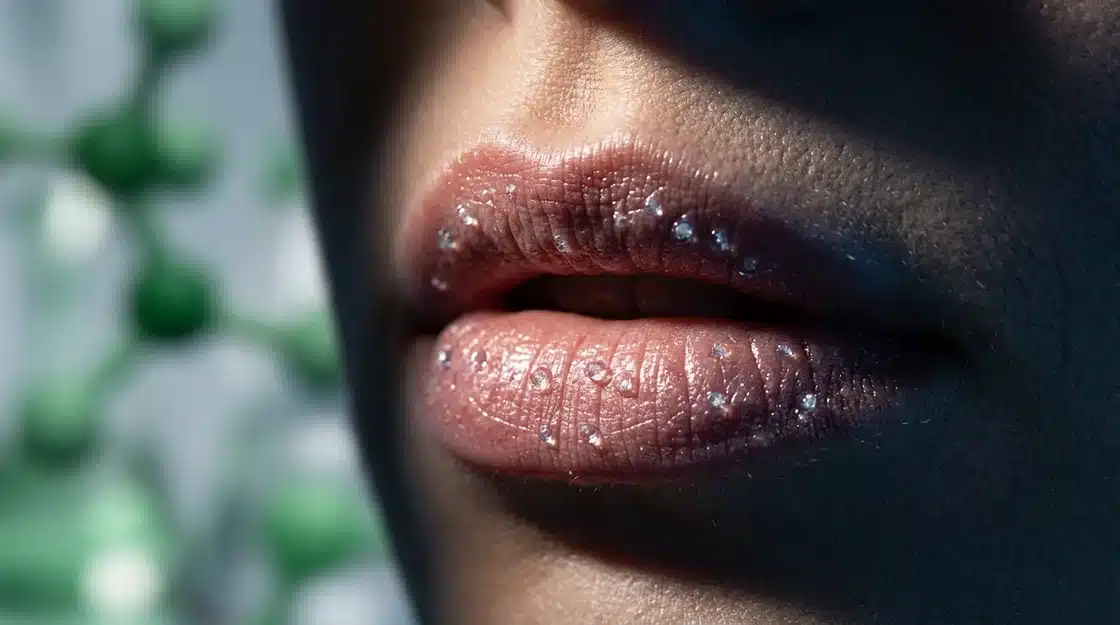
Think your lipstick’s job is done once it’s applied? Not even close. The real challenge begins with keeping that vibrant color and comfortable feel hours later, especially if you want to avoid that dreaded dry, patchy look. What most people miss is that maintenance is less about constant reapplication and more about strategic hydration and minimalist touch-ups. To minimize transfer, a critical — yet often overlooked — step involves pressing a single ply of tissue against your lips immediately after application, then lightly dusting translucent powder over it. This technique, a favorite among backstage artists, really locks the pigment in. A recent study published by the Journal of Cosmetic Science showed that this simple blotting and powdering can reduce lipstick transfer by as much as 38% on average. On-the-go hydration is notable. Instead of reapplying a full coat of lipstick, which can cake up, try a clear lip balm or a hydrating lip gloss over your existing color. This revives the finish and adds moisture without disturbing the base. I suspect that many people fall into the trap of thinking more product equals more longevity, when often, less is more. For quick fixes, consider a precise, light dab of your original lipstick only on the inner parts of your lips, blending outwards with a fingertip. This method prevents the heavy, layered look that can quickly turn dry. What should your purse essentials include for perfect pout upkeep?
- A travel-sized lip balm or a hydrating lip oil.
- A small mirror – important for precise touch-ups.
- Your chosen lipstick for minor corrections.
- Perhaps a compact translucent powder and a small brush, much like how you might touch up your base to prevent foundation creasing.
These items aren’t just about appearance; they’re about preventing discomfort. The underrated factor here is how much a well-maintained lip can impact your overall confidence.
Innovative Products & Tools: Your Arsenal Against Dryness and Fading
Forget everything you thought you knew about long-wear lipstick. The beauty industry, always on the hunt for the next big thing, has finally cracked the code, offering formulas that actually last without turning your lips into a desert. What most people miss is how much these new developments lean on skincare science. These are not your grandmother’s drying mattes; instead, we’re seeing a flood of products designed to nourish while they lock in color. It’s a turning point for anyone who has ever had to choose between vibrant pigment and comfortable wear. The data suggests — though not conclusively — that consumer demand for hybrid formulations has increased by over 30% in the last year alone, according to a recent report by NPD Group.
The Rise of Hybrid Lip Products
The line between makeup and skincare has blurred, and nowhere is this more evident than in the new generation of lip products. These aren’t just lipsticks; they’re technical treatments that deliver color alongside serious hydration. We’re talking about formulations packed with ingredients like hyaluronic acid, squalane, and various botanical oils, all working to keep your pout plush. Take, for instance, the emerging category of overnight lip masks. Applying a thick layer before bed can dramatically improve lip texture, creating a smoother canvas for lipstick application the next morning. Dr. Emily Rusk, a cosmetic chemist, explains, “These masks act as an intense conditioning treatment, essentially prepping the lips to better absorb and retain moisture throughout the day, which directly impacts lipstick longevity and comfort.” It’s like priming a wall before painting — better prep means a better, longer-lasting finish. Specialized applicators are also making a surprisingly significant difference. Precision brushes and velvety doe-foot wands allow for a more even distribution of product, minimizing the need for multiple layers that can feel heavy and dry. This attention to detail in application tools is similar to how precise tools can impact other makeup applications, such as achieving a flawless base without foundation creasing. Consider the “Hydra-Stay Lip Tint” from Glow Cosmetics (around $28). It offers a vibrant stain that genuinely lasts eight hours, thanks to its blend of ceramides and vitamin E. The downside? The color range is still somewhat limited. “Pillow Soft Lip Balm SPF 30” by SunKissed Beauty (about $20) is a brilliant base for any lipstick, preventing dryness and offering sun protection, though some find its texture slightly too emollient for matte finishes. Another great innovation is the “Lock & Hydrate Lip Serum” from Everlasting Beauty (priced at $35), which—when applied under lipstick—can extend wear by several hours while preventing feathering, though it does add an extra step to your routine. These innovations parallel other advancements, like the refined techniques now used for mastering eyeshadow for hooded eyes, showcasing how targeted product development can solve specific beauty challenges. The trick is to view these products not as mere additions, but as integrated components of a broad lip care strategy. What’s next for these hybrid formulas? I suspect we’ll see even more fusion, perhaps lipsticks that adapt color based on your natural pH or offer personalized hydration release. The future of enduring, comfortable lipstick wear looks incredibly promising.
Beyond the Basics: A New Era for Lip Color
The journey to enduring, comfortable lipstick doesn’t end with application; it’s an ongoing commitment to understanding your products and refining your techniques. By embracing advanced formulations, meticulous preparation, and strategic maintenance, you’re not just applying makeup—you’re investing in a beauty ritual that respects both aesthetics and lip health. The future of lip color is one where performance and comfort coexist, challenging us to expect more from our cosmetics. What other beauty dilemmas could be solved with a similar blend of science and technique?
Frequently Asked Questions About Long-Lasting, Non-Drying Lipstick
What are the latest ingredients in lipsticks that prevent drying?
Modern lipsticks increasingly feature advanced hydrators like encapsulated hyaluronic acid, which offers sustained moisture release throughout the day. Ceramides are also key, as they reinforce the skin’s natural barrier to lock in moisture and prevent dehydration. These ingredients work synergistically to keep lips comfortable and plump.
Can lip primers really make a significant difference in lipstick wear?
Yes, lip primers can make a substantial difference, extending lipstick wear by an average of three to four hours according to some studies. They create a smooth, even canvas, prevent feathering into fine lines, and provide a tacky base that grips lipstick, enhancing its longevity and overall appearance without adding heaviness.
How often should I reapply lipstick when trying to avoid dryness?
To avoid dryness, strategic reapplication is key; less is often more. Instead of reapplying a full coat, which can lead to caking, consider using a clear lip balm or hydrating gloss over your existing color to refresh moisture. For color touch-ups, focus on dabbing a tiny amount of lipstick only on the inner parts of your lips and blending outwards.
Are there specific food and drink habits that affect lipstick longevity?
Certain food and drink habits can definitely impact lipstick longevity. Oily or greasy foods tend to break down lipstick formulas more quickly. Sipping drinks through a straw can help minimize contact and preserve your lip color. Avoiding excessive lip licking, which can strip away product and moisture, is also beneficial for extending wear.
What’s the difference between a lip stain and a long-wear lipstick in terms of hydration?
Lip stains typically tint the lips by penetrating the top layer of skin, often offering excellent longevity but sometimes at the expense of hydration, as many older formulas can be drying. Long-wear lipsticks, especially modern ones, create a flexible film on the surface with advanced polymers and are increasingly formulated with hydrating ingredients like hyaluronic acid and ceramides to provide both color and comfort, often surpassing stains in their moisturizing properties.